Zambia’s annual inflation slowed to 6.1% in September from 6.2% in August, giving policymakers a little more room as food prices, the main driver of household inflation, cooled further.
Zambia inflation slows to 6.1% in September
The drop is modest, but it matters because food makes up a large share of consumer spending and remains the clearest channel through which price pressures reach growth, wages and living standards. ZAMSTATS said annual food inflation eased to 5.8% from 6.0%, suggesting the headline slowdown was driven less by broad-based disinflation than by softer movements in staples.
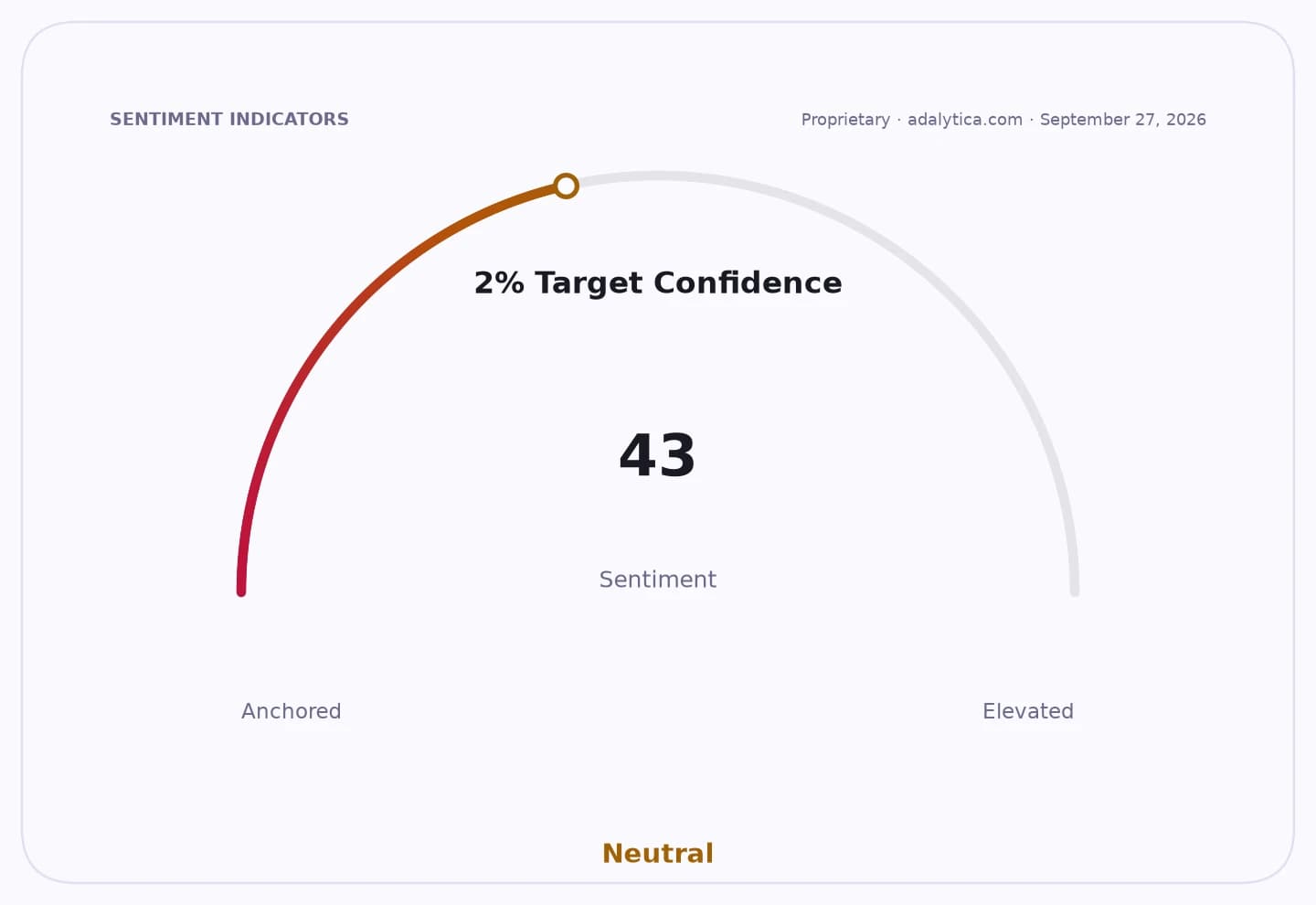
Sentiment IndicatorsⓘProprietary · adalytica.com · September 30, 2026
This is a snapshot — live sentiment, awareness and momentum for 130+ markets update continuously in the dashboard.Open AlphaPulse
For investors, the reading is a signal that Zambia’s inflation path is still moving in the right direction, though only gradually. A one-tenth-point decline does not by itself transform the macro picture, but it can help anchor expectations around policy rates, bond yields and the trajectory of real returns in local markets. If price gains keep easing, the central bank would have more scope to avoid tightening financial conditions further, which would be supportive for credit, equities and government debt.
The latest print also fits a broader pattern seen across several economies, where food and imported goods remain the swing factors in inflation rather than demand-driven overheating. That makes Zambia’s inflation profile especially sensitive to harvest conditions, transport costs and currency stability. Any renewed pressure in those areas could quickly reverse the recent improvement.
The key question for markets is whether September marks the start of a steadier disinflation trend or just a pause in a still-fragile inflation backdrop. For now, the data points to gradual relief for households and a marginally better policy environment, but not yet to an outright victory over price pressures.
| Entity | Gains | Losses |
|---|---|---|
| Zambian households | ▲Slightly lower food-cost pressure | ▼Still-high cost of living |
| Bank of Zambia | ▲More room to keep policy steady | ▼Limited scope for relief |
| Local bond investors | ▲Better inflation outlook | ▼Slow disinflation pace |
| Retailers and wage earners | ▲Some easing in purchasing strain | ▼Ongoing margin and income pressure |