Malawi’s central bank is warning that the inflation picture remains vulnerable, with global supply shocks and food-and-fuel costs threatening to keep price pressures elevated and complicate the path for interest rates and growth.
Malawi Inflation Risks Tighten Rate Outlook

That matters because in an import-dependent economy like Malawi, higher energy and freight costs can quickly feed into transport, food and manufactured goods prices, squeezing household purchasing power and corporate margins. For the Reserve Bank of Malawi, a stickier inflation outlook would limit room to ease policy even if growth remains fragile.
Sentiment IndicatorsⓘProprietary · adalytica.com · July 18, 2026
This is a snapshot — live sentiment, awareness and momentum for 130+ markets update continuously in the dashboard.Open AlphaPulse
The broader backdrop is not helping. Escalating tensions in the Middle East have revived concerns about disruptions around the Hormuz Strait, a key chokepoint for global oil flows, while gold prices slipped as markets weighed inflation risk against the Federal Reserve’s rate outlook. Even with June U.S. inflation moderating, investors are still treating geopolitics as a live inflation shock, not a finished one.
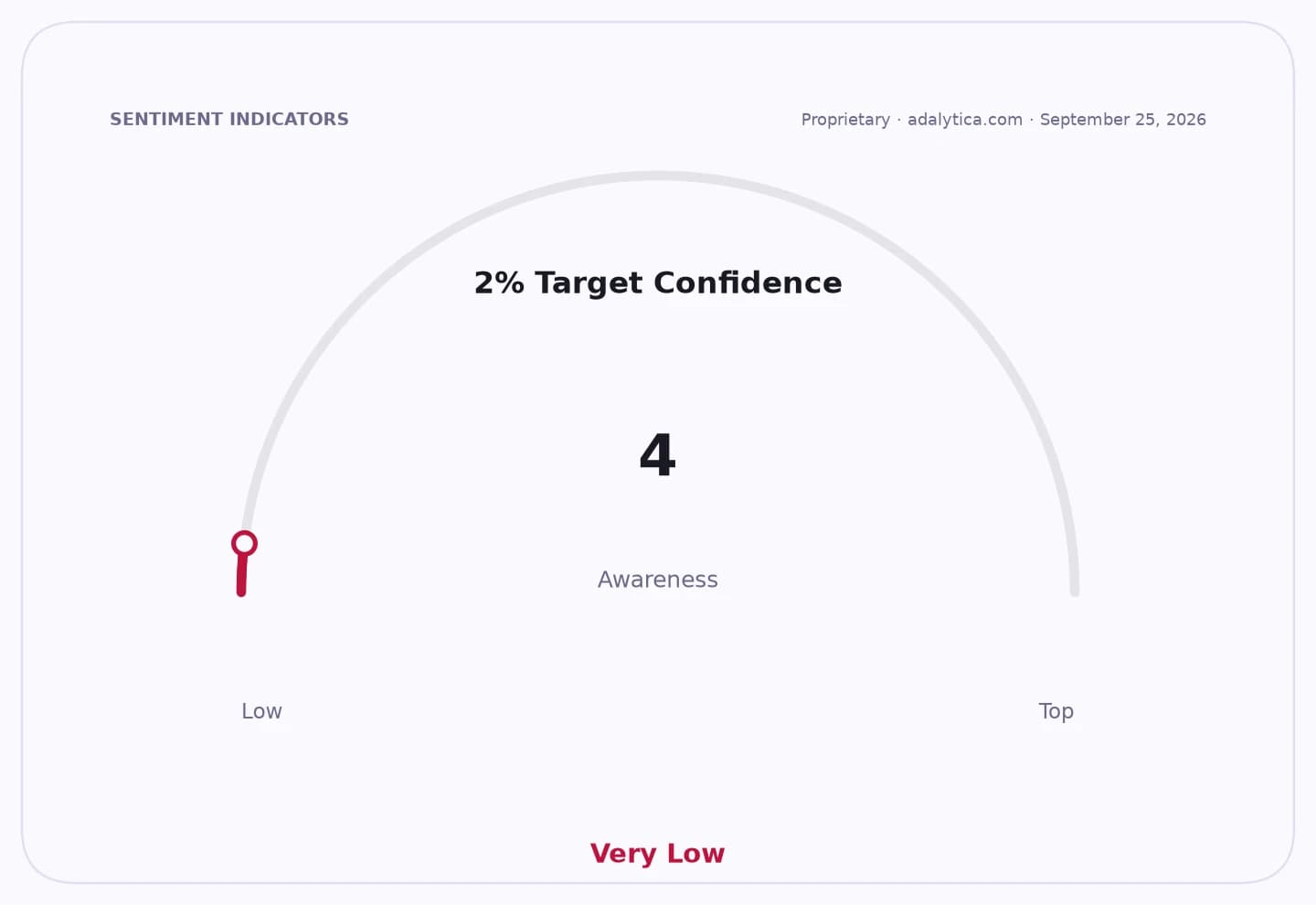
That uncertainty is showing up in market indicators as well. Adalytica’s gauge for confidence in the Fed’s 2% inflation target is at 4, labeled extreme fear, while its long-term inflation expectations sentiment sits at 44, neutral, after sharp swings over the past week. Wage inflation sentiment remains elevated at 61, suggesting pressure has not fully faded, even as five-year breakeven sentiment is only neutral at 48.
Long-term Inflation Expectations — 30-day sentimentadalytica.com
Explore this data interactively — full history, time series and cross-market comparisons.Open AlphaPulse
For investors, the message is that inflation is no longer just a headline macro issue; it is a policy constraint. If the global oil risk persists, Malawi faces a tougher trade-off between supporting activity and defending price stability, and that can weigh on local bond yields, currency stability and bank lending conditions.
The next catalyst is the Reserve Bank’s latest communication on whether inflation risks are becoming more persistent or just temporarily higher. Traders will be watching for any shift in tone on rates, while importers, consumers and domestic borrowers face the most direct hit if the price shock broadens beyond fuel and food.
| Entity | Gains | Losses |
|---|---|---|
| Reserve Bank of Malawi | ▲Policy credibility | ▼Rate-cut flexibility |
| Importers and consumers | ▲None | ▼Higher fuel and food costs |
| Local banks | ▲Wider lending spreads | ▼Softer credit demand |
| Inflation hedgers | ▲Pricier assets | ▼Cash and fixed income |