Malaysia’s push to turn its long relationship with France into a formal strategic partnership matters because it could unlock more trade, defense procurement and investment at a time when governments are rethinking supply chains, energy security and regional stability.
Malaysia-France Trade and Defense Ties Deepen
Prime Minister Anwar Ibrahim and President Emmanuel Macron used Macron’s first official visit to Malaysia to discuss not just diplomacy, but a broader commercial and geopolitical agenda that now reaches into critical minerals, the energy transition, defense and higher education. That mix is important for investors because it points to a relationship that is moving beyond protocol toward deals that can support capital spending, industrial cooperation and cross-border business over the next several years.
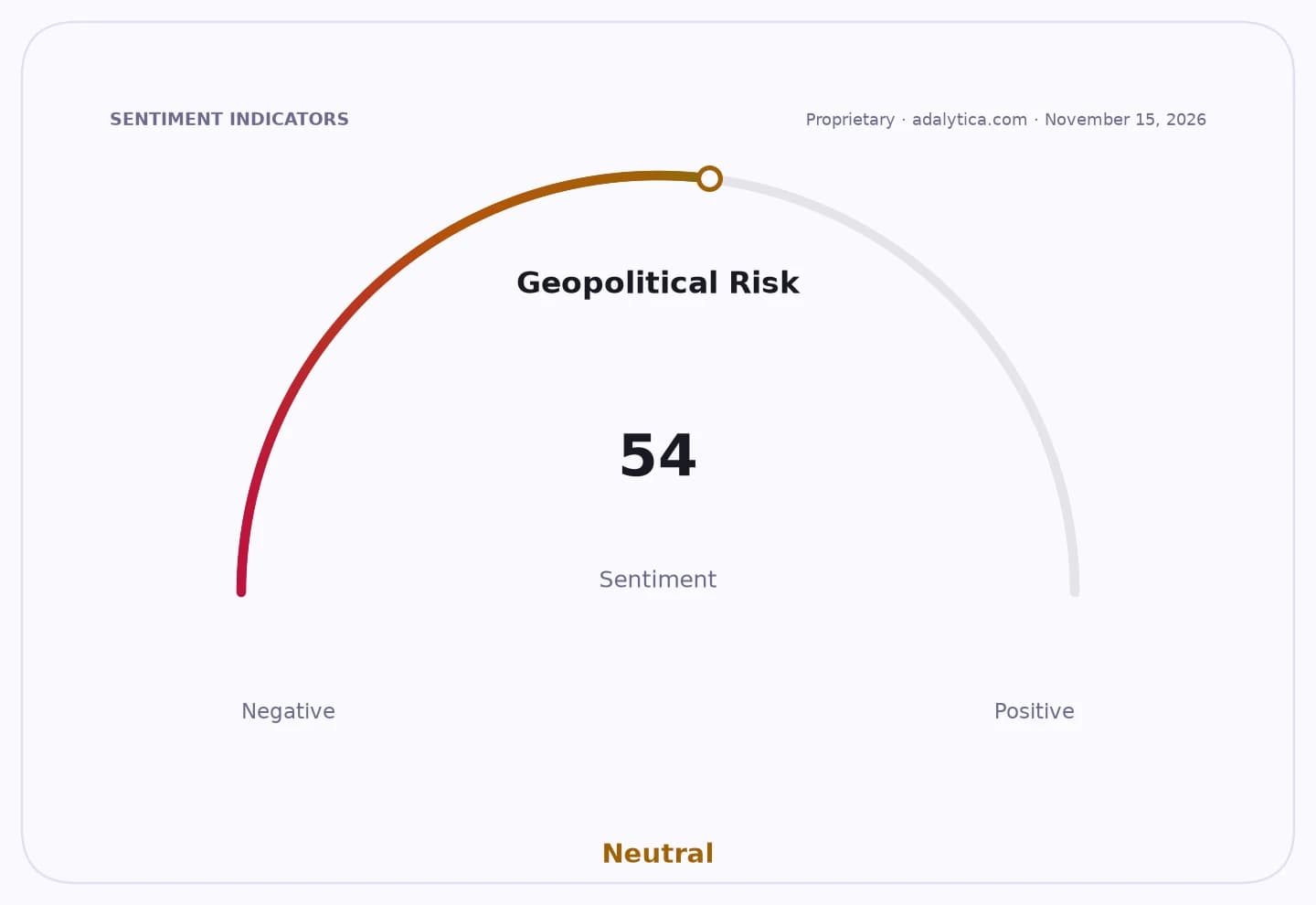
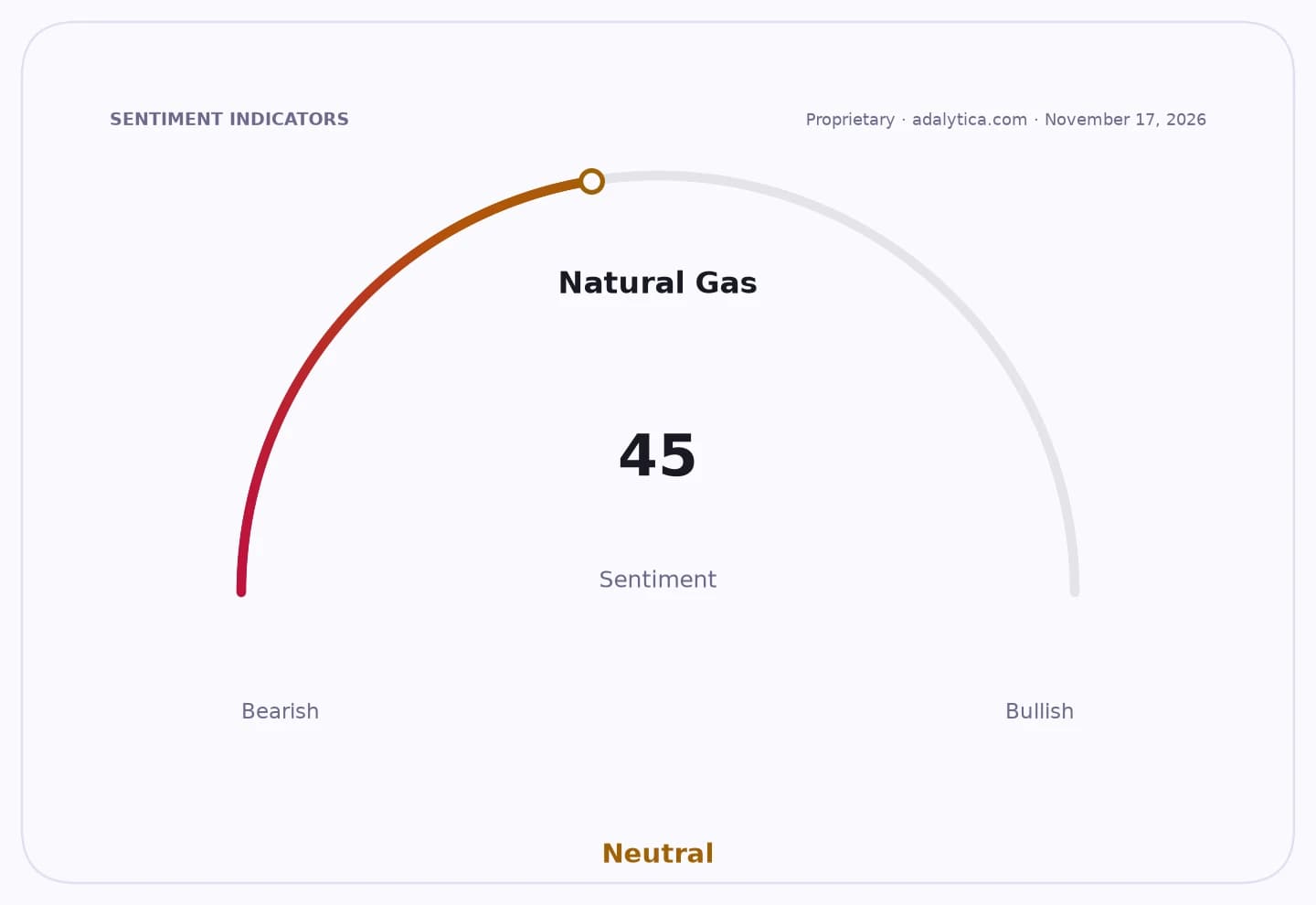
Sentiment Indicators
Wisma Putra said the two countries want to elevate ties into a strategic partnership, with cooperation framed around trade and investment, critical minerals, energy transition, defense and education. The leaders are also set to witness the exchange of memorandums of understanding spanning defense, higher education, critical minerals and the energy transition.
The economic backdrop is already meaningful. Malaysia said bilateral trade with France reached 17.78 billion ringgit, or about $4.2 billion, in 2025. Malaysia exported 6.05 billion ringgit worth of goods to France, led by electrical and electronic products, while imports from France totaled 11.73 billion ringgit, mainly transport equipment, machinery and chemicals. That makes France Malaysia’s 21st-largest global trading partner and its fourth-largest in Europe.
For Malaysia, the upside is obvious: deeper French engagement can help diversify export markets, attract technology and investment, and strengthen access to advanced industrial and defense supply chains. For France, the opportunity is to expand a foothold in Southeast Asia’s manufacturing base and tap a fast-growing market that sits at the crossroads of regional trade.
This is also where the geopolitical layer matters. In a world increasingly shaped by rivalry over critical minerals, energy security and defense autonomy, tighter Malaysia-France coordination offers both governments a way to hedge against disruption and deepen strategic resilience. That kind of cooperation tends to outlast headlines, which is why long-term investors should pay attention.
For equity investors, the near-term market impact is more likely to show up in infrastructure, industrials, defense and energy-transition names than in broad macro data. The broader theme is the same one that has been driving global capital allocation for months: countries want dependable partners, not just cheap suppliers.
The message for investors is simple. This is not just ceremonial diplomacy. It is a signal that Malaysia is trying to move up the value chain while France is looking for durable influence in Asia. That combination can create steady, compounding opportunities in sectors tied to trade, technology and strategic assets, and it is worth keeping on the watchlist for the years ahead.
| Entity | Gains | Losses |
|---|---|---|
| Malaysia | ▲More investment and market access | ▼Less reliance on narrow trade partners |
| France | ▲Stronger Southeast Asia foothold | ▼Higher commitment to the region |
| Defense and industrial suppliers | ▲New contracts and cooperation | ▼Firms left out of the partnership |
| Exporters tied to electronics and machinery | ▲Better cross-border demand | ▼Businesses exposed to weaker geopolitical ties |