Mali is stepping up its push to process more of its cotton crop at home, arguing that exporting more raw fiber leaves too much value, employment and foreign-exchange earnings on the table.
Mali seeks to process more cotton at home
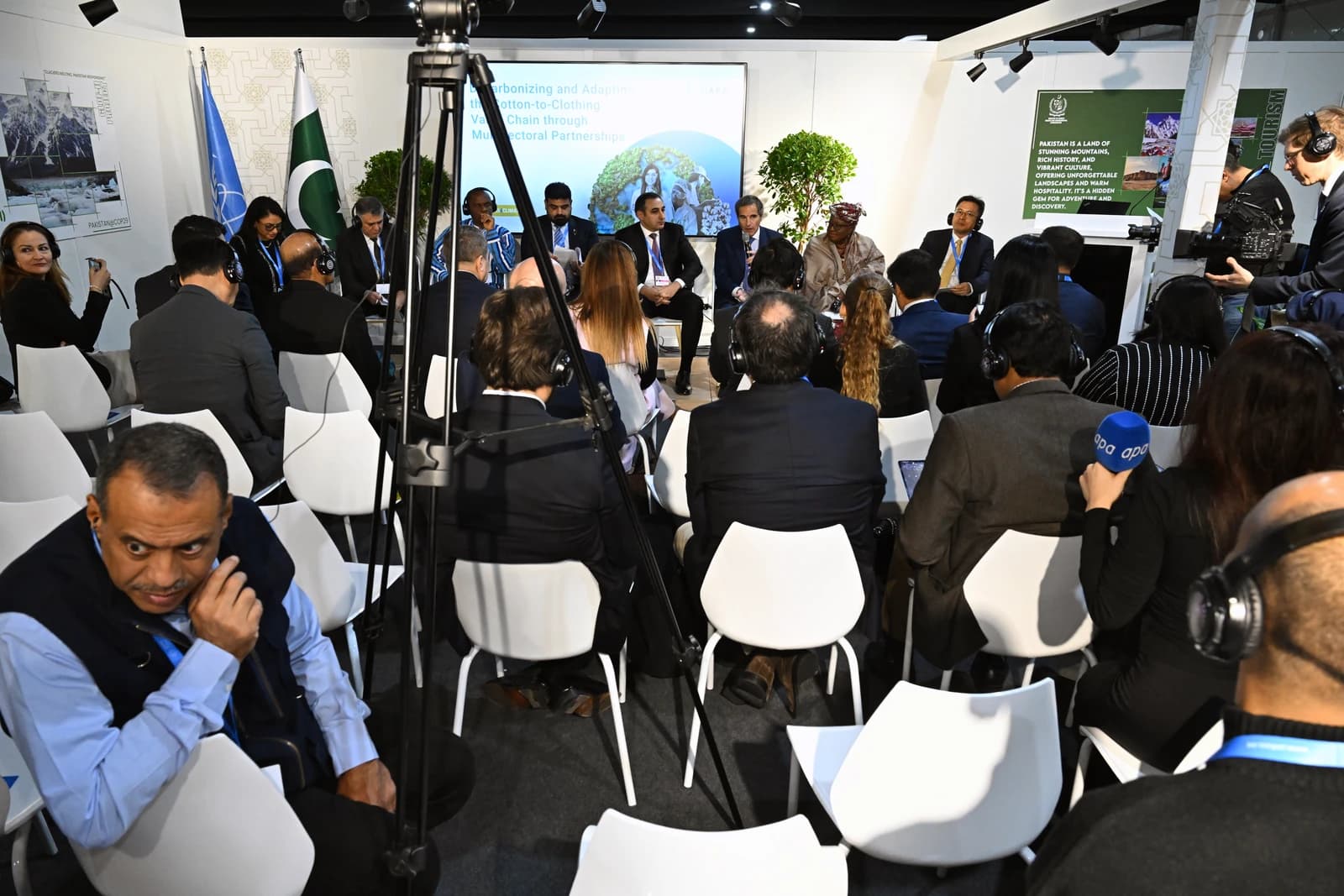
The message matters because cotton remains one of Mali’s most important cash crops and a key source of export revenue. At a United Nations event in New York on cotton and sustainable development, Mali’s UN envoy Issa Konfourou said the country has produced an average of 650,000 tonnes of cotton fiber a year over the past five years, supported by more than 4 million producers, and that the sector contributes about 11% of export receipts on average. The government’s target is to transform at least 10% of national cotton fiber locally.

For Mali and other West African producers, that is more than an industrial-policy slogan. Local spinning, weaving and garment production can capture a larger share of the cotton value chain, create jobs for young people and women, and reduce dependence on volatile commodity exports. It also gives governments a way to cushion rural incomes when global cotton prices weaken or logistics become more expensive.
The push comes as cotton-growing countries, including members of the C-4 bloc, continue to argue that they should benefit more from the crop they produce, rather than exporting a low-margin raw material and importing finished textiles. In practical terms, the bottleneck is not only farming capacity but also power supply, financing, transport, and the ability to attract partners willing to invest in downstream processing in a market where margins are thin and competition from Asia is intense.

Mali’s call for “mutually advantageous” partnerships, including South-South cooperation, is also a signal to investors and trading partners that Bamako wants capital and technology without surrendering control of strategic resources. That makes the opportunity more attractive in theory, but it also raises the bar for any foreign investor: projects will need to show they can operate reliably, export competitively and navigate political and regulatory risks.
For investors, the key question is whether Mali can move from aspiration to scale. A 10% processing target would still leave most of the crop unprocessed, but even that would represent a meaningful shift in a sector that has historically been export-led. If successful, it could support domestic industrial growth and foreign-exchange retention; if not, the country will remain exposed to the familiar vulnerabilities of raw commodity dependence.
The immediate takeaway is that Mali is using the global cotton platform to press for a structural change in how its cotton economy works: less dependence on raw fiber exports, more domestic value addition, and a bigger claim on the profits generated by its crop.
| Entity | Gains | Losses |
|---|---|---|
| Mali government | ▲More value added | ▼Faster policy delivery |
| Local processors | ▲New investment flow | ▼Higher execution risk |
| Cotton farmers | ▲Potentially steadier demand | ▼Short-term transition costs |
| Raw fiber exporters | ▲Stable volumes | ▼Lower export share |