An 18-year-old Massachusetts student has built an AI-driven pedestrian signal that could make road crossings safer and more accessible for older adults and people with mobility limitations, winning first place at a major international science fair.
Massachusetts Student Wins Science Fair for SmartBlink
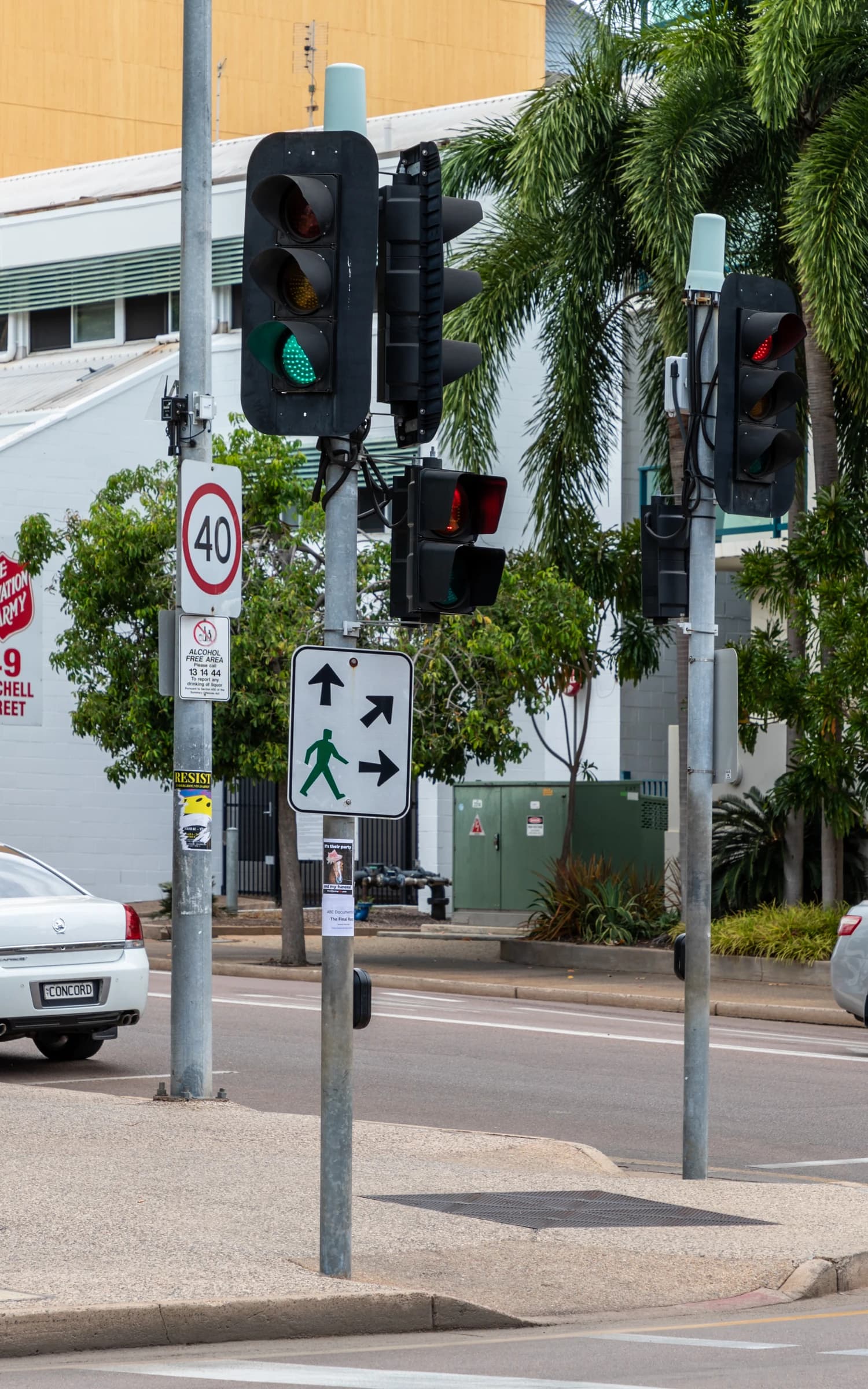
The project matters because it tackles a small but widespread urban problem: fixed crossing timers often fail the people who need the most time to reach the other side. By adapting signal timing in real time, the system points to a lower-cost way cities could improve accessibility without rebuilding intersections.
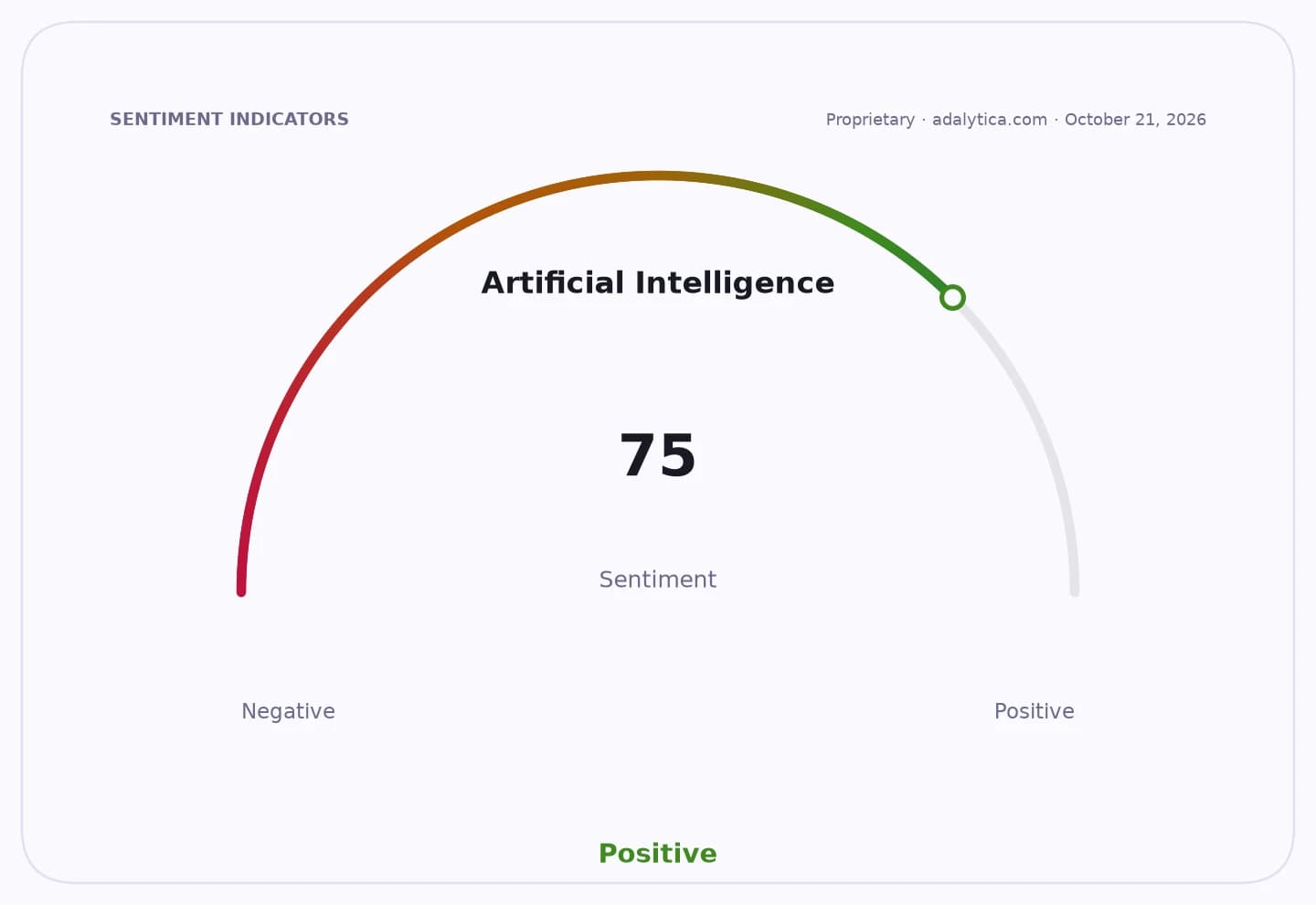
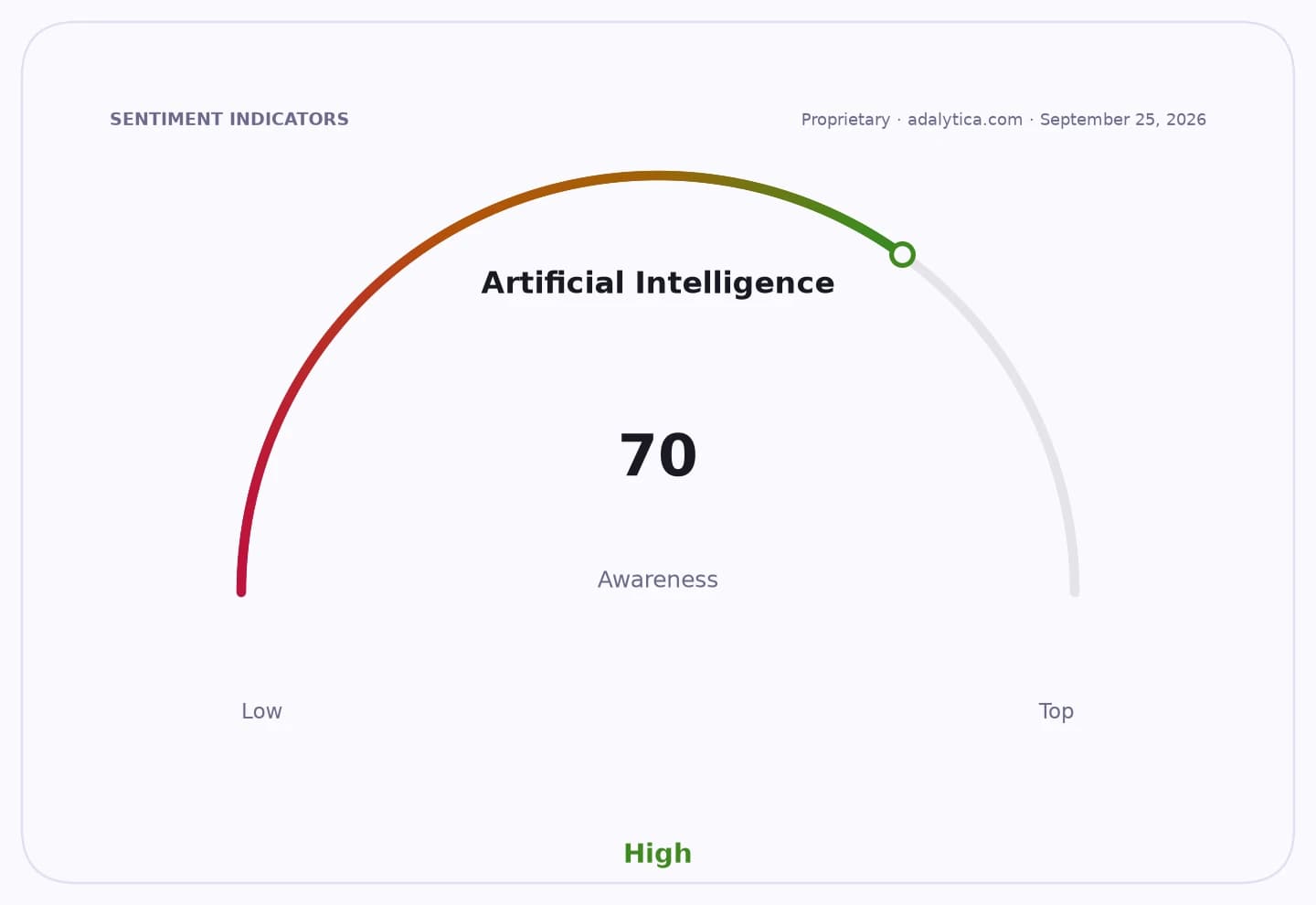
Sentiment IndicatorsⓘProprietary · adalytica.com · October 23, 2026
This is a snapshot — live sentiment, awareness and momentum for 130+ markets update continuously in the dashboard.Open AlphaPulse
The invention, called SmartBlink, was developed by Phillips Academy student Jay Jung and recognized at the 2026 Regeneron International Science and Engineering Fair, where it won first place in the Behavioral and Social Sciences category and a $6,000 prize. The system uses AI to monitor how quickly pedestrians are crossing and extends the walk signal when it detects that someone needs more time.
If a crossing normally allows 20 seconds but the system estimates a pedestrian needs 34 seconds, SmartBlink adds the extra 14 seconds. According to the project details, it can identify pedestrians using wheelchairs, crutches or walking canes, and it is designed to work in different lighting conditions.
The idea came from Jung’s experience walking with his grandparents in South Korea, where he saw them struggle to cross streets before the signal changed. That lived observation gives the project broader significance: it reflects how AI is increasingly being applied to public infrastructure, not just consumer apps or enterprise software.
For investors, the story is less about an immediate market catalyst than about the direction of demand. Smart city systems, transportation technology and computer vision tools are all areas where municipalities may eventually spend more as they face aging populations and pressure to improve accessibility and road safety.
The project is not installed at any crossing yet, and its next step is testing in real communities. For now, it stands as a proof of concept for a class of AI applications that regulators, city planners and technology companies are likely to scrutinize more closely as governments debate how far artificial intelligence should be allowed to shape public life.
| Entity | Gains | Losses |
|---|---|---|
| Older adults and pedestrians with disabilities | ▲Safer, longer crossings | ▼Less risk from fixed timers |
| Cities and transit planners | ▲A low-cost safety tool | ▼Need for testing and rollout work |
| AI traffic-tech developers | ▲New use case for computer vision | ▼Higher scrutiny over public deployment |
| Fixed-timer signal systems | ▲N/A | ▼Relevance in accessibility-focused upgrades |