AI is becoming the latest growth lever — and the latest risk — in online dating, lifting Match Group and Bumble shares even as the technology raises fresh questions about safety, authenticity and long-term user trust.
Match Group and Bumble Rise on AI Bets
For investors, the market reaction shows that AI is not just a back-office efficiency story for dating apps. It is now central to how the sector hopes to improve matching, keep users engaged and defend pricing power in a market where churn has been a persistent problem. But the same tools that can make dating apps more useful can also make them easier to manipulate through fake profiles, synthetic images and automated scams, which could force companies to spend more on moderation and trust-and-safety controls.
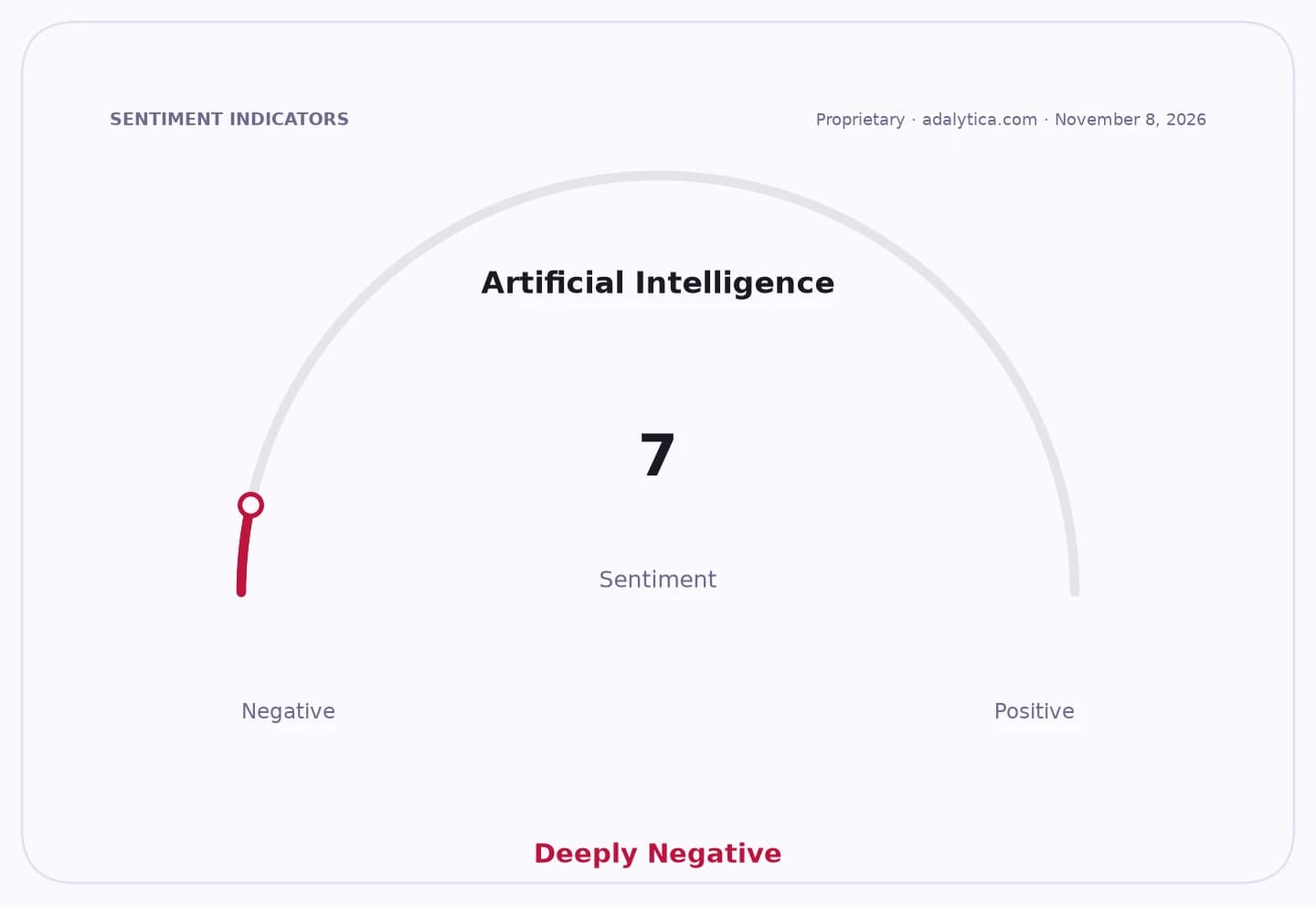
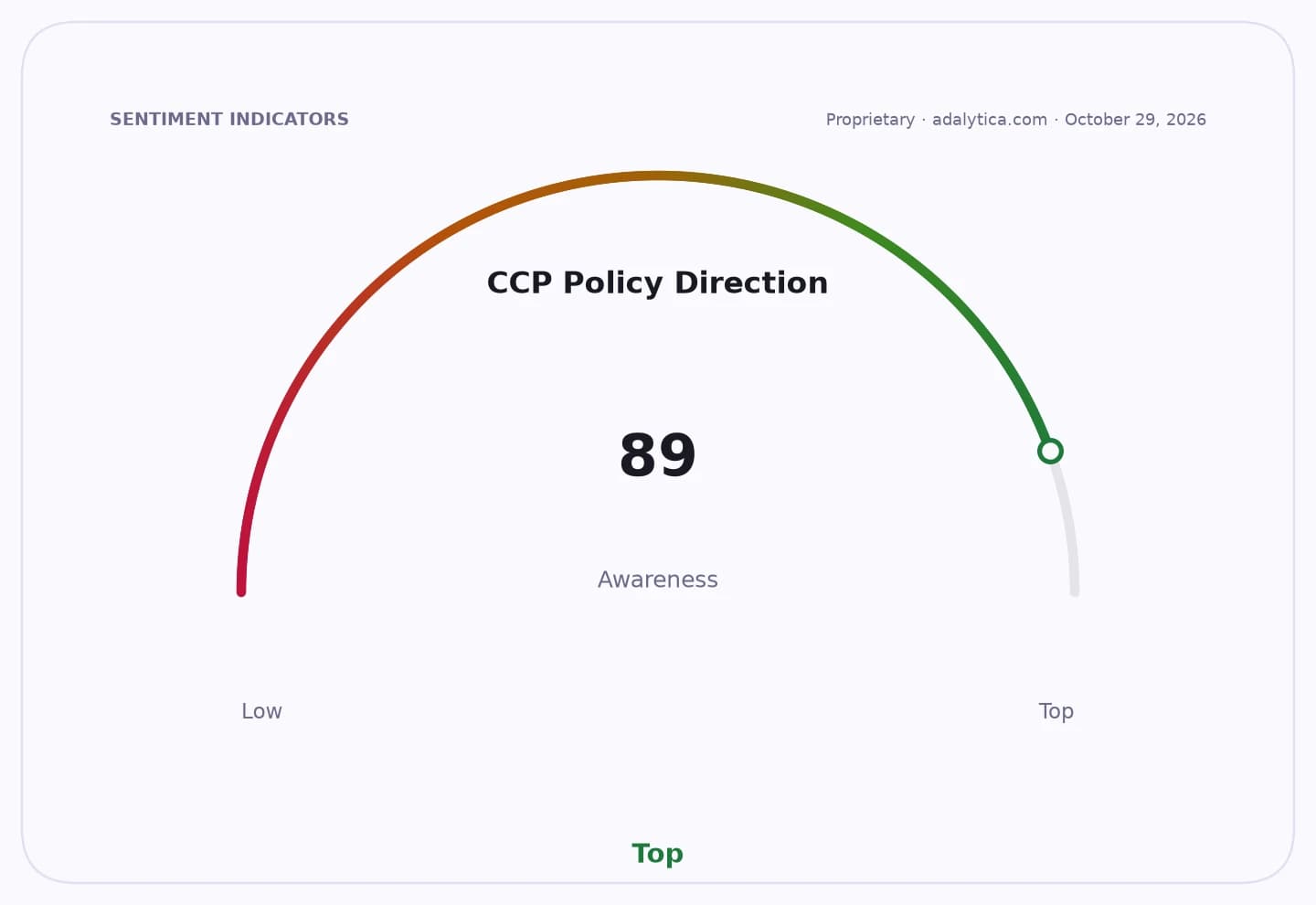
Sentiment Indicators
Match Group’s stock has surged to $45.92 from $28.43 in early February, while Bumble has more than doubled from $2.77 in late February to $5.94 on Oct. 22. Both moves have been accompanied by strong momentum readings: Match’s shares are trading well above both the 50-day and 200-day moving averages, while its RSI is close to overbought territory at 78.6. Bumble’s stock is even more stretched, with an RSI of 96.3, underscoring how aggressively traders have chased the rebound.
That matters because online dating is a mature consumer internet business that depends on repeated usage, subscription conversion and trust. AI can improve recommendation engines, summarize conversations and help users craft profiles, all of which can boost engagement and reduce friction. In theory, that should support paid conversion and average revenue per user. In practice, the same automation can also cheapen the user experience if people feel they are matching with bots rather than potential partners.
Artificial Intelligence vs MTCHadalytica.com
Explore this data interactively — full history, time series and cross-market comparisons.
The broader backdrop is a sector under pressure to prove that AI can be monetized without undermining product integrity. Match, which owns Tinder, Hinge and other apps, has already flagged regulatory and privacy-related issues in its filings, including a long-running GDPR dispute tied to Tinder’s access and retention policies. Bumble, meanwhile, has explicitly warned about the risks of managing AI technology sourced from third parties. Those disclosures suggest that the strategic race to embed AI into dating platforms is coming with compliance, data-use and brand-risk costs that may not be visible in the headline user-growth narrative.
The macro context is also unfavorable for complacency. Consumer internet companies are being judged more harshly on durable monetization and on whether AI adds real value rather than just marketing gloss. The latest surge in share prices suggests investors are willing to pay for any evidence that AI can revive growth in online dating. But the sector still faces a key question: whether AI will deepen network effects by making matches better, or erode them by making interactions feel less human.
For now, the market is betting that AI can help dating apps reinvent themselves. The next test is whether that bet translates into retention, subscription gains and safer platforms — or whether the cost of policing AI-generated deception starts to outweigh the upside.
| Entity | Gains | Losses |
|---|---|---|
| Match Group | ▲Higher engagement and monetization | ▼Trust and safety costs |
| Bumble | ▲Product differentiation and user retention | ▼Margin pressure from AI controls |
| Users seeking matches | ▲Better recommendations and convenience | ▼More fake profiles and manipulation |
| Investors | ▲AI-driven upside re-rating | ▼Risk of overbought pullback |