The global matcha craze is boosting demand for Japan’s green tea supply chain, but it is not yet translating into enough pricing power for ITO EN, leaving the beverage maker caught between surging leaf costs and a stock that has fallen well behind peers.
Matcha Boom Pressures Ito En Margins

That mismatch matters because matcha is both a growth opportunity and a margin test. Rising input prices should normally support higher retail prices, but ITO EN’s slow pass-through suggests competitive pressure, cautious consumers and a channel mix that limits near-term earnings leverage. For investors, the issue is not whether demand exists — it clearly does — but whether the company can convert that demand into profit before raw-material inflation erodes returns.
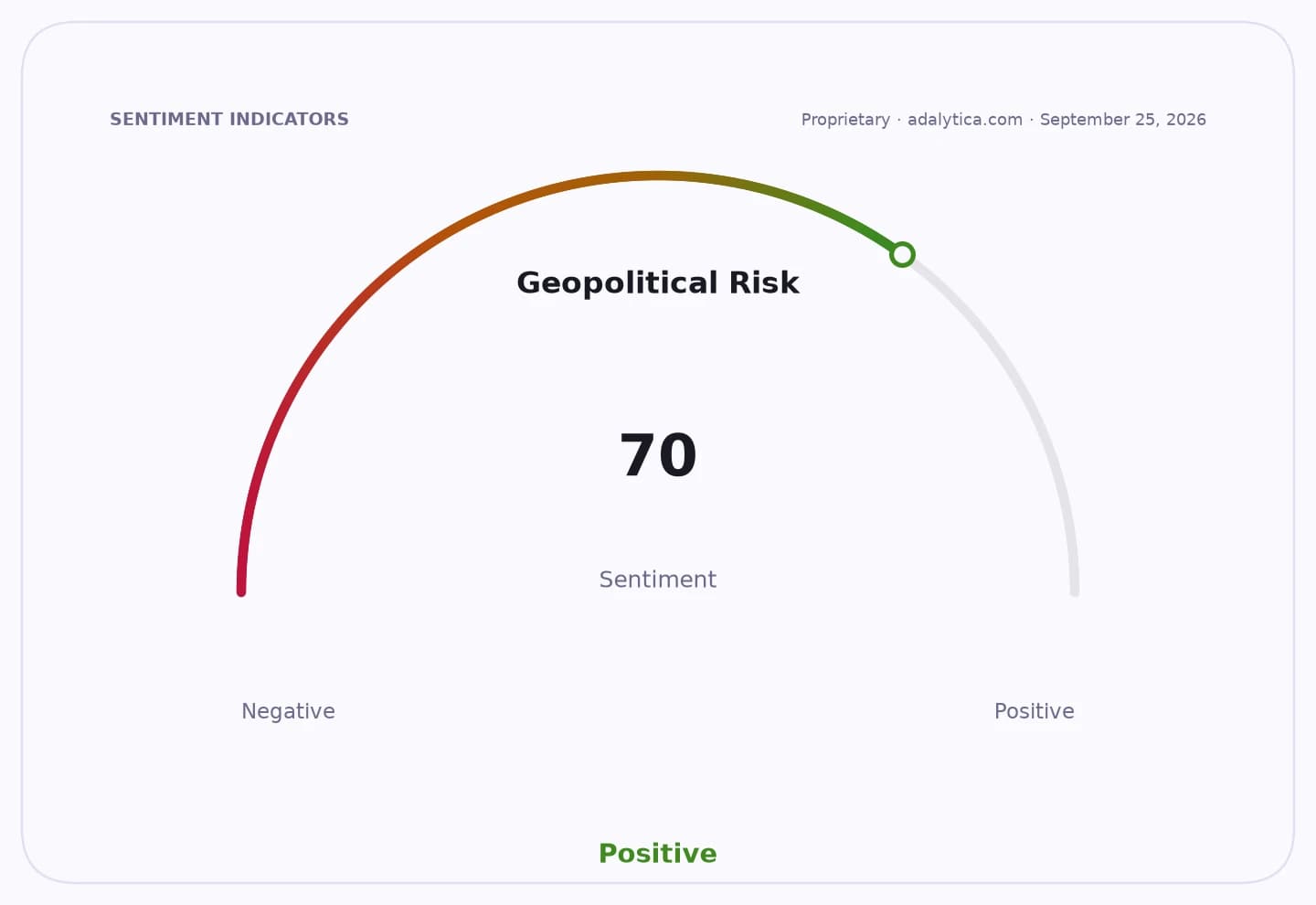
Sentiment IndicatorsⓘProprietary · adalytica.com · July 26, 2026
This is a snapshot — live sentiment, awareness and momentum for 130+ markets update continuously in the dashboard.Open AlphaPulse
Japan’s tea market is being pulled in two directions. Abroad, matcha has become a high-margin, health-oriented lifestyle product, expanding from specialty cafés into mainstream drinks and packaged goods. At home, however, the companies that supply and process tea leaves are facing sharply higher costs. Bloomberg’s data on U.S. producer prices show broad commodity inflation has eased from the 2022 peak, but it remains elevated versus pre-pandemic levels, while bond yields near 4.7% and a weaker risk backdrop argue against paying up for businesses that cannot quickly reprice their products. In Japan, that environment is especially difficult for consumer companies reliant on volume rather than strong brand elasticity.
ITO EN’s share performance reflects that tension. The stock, which trades on the Tokyo market under 2499.T, has lost ground over the past year and is still well below its 200-day moving average, even after a rebound from spring lows. It closed at 292 yen on July 24, above its 50-day average of 282 yen but far under the 200-day line around 328 yen, a technical sign the market remains skeptical about the durability of the recovery. The earlier slide pushed the relative strength index deep into oversold territory, and while momentum has improved, the stock has not yet convinced investors that earnings can keep pace with input costs.
By contrast, larger peer 2501.T has held up far better, with shares around 1,996 yen on July 24 and comfortably above both its 50-day and 200-day moving averages. That gap suggests investors are rewarding businesses with stronger pricing power, better scale or cleaner earnings visibility. In the tea aisle, the market is effectively separating those that can monetize the matcha boom from those merely supplying it.
The economic significance extends beyond one company. Tea leaf inflation can filter through cafes, convenience stores and foodservice operators, especially if matcha becomes a staple rather than a fad. Australian café margins may be buoyed by matcha’s premium pricing, but upstream suppliers face a different reality: volume growth does not always equal profit growth when raw material inflation is moving faster than menu prices. That is the core problem for ITO EN. If it raises prices too slowly, margins compress; if it lifts them too quickly, it risks losing share in a category where consumers have plenty of substitutes.
The bull case is that matcha’s globalization eventually gives ITO EN more leverage. Premiumization could support branded bottled drinks, powders and export products, and sustained demand would justify higher pricing across the portfolio. The bear case is that matcha remains more lucrative for retailers and cafés than for producers, while tea leaf costs stay sticky and domestic consumers resist repeated price increases. In that scenario, the boom becomes an upstream squeeze rather than a windfall.
For investors, the next catalyst is whether management can show faster price transmission and better margin protection in upcoming results. Until then, the market is likely to treat the matcha boom as a headline benefit with limited immediate earnings value — a growth story that has yet to fix the economics underneath.
| Entity | Gains | Losses |
|---|---|---|
| Cafes and drink sellers | ▲Higher-margin matcha sales | ▼Limited if demand cools |
| ITO EN | ▲Volume from matcha demand | ▼Margin pressure from leaf costs |
| Competitors with stronger pricing power | ▲Better earnings resilience | ▼Less if input inflation accelerates |
| Consumers | ▲More premium tea options | ▼Higher retail prices |