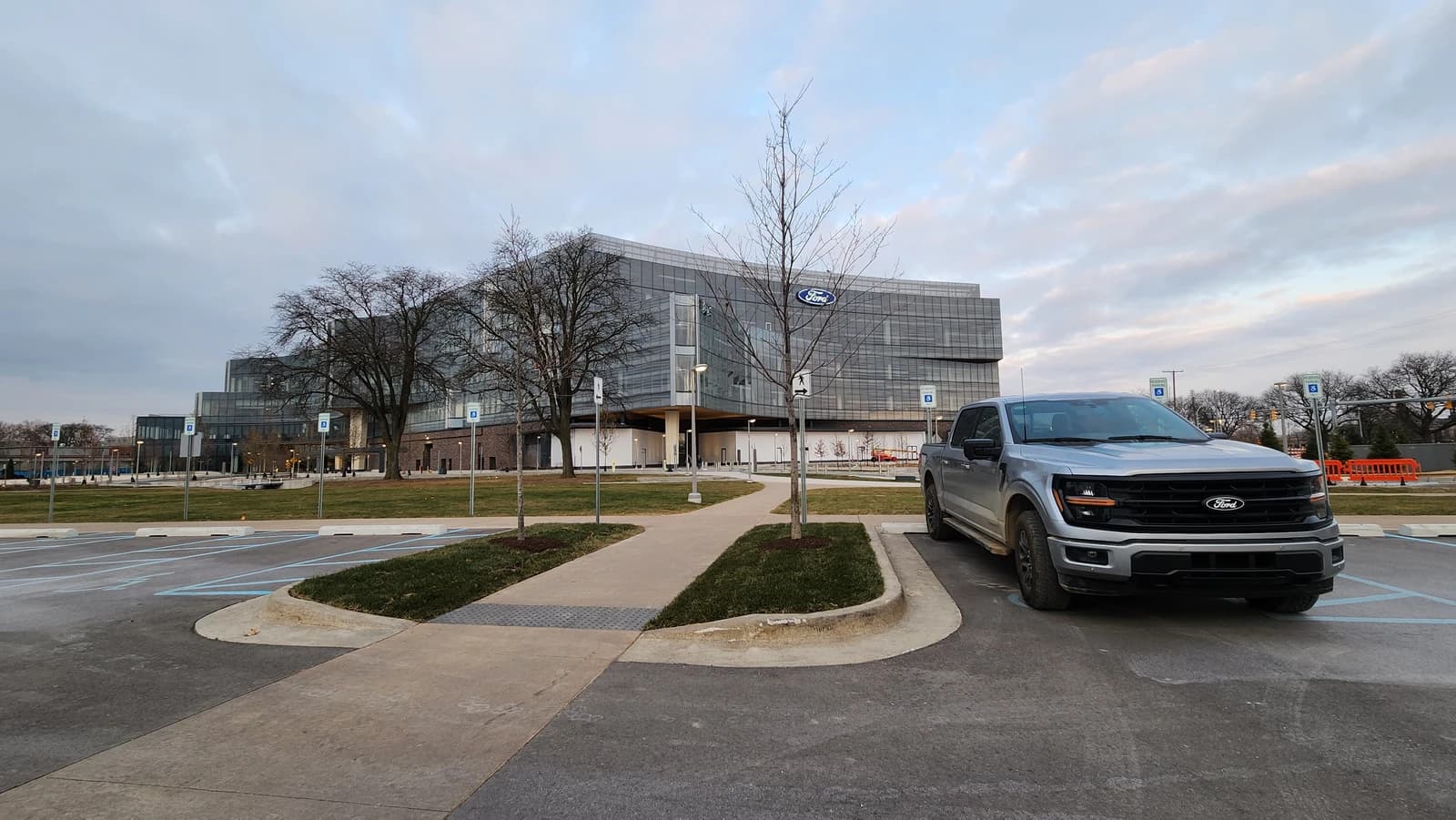
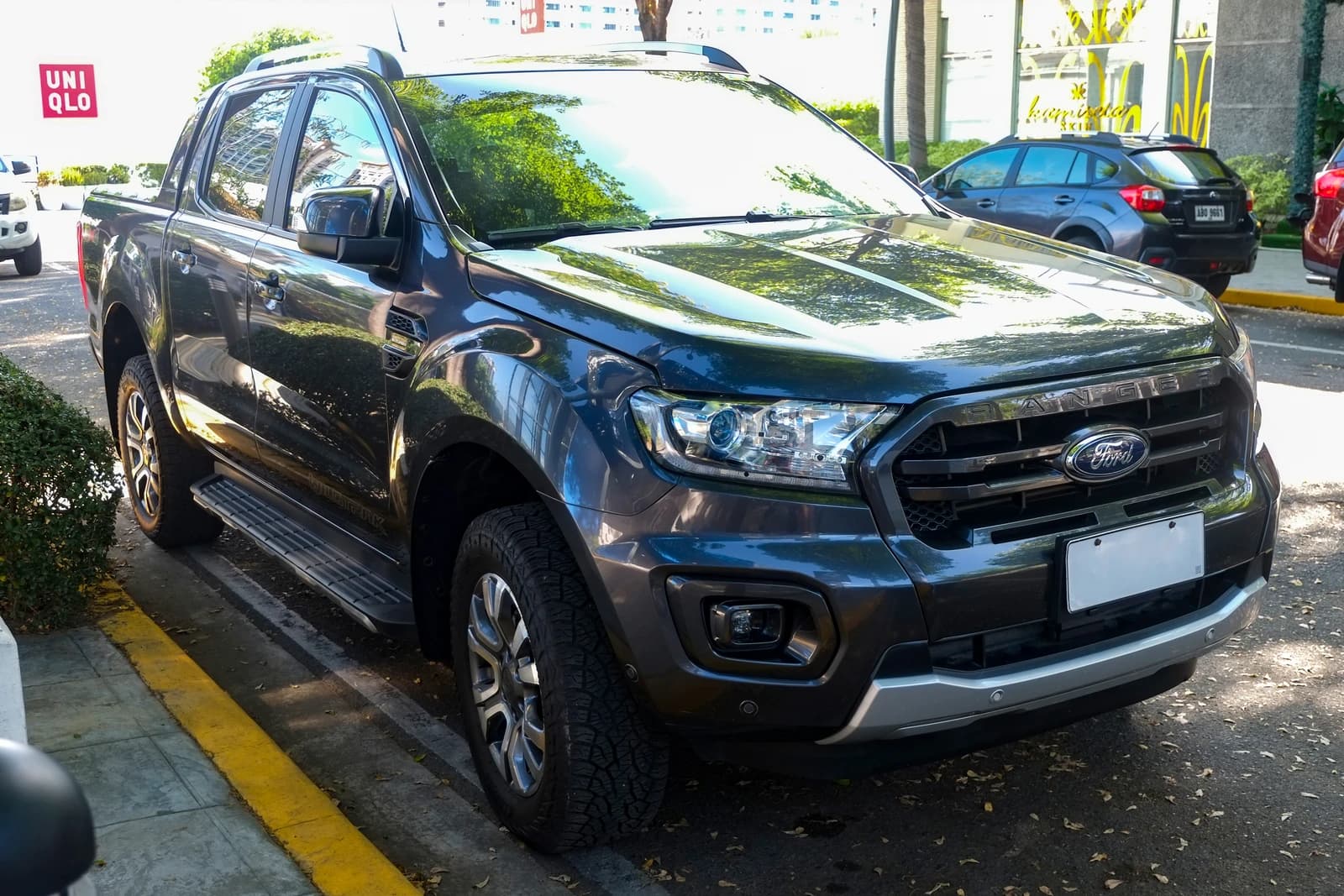
Mazda is developing a new-generation BT-50 for around 2028, betting that a cleaner, more premium design can give it a shot at the highly competitive midsize pickup market dominated by the Ford Ranger and Toyota Hilux.
Mazda BT-50 due for redesign around 2028
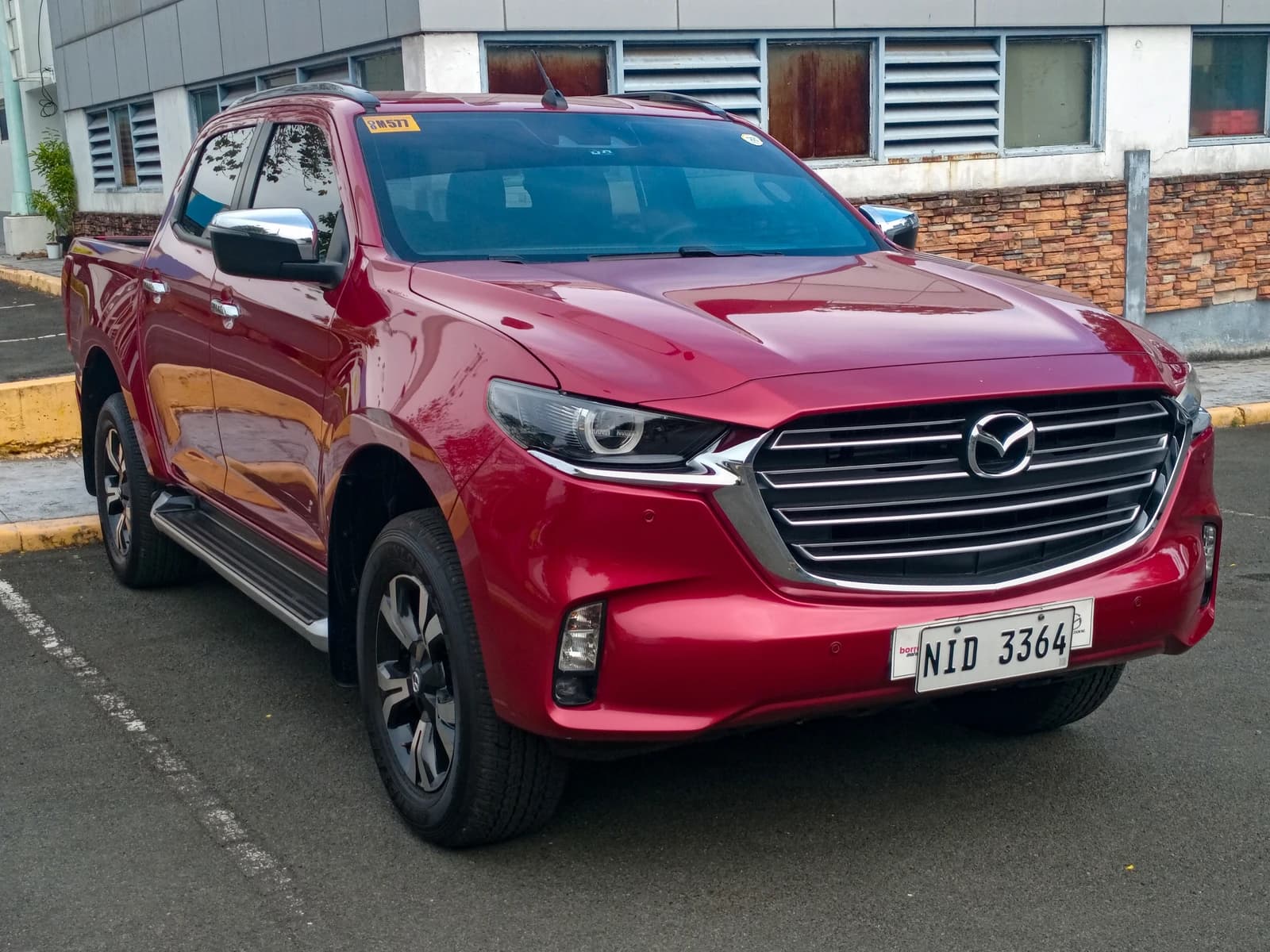
That matters because Mazda is trying to keep the BT-50 relevant without the cost of engineering a dedicated truck platform, a move that could preserve margins while still giving buyers a product that looks and feels more distinct than a badge-engineered utility vehicle. The strategy also underlines how crowded the global pickup segment has become, where styling, cabin quality and drivetrain choice can be just as important as ruggedness.
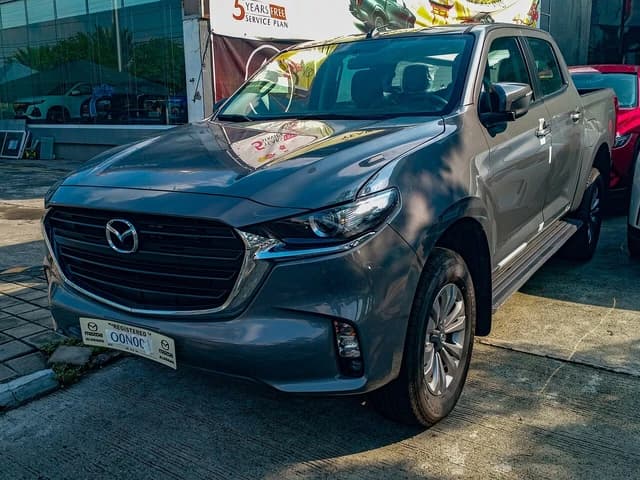
Mazda Australia chief Vinesh Bhindi said the next BT-50 is expected to arrive in about 2028, while design head Eiji Kimoto signaled a meaningful visual reset. Current plans point to a continued partnership with Isuzu, meaning the truck is likely to stay tied to the D-Max architecture rather than switch to a Mazda-developed chassis.
That would extend a formula Mazda has already used since the current BT-50 launched in 2020: shared underpinnings with Isuzu, but Mazda-specific exterior and interior design. The current model was updated in late 2024 and uses a 3.0-liter turbo-diesel in some markets with 190 horsepower and 450 Nm of torque, a setup aimed at balancing work use with daily driving.
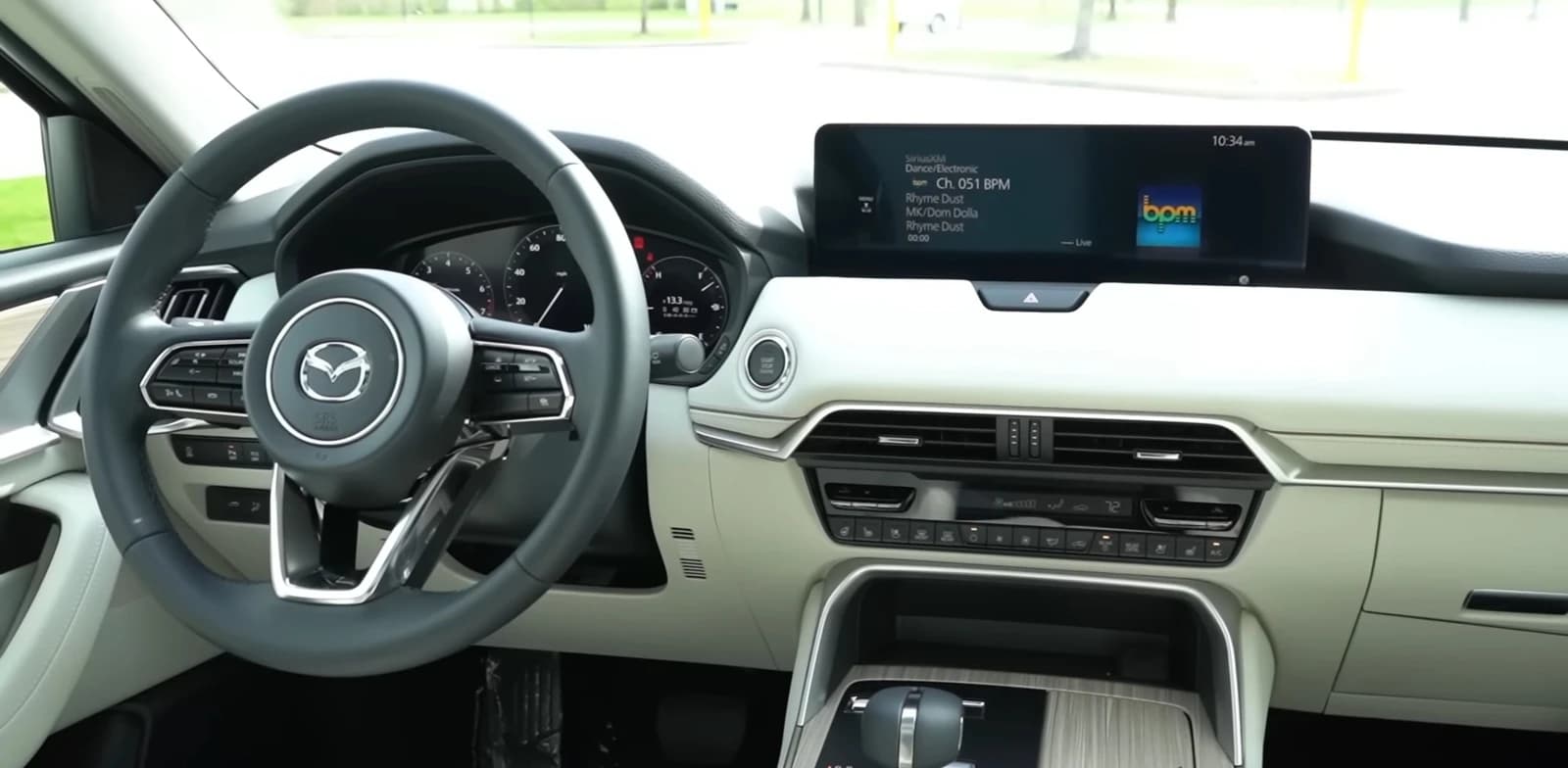
The next version is expected to lean harder into Mazda’s SUV-style design language, with renderings suggesting cues from the CX-60 and CX-90, slimmer LED lighting and sharper body surfacing. Mazda is also expected to push the cabin further upmarket with better materials and more technology, which would be a direct attempt to differentiate against the Ranger and Hilux, both of which compete heavily on equipment and off-road ability.
For investors, the key takeaway is that Mazda is not signaling a major powertrain reset. The company has not indicated plans to add hybrid or plug-in hybrid versions in the near term, and the next BT-50 is still expected to rely on diesel, likely from Isuzu, if the partnership continues. That keeps development costs lower, but it also leaves Mazda behind rivals as Ford and Toyota broaden their truck powertrain offerings in some markets.
Mazda has already stepped away from BT-50 sales in Vietnam after demand fell short, showing how hard it is to win share in a segment where Ford Ranger and Toyota Hilux set the benchmark. A redesigned cabin and stronger brand identity may help, but Mazda will still be selling against two established leaders when the truck arrives in 2028.
Mazda shares were little moved on the strategic update, with U.S.-listed stock last around $3.35, below both the 50-day average of $3.63 and the 200-day average of $3.60. Ford shares closed at $182.91, also below the 50-day and 200-day averages, while Toyota ended at $182.91 equivalent in U.S. trading data, reflecting a market that remains focused more on near-term earnings and truck demand than on a vehicle that is still years away.
The next catalyst will be whether Mazda confirms the platform, drivetrain and market rollout timing for the BT-50, and whether it commits to bringing the model back into markets where it has previously struggled.
| Entity | Gains | Losses |
|---|---|---|
| Mazda | ▲Lower development costs, sharper brand identity | ▼Limited powertrain differentiation |
| Isuzu | ▲Continued platform relevance, shared volume | ▼Less room for exclusive control |
| Ford Ranger | ▲Established truck benchmark status | ▼More competition on design and cabin |
| Toyota Hilux | ▲Proven reputation and global reach | ▼Pressure from newer, more premium rivals |