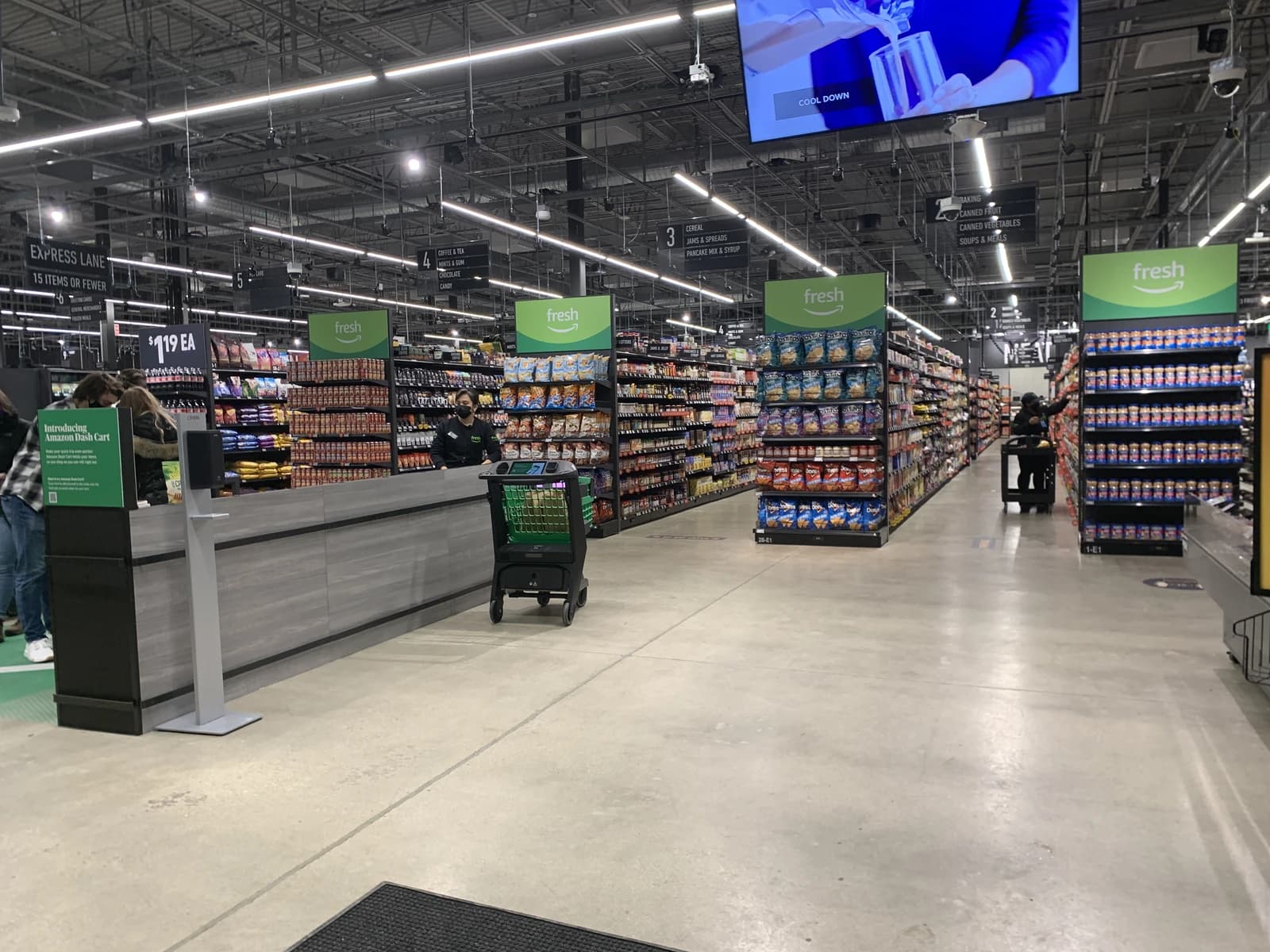
A single online order can ripple through retailers, payment processors and logistics networks, and Mega Image’s stalled e-commerce operation shows how fragile that digital chain can be when execution breaks down.
Mega Image closes online warehouse after website issues
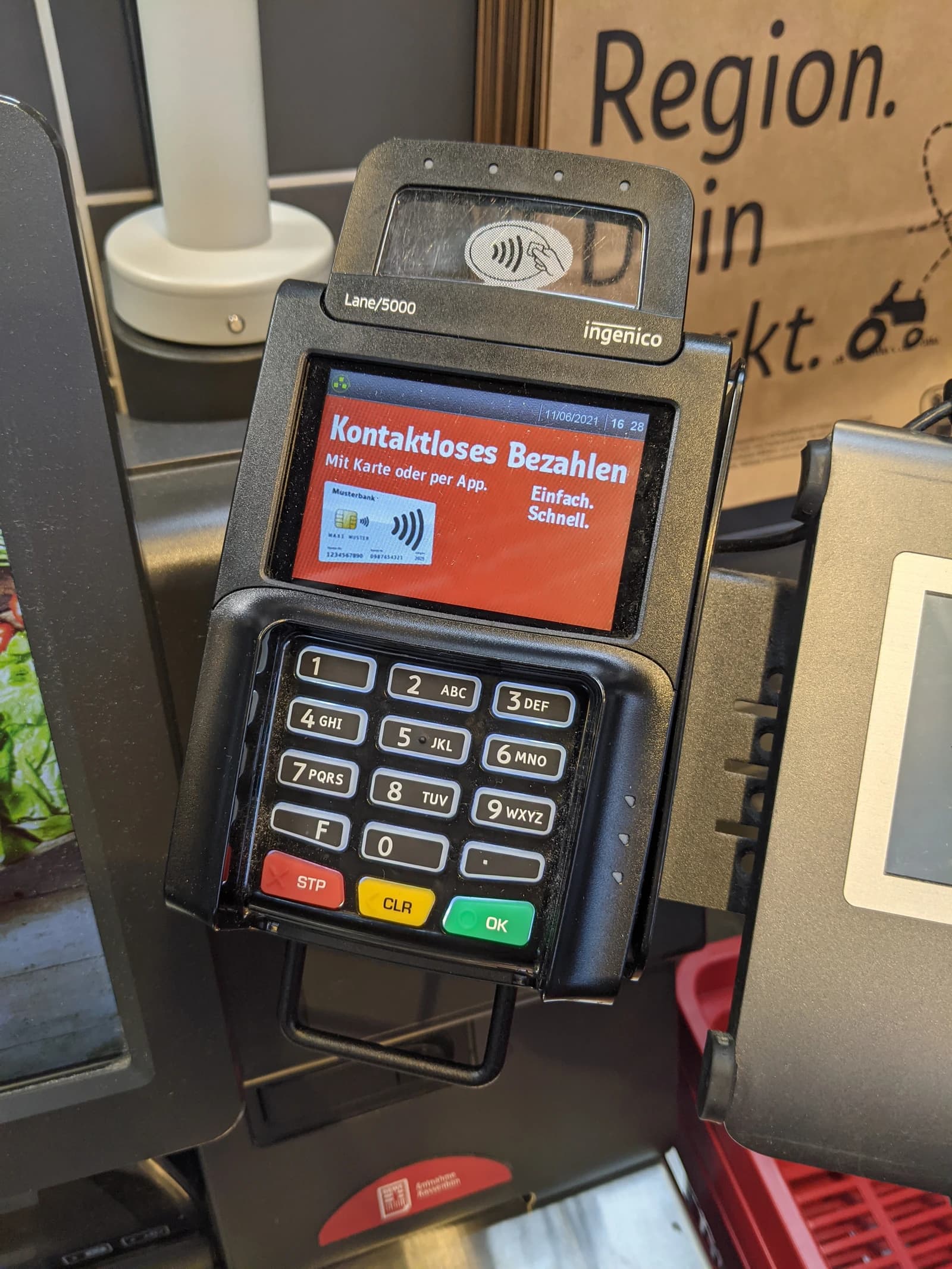
The Romanian grocer is still warning customers about technical problems on its website and has closed the online-store warehouse it set up in 2021 after separating from eMAG, a sign that the economics of online retail can quickly turn from growth story to cost burden if volumes, systems and fulfilment do not line up.
That matters because e-commerce is no longer a side channel. In the wider market, online shopping continues to expand, with Amazon’s latest festival promotions drawing strong demand from tier-2, tier-3 and rural buyers helped by bank offers and no-cost EMIs. The contrast is stark: demand is still broadening, but the retailers that cannot reliably process, pick and deliver a basket online risk losing share even in a growing market.
For investors, the lesson is that digital commerce is not just about top-line growth. Each transaction carries payment processing fees, fulfilment costs and customer-service expenses that scale with order volume and complexity. Amazon’s filings have pointed to those rising costs, while PayPal’s own results show transaction expenses rise with payment volume. When systems fail, the fixed-cost burden of warehousing and technology can become harder to justify, especially for smaller operators without scale.
Mega Image’s retreat also highlights how uneven the online-shopping boom remains. Large platforms can absorb traffic spikes, subsidize delivery and use financing offers to lift conversion. Smaller retailers, by contrast, may need to choose between burning cash to stay competitive or narrowing their digital footprint. That creates winners in the payments and logistics ecosystem, but it can leave legacy retailers with underused infrastructure and weaker margins.
The broader takeaway is that the economics of a “single online purchase” extend far beyond the checkout page. Strong demand can reward the best-executed platforms, but any weak link in technology, fulfilment or funding quickly turns e-commerce into a margin drain.
| Entity | Gains | Losses |
|---|---|---|
| Amazon | ▲More online volume | ▼Higher fulfilment costs |
| PayPal | ▲More payment transactions | ▼Higher processing expense |
| Mega Image | ▲None | ▼Digital sales and warehouse efficiency |
| Bank-offer lenders | ▲More consumer financing demand | ▼Credit risk if purchases slow |