Megaworld’s decision to inject a record $437 million of assets into its real estate investment trust is a clear sign the Philippine billionaire Andrew Tan is still willing to use the REIT market as a growth engine, even as property investors wrestle with higher rates and uneven sentiment.
Megaworld’s Record REIT Injection Signals Growth

That matters because REITs are not just funding vehicles — they are one of the cleanest ways developers recycle capital. By moving completed assets into the trust, Megaworld can free up cash for new projects, while the REIT gets a larger, income-producing portfolio to support distributions. For long-term investors, that is the kind of compounding mechanism that can turn a cyclical real estate business into a steadier cash-generating platform.
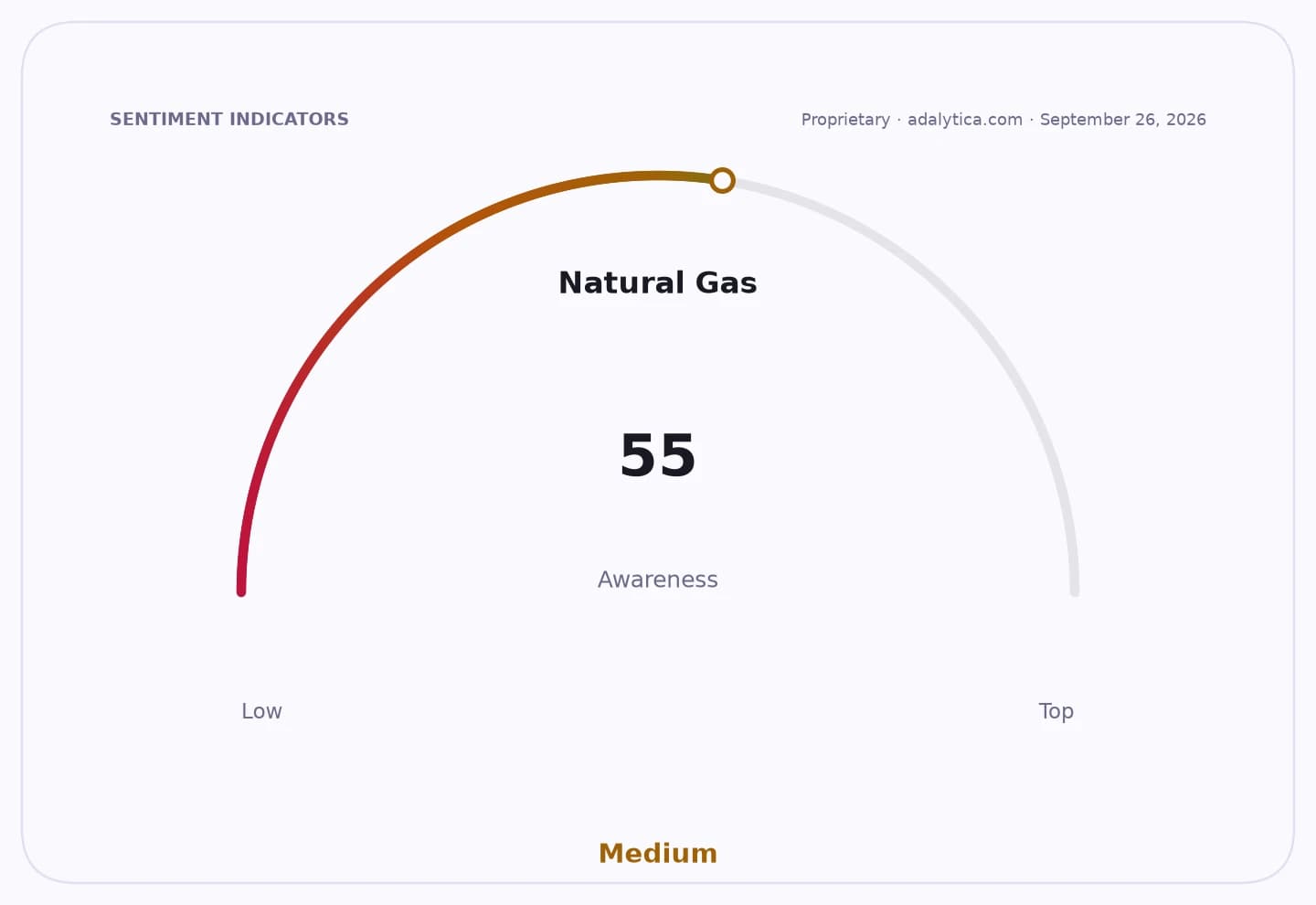
Sentiment IndicatorsⓘProprietary · adalytica.com · July 28, 2026
This is a snapshot — live sentiment, awareness and momentum for 130+ markets update continuously in the dashboard.Open AlphaPulse
The record size of the injection is what stands out. It suggests Megaworld sees enough demand, asset quality and financing flexibility to keep expanding the trust at a time when many property players are more cautious. In plain English: this is not a defensive move. It is an assertion that Philippine office, retail and township assets can still be monetized efficiently through public markets.
For investors in Megaworld, the appeal is straightforward. The developer can unlock capital without giving up the long-term income stream entirely, while the REIT can grow its dividend base through a larger pool of properties. That can be especially attractive if management can keep occupancy stable and maintain disciplined acquisition pricing. The REIT structure works best when sponsors have a pipeline, and Megaworld is showing it still has one.
The wider message also matters for the Philippine property sector. A successful asset injection can reinforce confidence in the REIT market as a funding channel for developers across the region. If the transaction is well received, it may encourage more sponsors to follow the same playbook: sell stabilized assets into a listed trust, recycle proceeds into development, and keep the growth cycle turning.
There are risks, of course. REIT valuations can be sensitive to interest rates, and property income must keep pace with financing costs and investor expectations. But for patient investors, the bigger story is that Megaworld is using a public-market structure to compound real estate value rather than sitting on assets and hoping for better times.
For now, this looks like a long-term positive for Megaworld and its REIT strategy, and it is worth keeping on the watchlist for investors looking for steady income and asset-backed growth.
| Entity | Gains | Losses |
|---|---|---|
| Megaworld / Andrew Tan | ▲Cash recycling and growth firepower | ▼Less retained property exposure |
| MREIT | ▲Bigger asset base and dividend capacity | ▼More sensitivity to rates |
| Philippine REIT investors | ▲More income assets to choose from | ▼Higher valuation risk if yields rise |
| Competing developers without REIT pipelines | ▲Little immediate benefit | ▼Lose capital-monetization edge |