A Melbourne house that was burned and later occupied by squatters has still sold for more than $1 million, underscoring how scarce land and resilient demand can trump even major defects in the city’s softer housing market.
Melbourne Burned House Sells for More Than $1 Million
The sale matters because it shows that distressed or heavily damaged stock in Melbourne is not being priced purely on its condition; buyers are still assigning value to location, land and redevelopment potential even as the broader market remains uneven. In a city where sentiment has been weak and some headline homes have struggled to attract strong bids, the result suggests well-located properties can still clear at premium levels if buyers see a path to value creation.
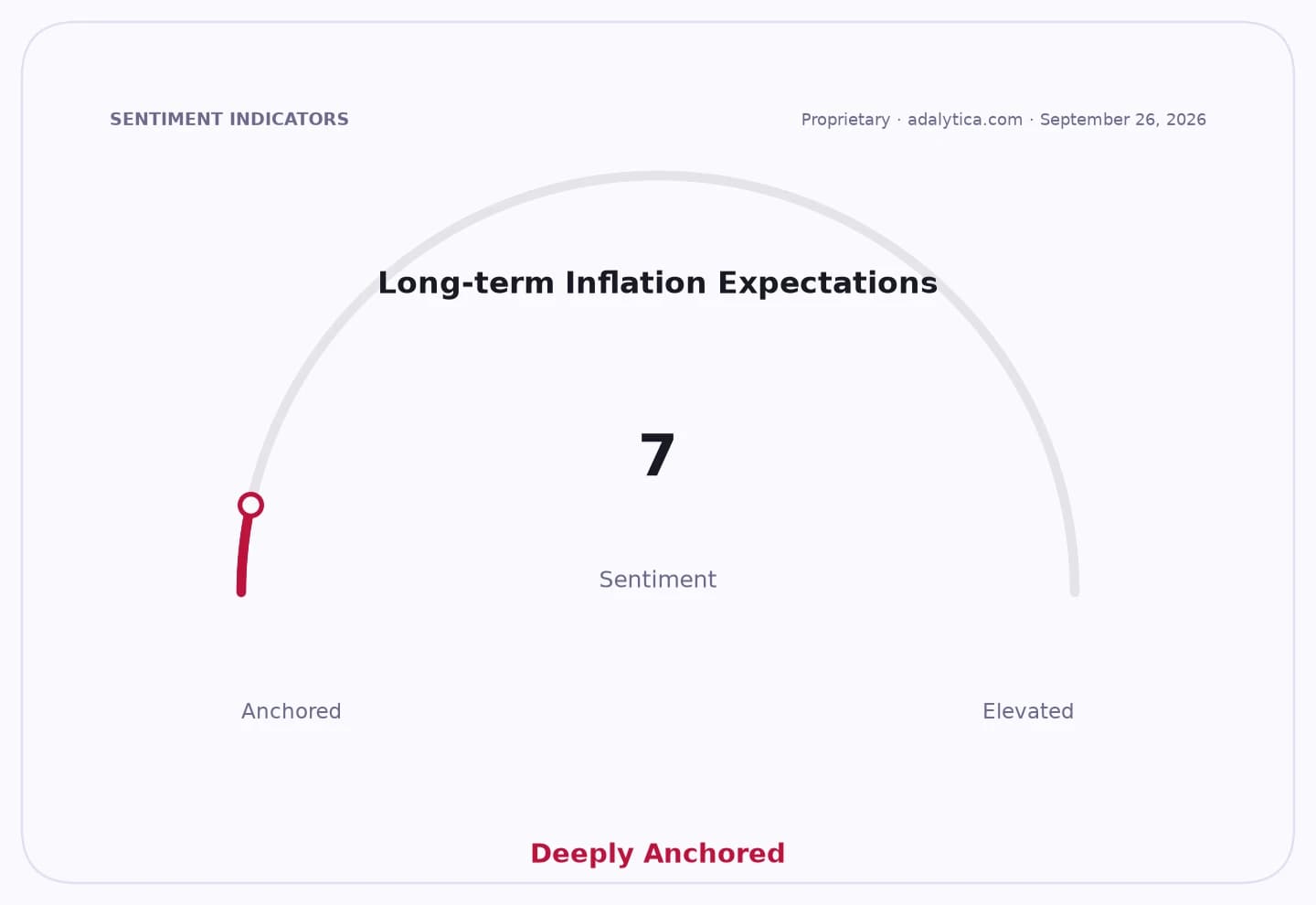
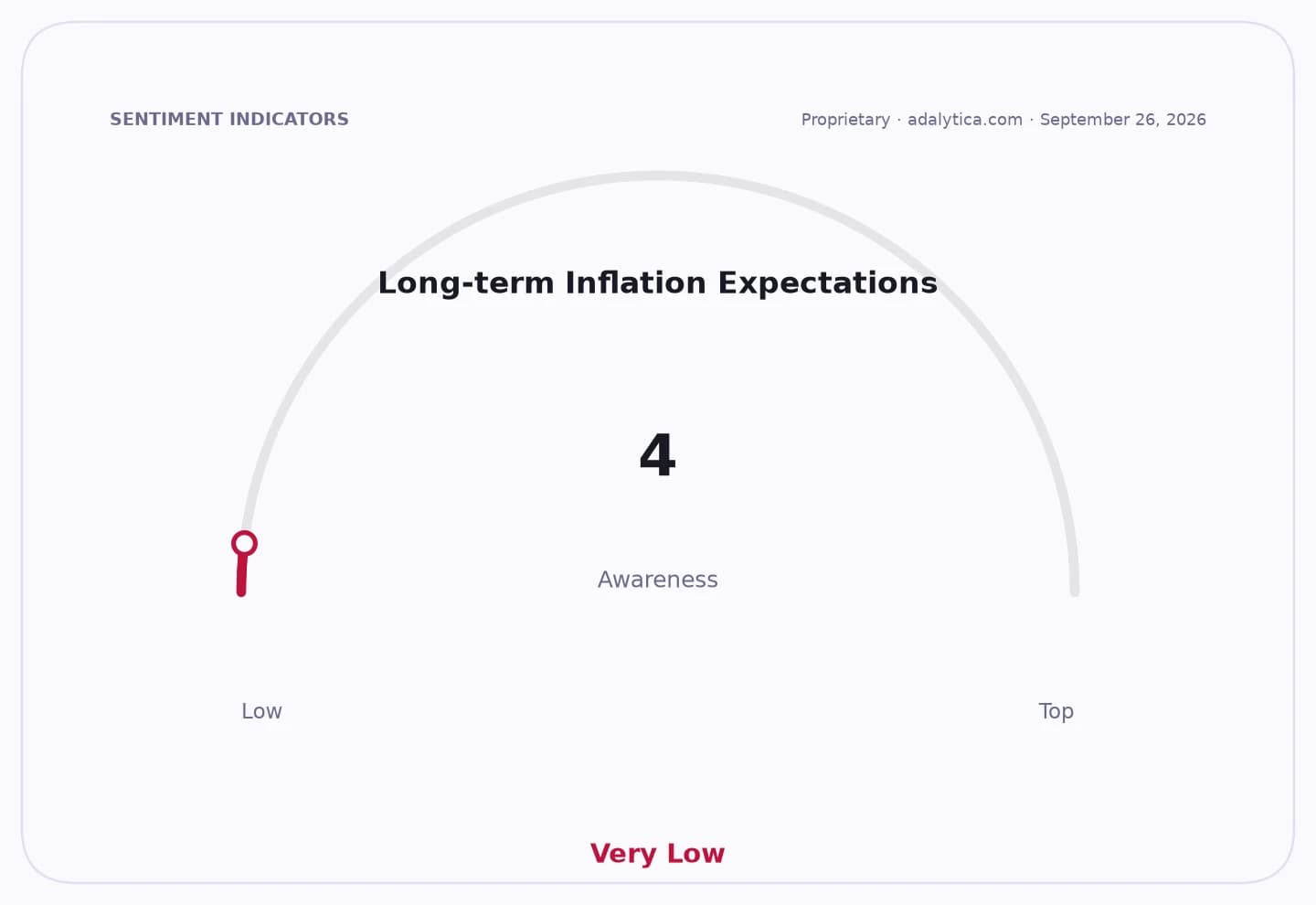
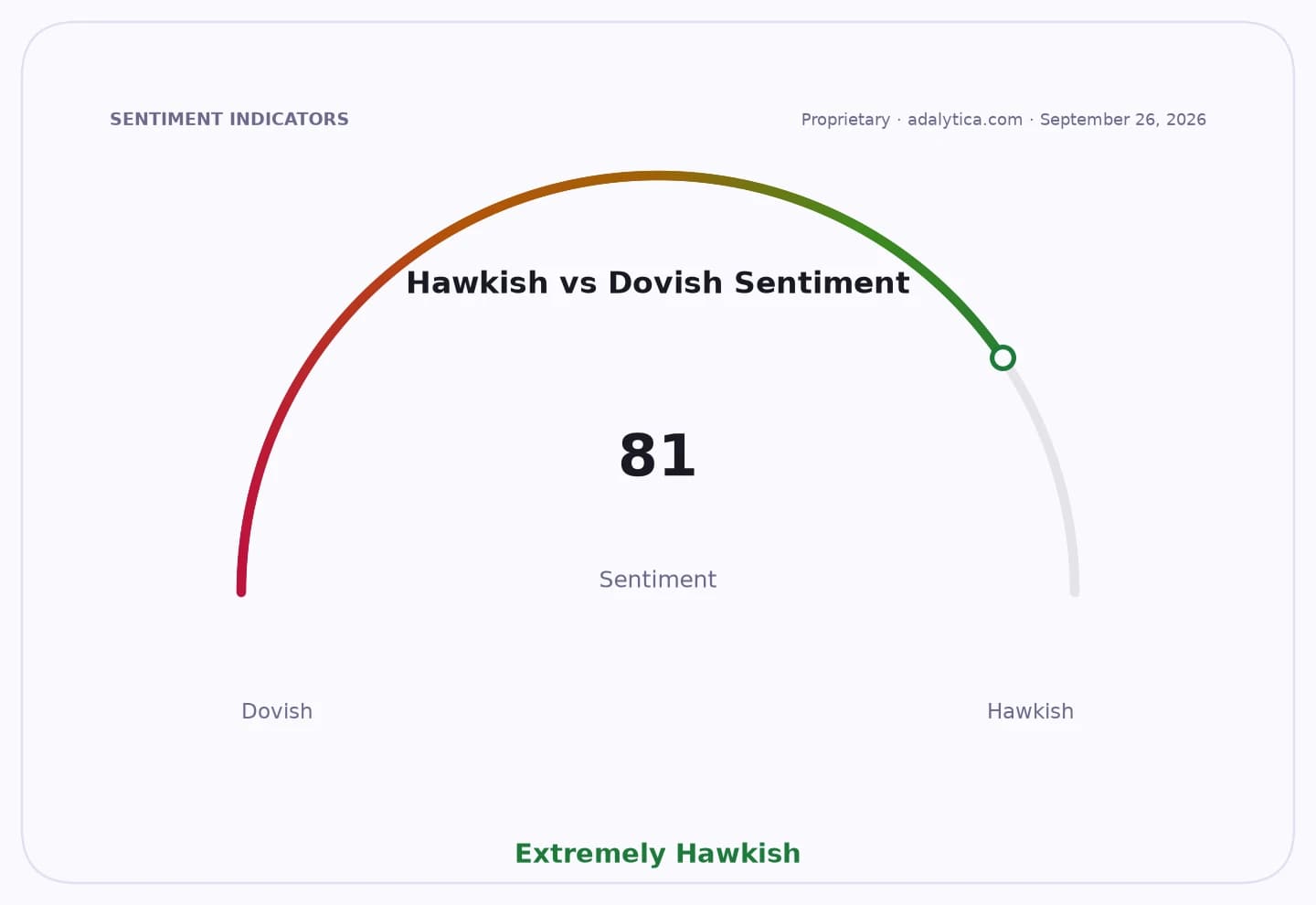
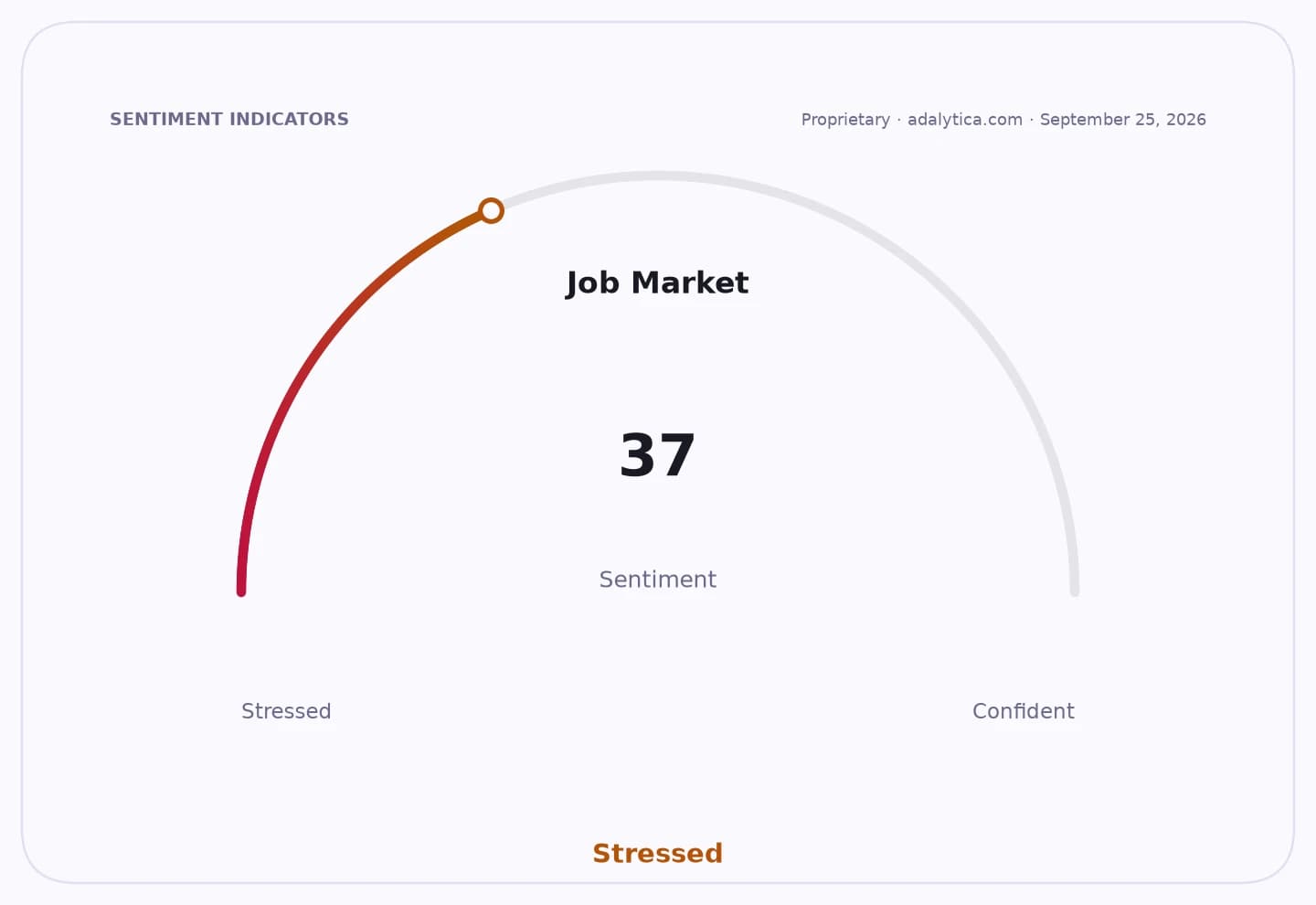
Sentiment IndicatorsⓘProprietary · adalytica.com · August 17, 2026
This is a snapshot — live sentiment, awareness and momentum for 130+ markets update continuously in the dashboard.Open AlphaPulse
That dynamic is central to Melbourne’s property cycle. The latest available data show US house-price measures climbing again and a forecast for further gains, while Australian-listed property groups have been navigating a more selective market for capital and tenants. At the same time, Melbourne’s housing conditions have been patchy, with some high-profile sales underwhelming while a handful of trophy assets still deliver outsized returns. The fire-damaged sale fits that split market: not all real estate is behaving the same, and the difference is increasingly down to asset quality, land scarcity and the cost of rebuilding.
For investors and developers, the takeaway is that distressed residential property can still command strong pricing when zoning, land size or inner-city location offset the repair bill. That creates opportunity for buyers with construction expertise and tolerance for risk, but it also raises the bar for ordinary owner-occupiers who must compete with capital-strapped renovators and speculative bidders. Sellers, meanwhile, may find that even damaged homes can achieve surprisingly high outcomes if the underlying site is compelling enough.
The broader story is less about one extraordinary auction than about a market in which value is increasingly being separated from presentation. In a softer environment, buyers are not just purchasing a house; they are pricing in optionality, redevelopment and future scarcity. That helps explain why a fire-damaged squatter house could still cross seven figures, and why Melbourne’s property market remains capable of producing eye-catching results even when conditions are far from buoyant.
| Entity | Gains | Losses |
|---|---|---|
| Melbourne landowners | ▲Scarcity value | ▼Repair and holding costs |
| Developers/renovators | ▲Deep-value opportunities | ▼Execution and rebuild risk |
| Owner-occupier buyers | ▲Rare entry points | ▼Competition from speculative bidders |
| Distressed sellers | ▲Unexpectedly strong prices | ▼Higher discount for damage |