Menzies Aviation is betting that the future of cargo handling belongs to operators that can combine physical capacity with digital muscle, as global trade flows become more volatile and parcel-heavy traffic keeps rewriting the rules of air freight.
Menzies Aviation cargo volumes rise as digital push expands
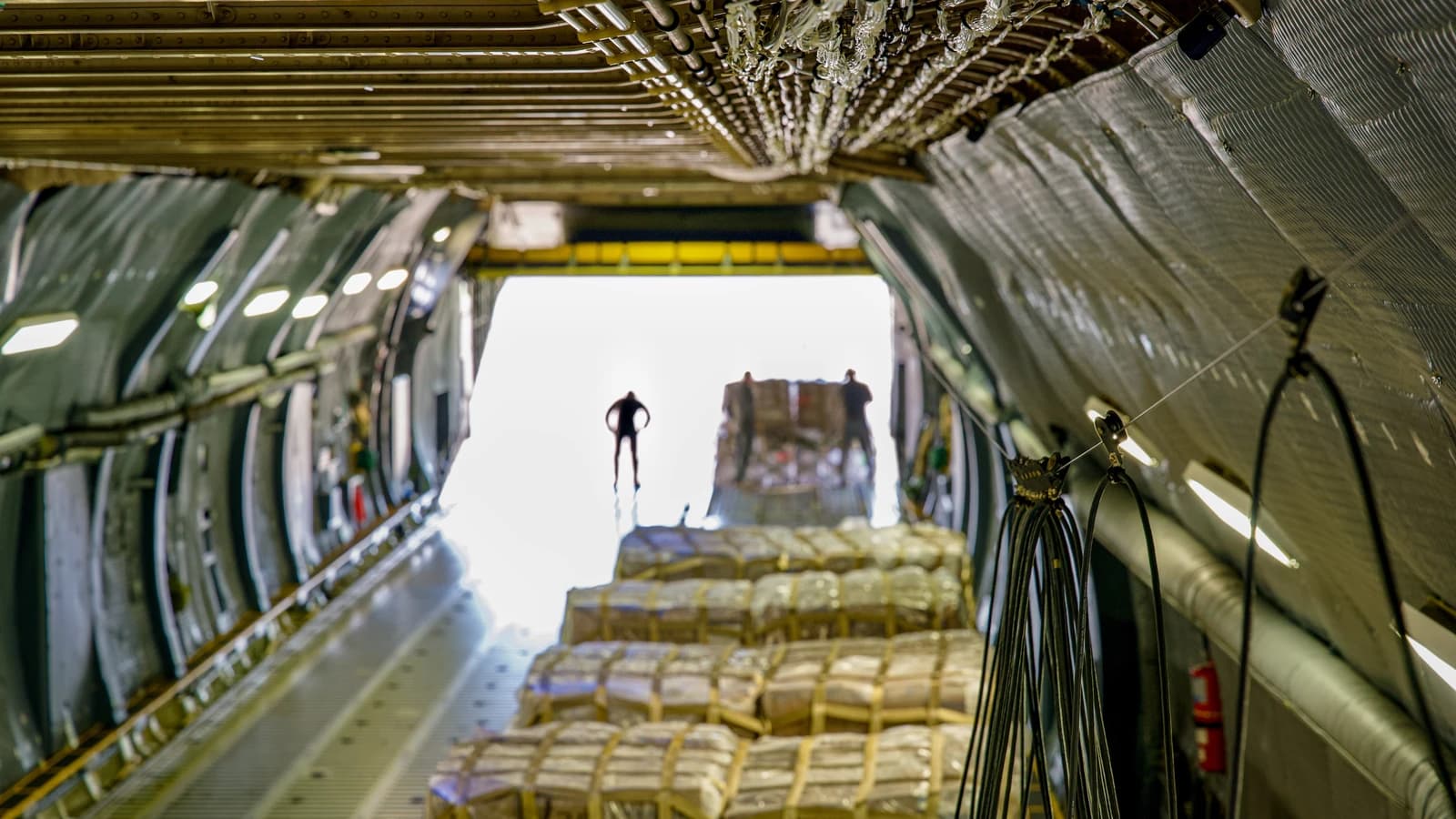
That matters because the cargo business is no longer just about moving pallets through warehouses. For handlers like Menzies, the winners will be the firms that can process more parcels, clear customs faster, and keep cargo moving even as tariffs, fuel costs and geopolitical disruptions force airlines and shippers to reroute traffic. That is a structural shift with long-term implications for margins, capital spending and customer stickiness.
Sentiment Indicators
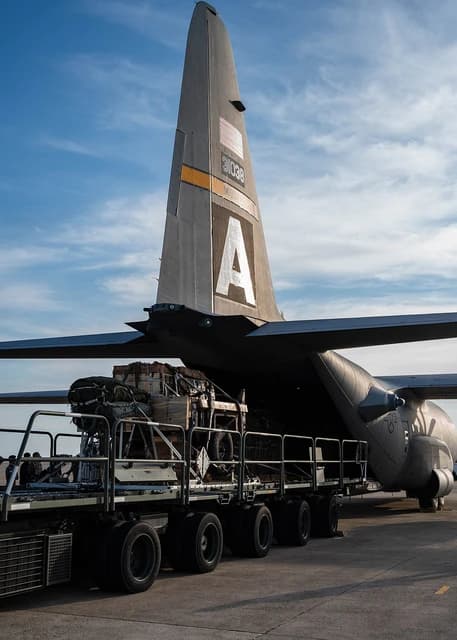
Menzies said cargo volumes across its global network continued to grow in 2026, with aircraft turns up 8% year on year to 1.2 million and cargo volumes rising 7% to 620,000 tonnes in its most recent quarter. Demand has been strongest in e-commerce, express, pharmaceutical and other time-critical shipments, the kinds of flows that require speed, visibility and more hands-on processing than traditional general cargo.
But the growth has not been even. Trade-policy changes, geopolitical disruption and constrained airspace are altering established routes, while higher fuel costs and tariff uncertainty are making customers more selective about capacity. In July, jet fuel prices were 56.9% higher than a year earlier, underscoring how quickly cost pressure can ripple through the air cargo chain.
One of the clearest examples is China-to-Europe e-commerce, where Menzies says traffic has moderated after the European Union introduced a €3 charge for low-value imports. Internal analysis showed tonnage from China and Hong Kong to Europe fell about 9% month on month in July, with Hong Kong down around 19%. That does not necessarily mean consumer demand is collapsing, but it does show how policy changes can reshape the economics of cross-border parcel flows almost overnight.
For investors, the bigger takeaway is that cargo handlers are being forced to invest just to keep pace. The old model of moving consolidated shipments is giving way to one built around millions of individual parcels, each needing parcel-level data, rapid customs processing, digital scanning and exception management. That raises the bar for operational execution, but it also creates an opening for scale players with the balance sheet and network to build better systems than smaller rivals.
Menzies is leaning into that shift. Its MACH cargo management platform is now deployed across 50 airports, has processed more than 1.6 million air waybills and manages about 55% of the company’s network cargo tonnage. The company has added digital payments through Quick Pay and is piloting AI-powered measurement and build-up technology at London Heathrow to improve data quality and loading efficiency. Those investments may look incremental, but over time they can help reduce friction, speed cargo release and deepen customer reliance.
The company is also expanding where it sees durable demand. In Western Sydney, Menzies has opened a 12,500 square metre facility capable of handling up to 200,000 tonnes annually. In Auckland, it has launched the airport’s first dedicated airside cargo terminal, doubling its operational footprint in New Zealand. Both markets are being supported by e-commerce, express, pharmaceutical and specialist cargo flows, as well as the need for facilities that offer resilience and around-the-clock handling.
That is the real story here: air cargo is becoming more specialized, more digital and more fragmented by policy and geopolitics, and handlers that can adapt should have a long runway. The risk is that volatility stays elevated, making volume forecasting and pricing harder. The opportunity is that companies with scale, technology and local execution can turn complexity into a competitive moat.
For long-term investors, Menzies looks like a business positioned for a more demanding cargo cycle, not a quieter one. If global trade keeps growing and parcel traffic keeps expanding, the companies that can combine warehouses, software, customs expertise and operational reliability should have the most durable advantage. That makes Menzies worth watching as a compounding story, not just a logistics name.
| Entity | Gains | Losses |
|---|---|---|
| Menzies Aviation | ▲Higher-value cargo services | ▼Simple warehouse-only rivals |
| E-commerce and express shippers | ▲Faster digital processing | ▼Legacy handlers with weak systems |
| Customers needing specialist cargo | ▲More capacity and resilience | ▼Shippers facing tariff friction |
| Smaller cargo operators | ▲— | ▼Volume and technology disadvantage |