Car prices are being pushed higher by war-driven supply chain strains, surging freight costs and a weaker local import backdrop, according to the chairman of Egypt’s Automobile Dealers Association, as conflict in Ukraine and tensions around the Strait of Hormuz keep global trade and energy markets unsettled.
Egypt car prices rise on freight and FX costs
US Dollar
The key economic point is not just that imported cars are more expensive to move. It is that vehicle pricing in Egypt is now being shaped by a stack of external costs — dollar exchange rates, shipping insurance, fuel and production inputs — that can reprice the market even when local demand is steady. For an import-dependent market, those pressures filter through quickly to showroom prices and inventory availability.
Sentiment Indicators
Osama Abu Al-Majd said the Russia-Ukraine war and rising geopolitical risks in the Strait of Hormuz and the Red Sea have affected car prices through their impact on global trade flows and supply chains. He also pointed to repeated increases in international shipping costs and higher insurance premiums on cargoes, both of which raise landed costs for dealers and distributors before a car ever reaches the showroom.
The transmission mechanism matters for inflation. When freight and insurance costs rise, importers either absorb lower margins or pass those costs on. In a market already sensitive to foreign-exchange moves, the dollar becomes a second-order amplifier: a stronger greenback lifts the local-currency cost of imported vehicles, parts and production inputs, making price declines harder even if global factory prices stabilize.
The chairman also said the effect extends beyond transportation into energy and production costs, which matters because auto pricing is tied to the broader industrial cost base, not only the final shipment. That creates a wider inflationary loop for vehicle assemblers, parts suppliers and dealers, while local import restrictions can further squeeze supply and support higher prices.
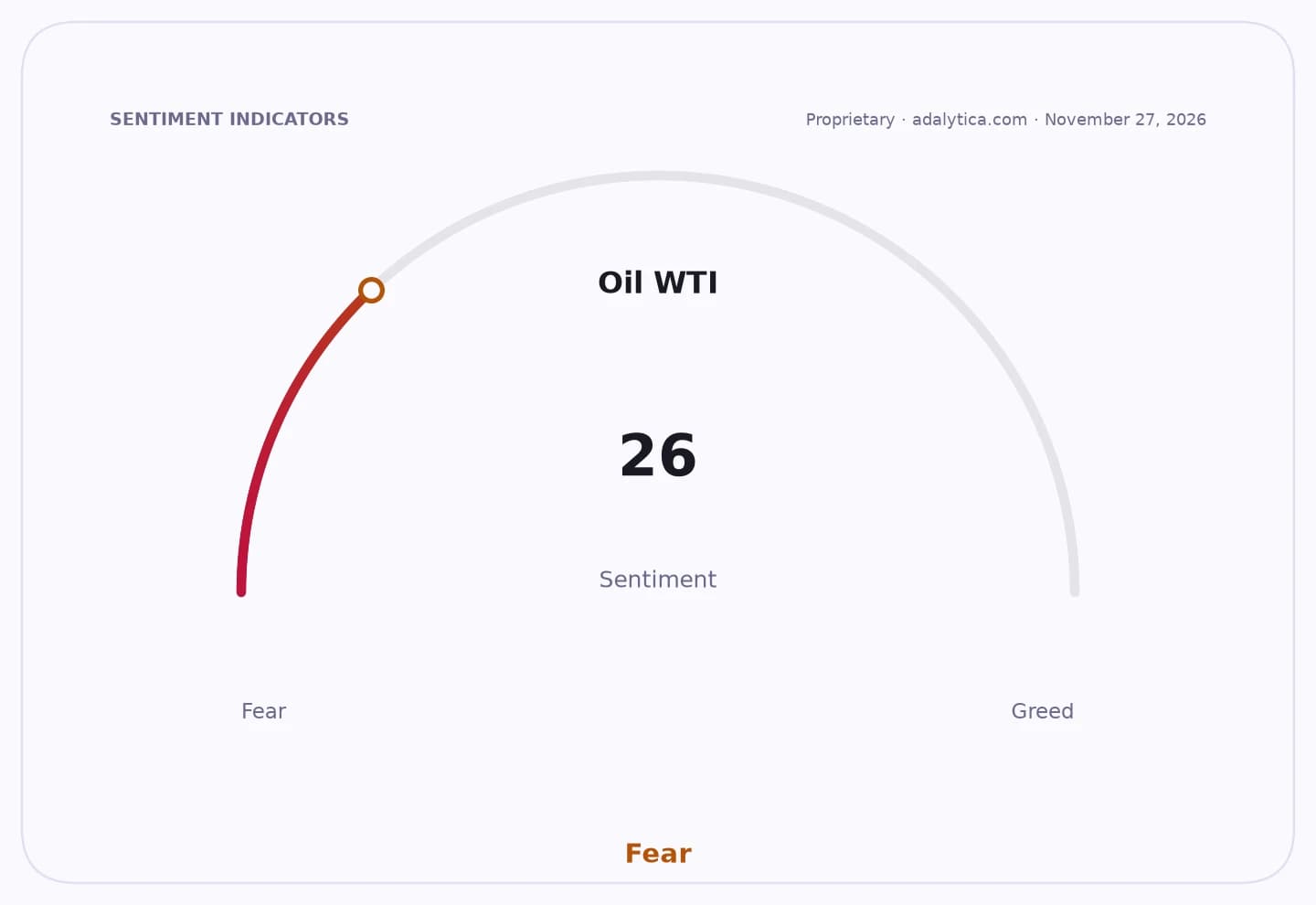
For investors, the story is a reminder that auto demand in emerging markets can be constrained less by consumer appetite than by the cost of moving goods through a geopolitically fragile trading system. Higher oil prices would feed directly into logistics and manufacturing costs, and the recent backdrop remains volatile: WTI crude has been trading around $80 a barrel, while global stability gauges point to elevated geopolitical stress.
The impact is mixed across the sector. Import-dependent dealers and buyers face higher prices and thinner affordability, while local assemblers and parts makers may gain some protection if import constraints limit competition. Global automakers, meanwhile, remain exposed to shipping disruptions and input-cost spikes, even as some supply chains have diversified since the pandemic.
For now, the pricing narrative in Egypt’s auto market is being driven less by domestic showroom competition than by geopolitics, freight and foreign exchange. Unless tensions ease and trade costs normalize, car prices are likely to stay elevated and volatility in supply will remain a central risk for both consumers and importers.
| Entity | Gains | Losses |
|---|---|---|
| Local assemblers | ▲Better pricing power | ▼ |
| Import-dependent dealers | ▲ | ▼Higher landed costs |
| Car buyers | ▲ | ▼Higher showroom prices |
| Global shippers/insurers | ▲Higher premiums and freight rates | ▼ |