Vietnam’s fuel prices have fallen to fresh lows after a sharp slide in global crude, cutting the cost of filling a Toyota tank and raising the odds of another retail-price cut later this week.
Vietnam fuel prices fall as crude slides
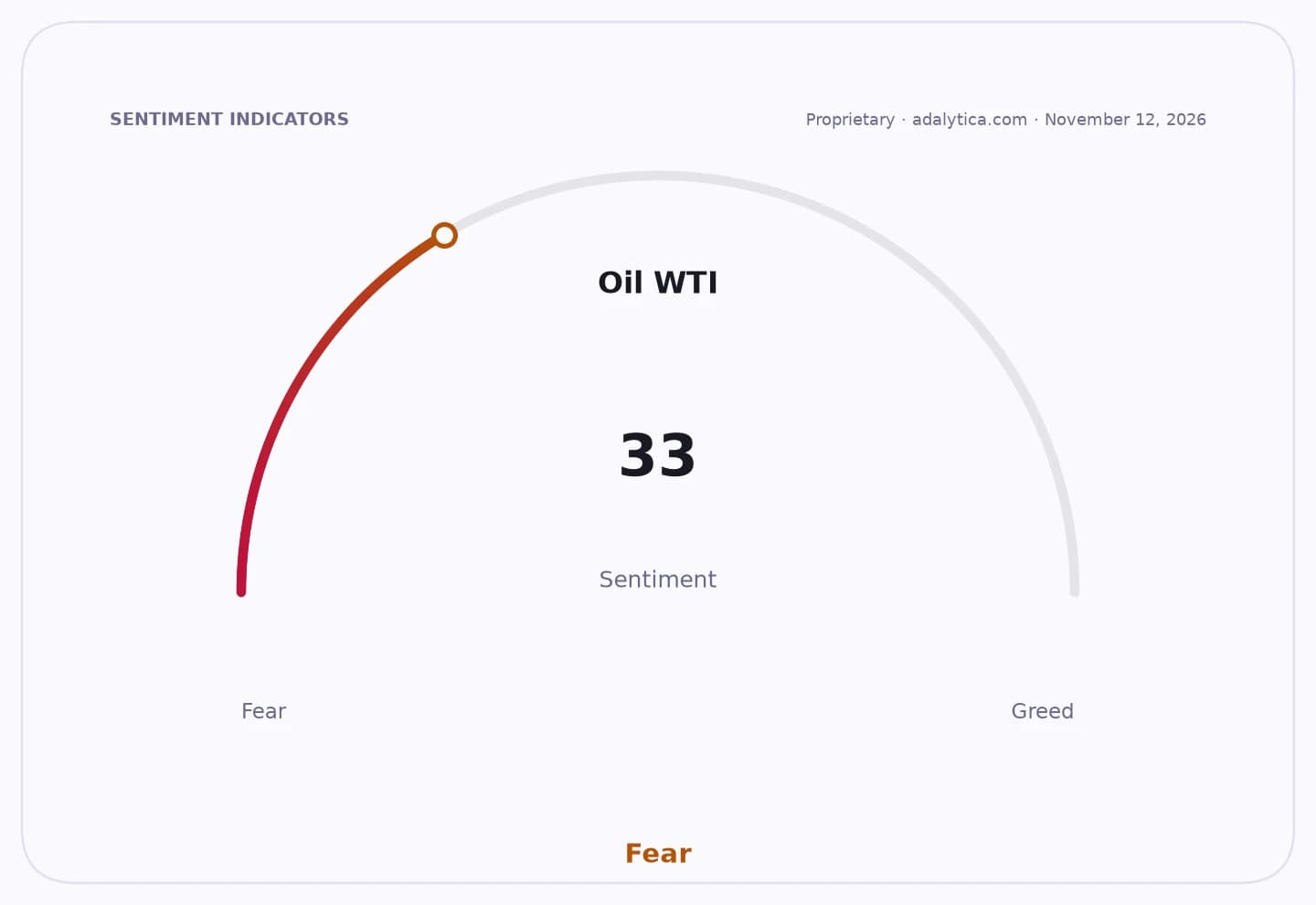
Oil WTI
The latest pricing cycle, effective Nov. 19, left E5 RON 92 at no more than 18,576 dong a litre and E10 RON 95 at 19,100 dong, both the lowest since the military flare-up between the United States and Iran, according to the data provided. Diesel was set at 26,347 dong a litre, while mazut also declined. For Vietnamese households, logistics firms and transport operators, the move eases one of the most visible input costs in the economy and could help cool near-term inflation at the margin.
Sentiment Indicators
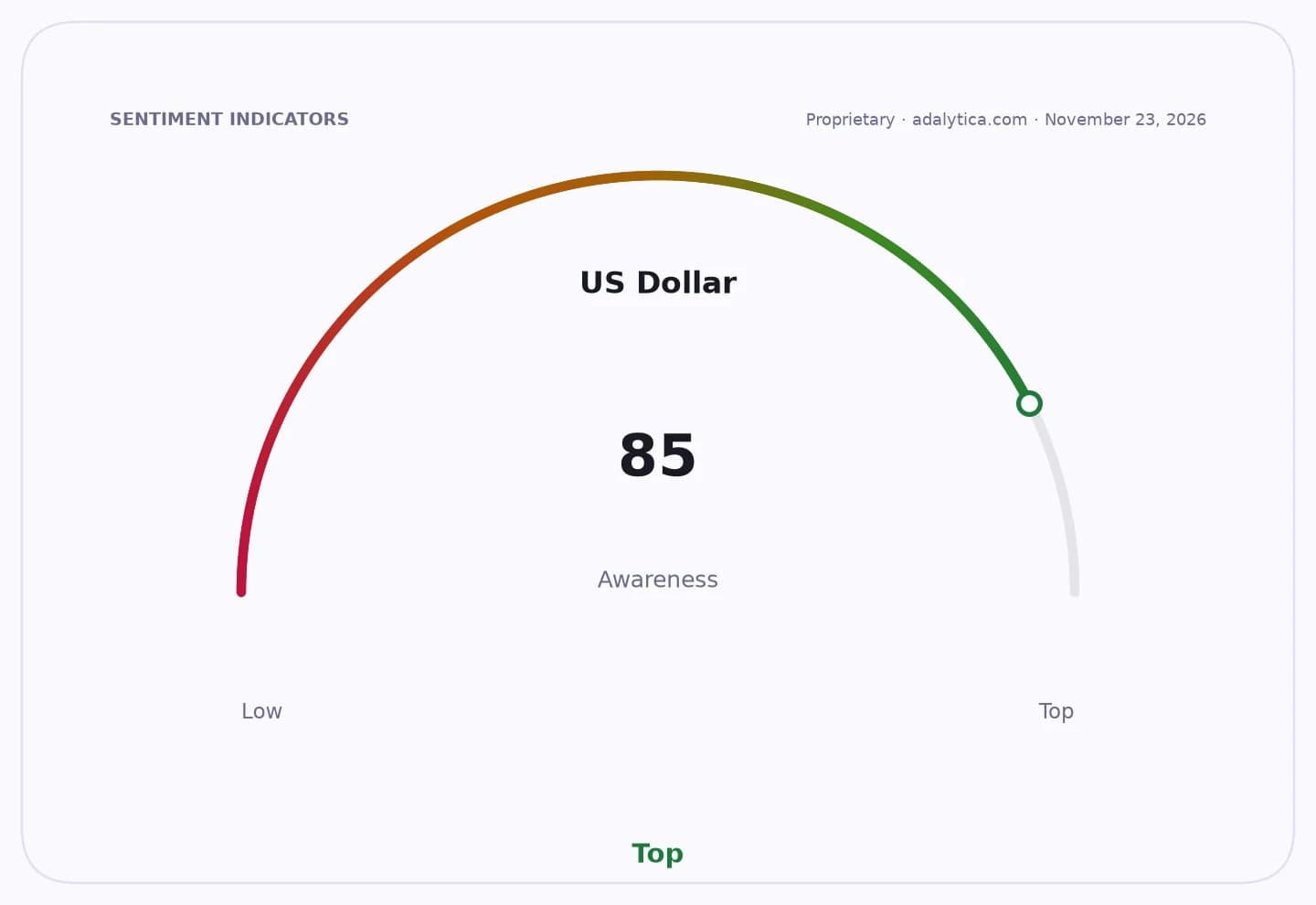
The decline is being driven by the global crude rout rather than domestic policy alone. WTI has slid to about $82 a barrel, down from more than $109 earlier in the month, while benchmark crude futures show the sharp selloff has pulled oil back toward the middle of this year’s trading range. Adalytica’s WTI Trade Signals put sentiment in “Fear” territory, with awareness at “Extreme Fear,” underscoring the speed of the reversal. The 10-year U.S. Treasury yield has also slipped to 4.91%, reflecting a softer macro backdrop and reinforcing expectations for weaker energy demand.
Vietnam’s Ministry of Industry and Trade is expected to review prices again on Nov. 26, with market participants anticipating another decline of about 500 to 1,500 dong a litre or kilogram if global product prices remain weak and the stabilization fund is not tapped aggressively. That would mark a sixth straight cut for gasoline, an unusual run that highlights how quickly imported energy costs transmit into domestic pump prices in an oil-importing economy.
The pass-through matters because fuel remains a key cost for consumer spending, freight, construction and agriculture. Lower gasoline and diesel prices improve margins for transport-heavy businesses and reduce pressure on household budgets, but they also signal weaker upstream energy pricing that can weigh on refiners, producers and energy-linked equities. The impact is especially visible for mass-market vehicles: a Toyota Corolla Cross, Camry or Yaris Cross running on gasoline or hybrid power will now cost materially less to refuel, while diesel models such as the Hilux or diesel Fortuner benefit from the drop in diesel as well.
Still, the outlook is not one-way. Bank of America has held its Brent forecast at an average of $80 a barrel through November 2026, suggesting analysts see a gradual normalization rather than a collapse in oil. Any rebound in geopolitical risk, especially around Middle East shipping routes, could quickly reverse the relief at the pump. For now, though, the immediate winners are Vietnamese motorists and fuel-intensive businesses, while upstream oil producers and traders positioned for higher prices are bearing the cost of the rout.
| Entity | Gains | Losses |
|---|---|---|
| Vietnamese motorists | ▲Lower fill-up costs | ▼Less protection from inflation |
| Transport and freight firms | ▲Cheaper operating fuel | ▼Fuel suppliers’ pricing power |
| Energy importers | ▲Smaller purchase bills | ▼Oil producers and refiners |
| Brent/WTI bears | ▲Price drop validates position | ▼Long crude exposure |