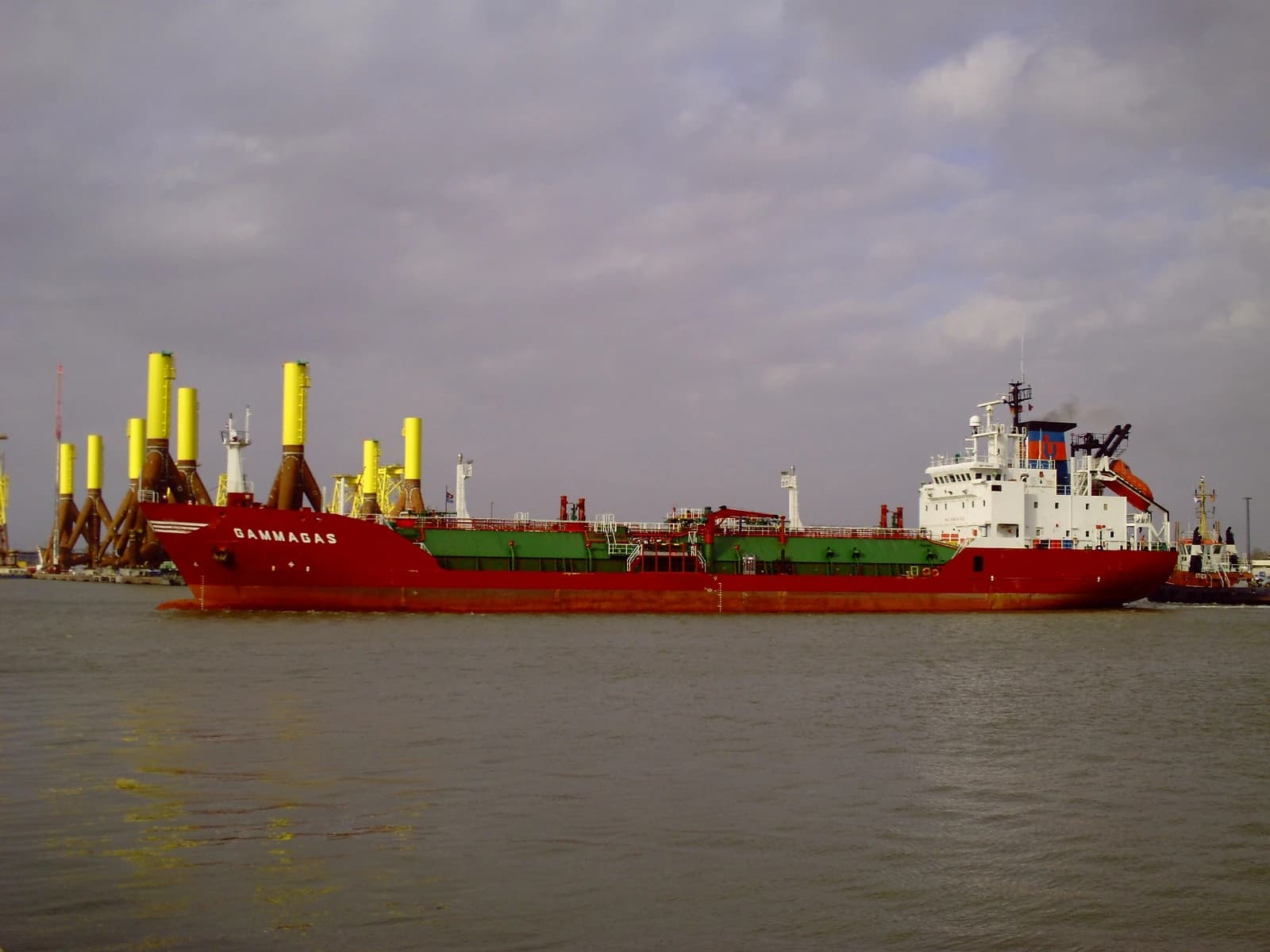
South Korea is trying to lock in preferential LNG access from Qatar before the next disruption in the Strait of Hormuz, a move that underscores how fragile global gas supply still is and why energy buyers are racing to secure cargoes from the world’s most strategic suppliers.
South Korea Seeks Qatar LNG Priority Access
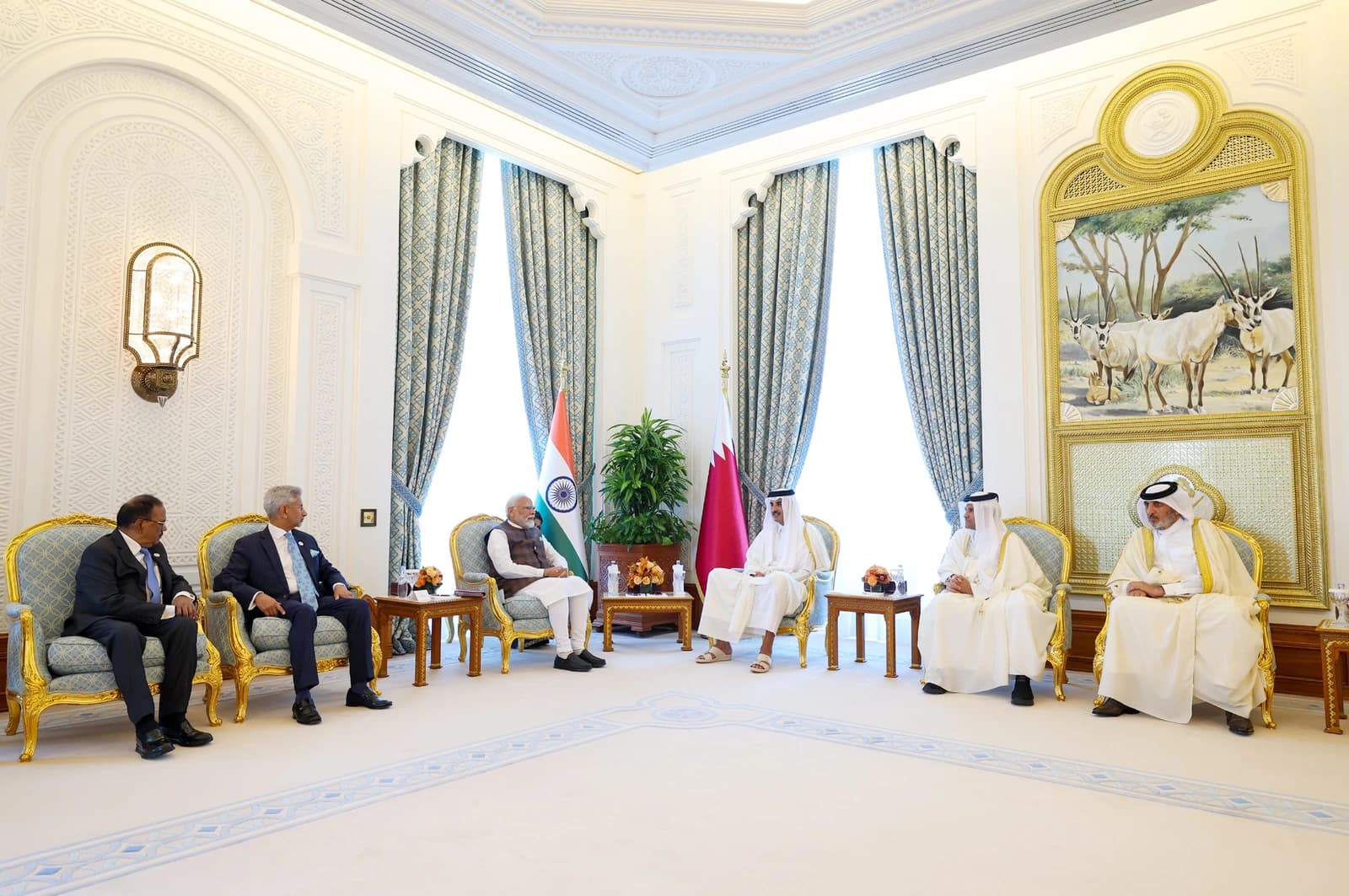
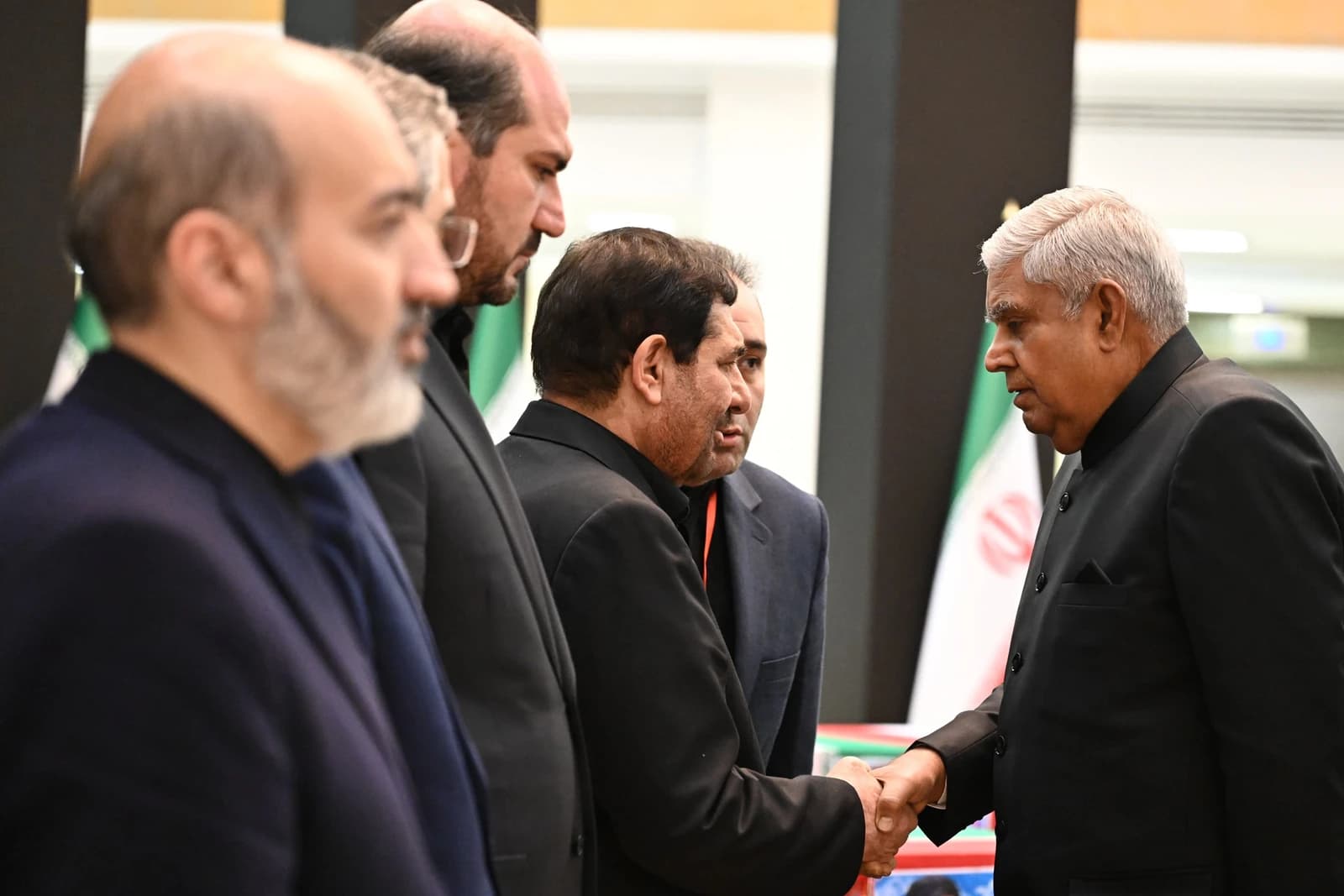
Trade, Industry and Resources Minister Kim Jung-kwan asked Qatar Energy State Minister Saad bin Sherida Al-Kaabi in Seoul to give South Korea priority once traffic through the strait returns to normal, according to Yonhap. That is not a diplomatic aside — it is a direct signal that Asian importers still see the Gulf route as a geopolitical choke point, even after some LNG exports from the region have resumed.
Sentiment Indicators
For South Korea, the economic logic is straightforward. The country is one of the world’s biggest LNG importers and depends on stable deliveries to power industry, heating and electricity generation. Any interruption at Hormuz would ripple through spot prices, shipping costs and utility procurement, forcing buyers to chase supply at higher margins. Securing a front-row place in Qatar’s export queue is a hedge against exactly that kind of volatility.
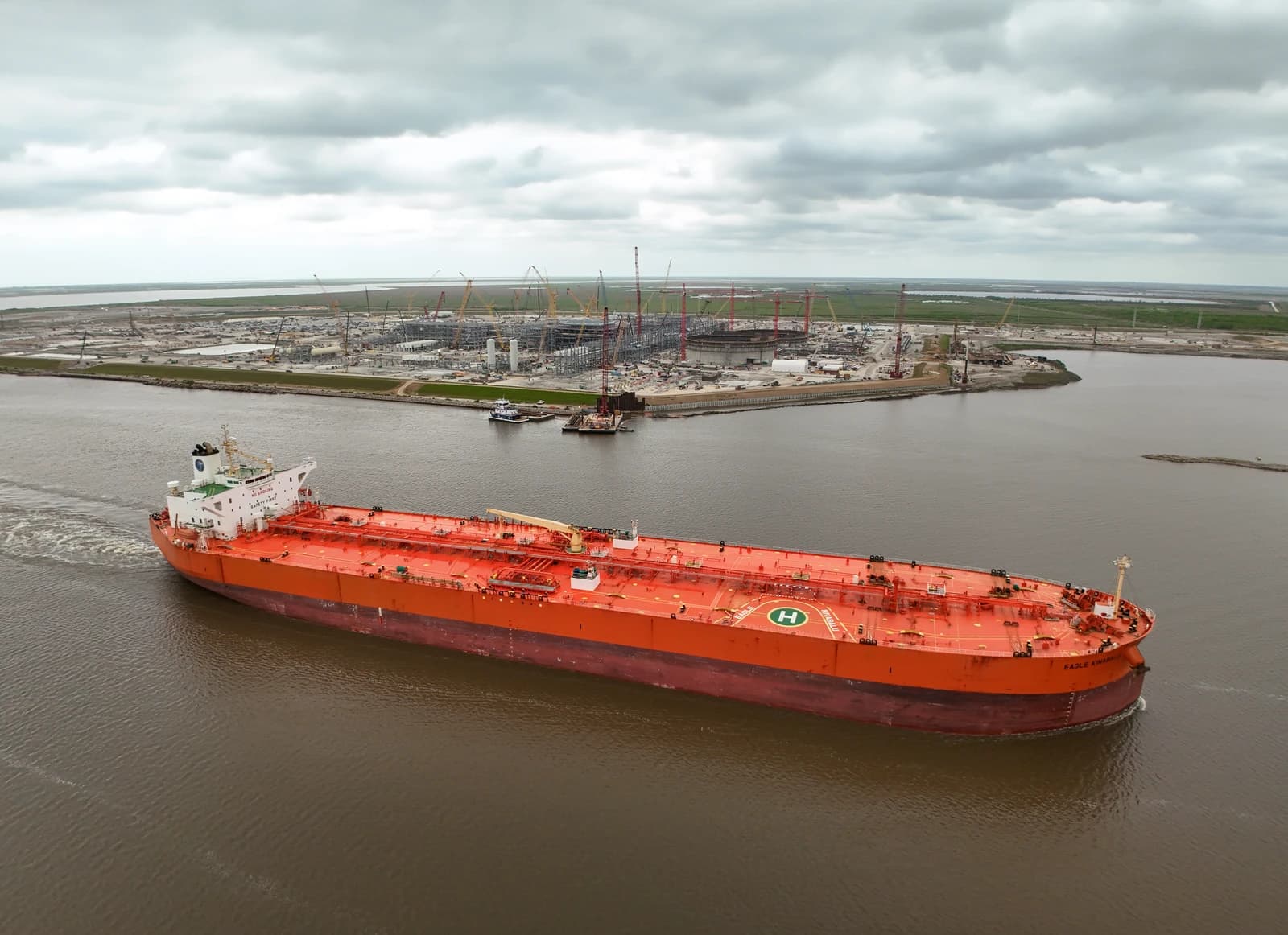
The market is already pricing in a world where LNG remains tight well into 2027, with global supply concerns still elevated despite new projects from Gulf suppliers and elsewhere. That makes every long-term relationship with a reliable exporter more valuable. Qatar, with some of the lowest-cost LNG in the world and outsized influence over contracted supply in Asia, sits near the center of that bargaining process.
Investors should read this as another sign that LNG is not just a commodity trade but a geopolitical infrastructure trade. When importers compete for priority cargoes, the beneficiaries are the producers with scale and the firms that own the ships, terminals and regasification assets that keep molecules moving. The losers are buyers forced into the spot market and any exporter without the same strategic leverage.
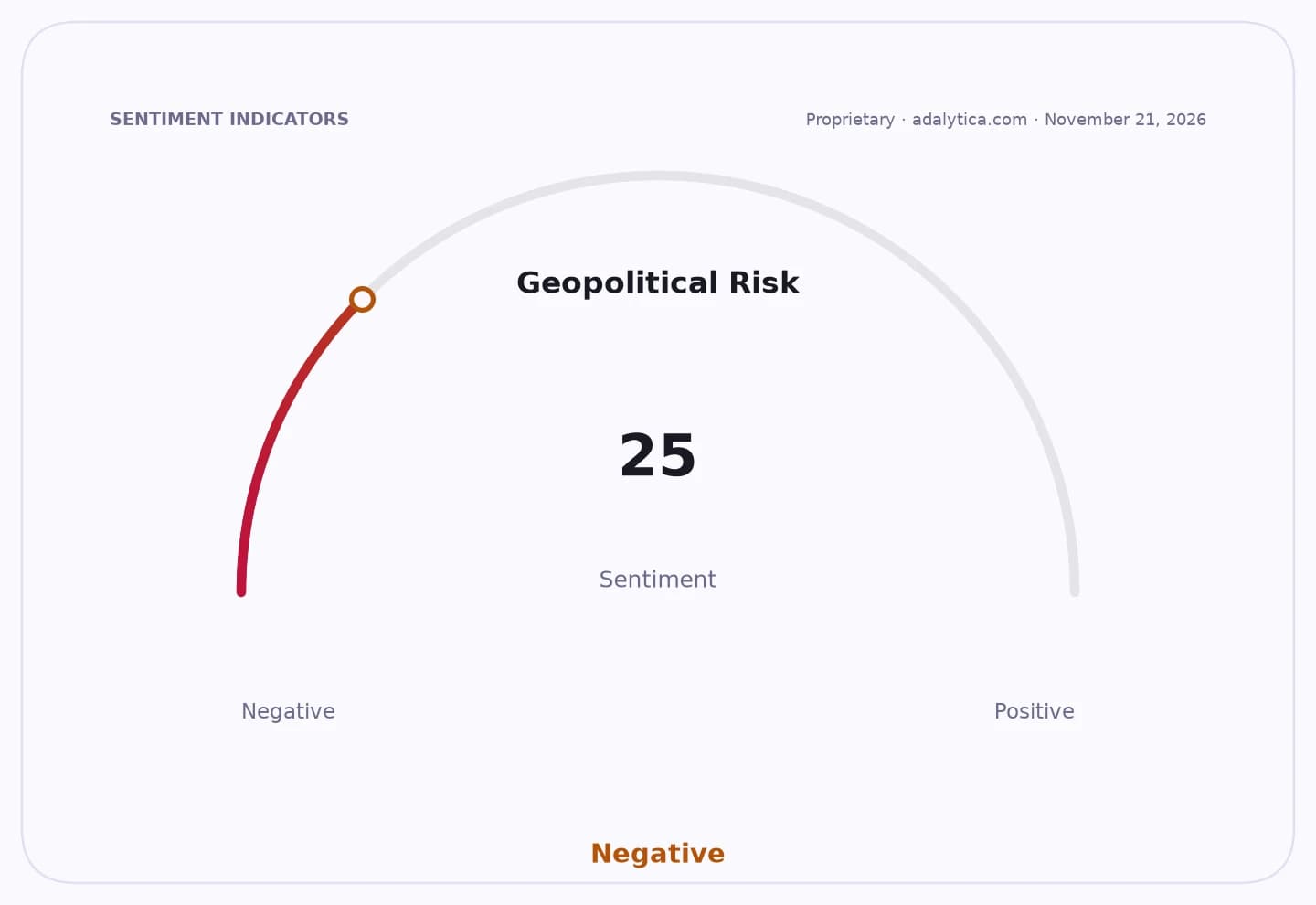
The price action in the gas complex reflects that tension. U.S. natural gas sentiment tracked by Adalytica remains in neutral territory, but awareness is still at “extreme fear,” showing how quickly traders are still conditioned to react to supply shocks. The broader global stability gauge is deep in “extreme fear” as well, reinforcing that energy markets are being driven as much by geopolitics as by weather or storage.
For equity investors, that keeps the bull case alive for large-scale LNG names and the supporting ecosystem. Cheniere Energy, which has been one of the clearest beneficiaries of the LNG buildout, remains the purest listed proxy for export demand. Shell, with its global LNG portfolio, also stands to benefit from persistent tightness and the premium attached to reliable supply. Even after recent share-price gains, the strategic value of contracted LNG capacity is still being underestimated by a market that keeps treating disruptions as temporary.
The message from Seoul is simple: the scramble for reliable LNG is not over. As long as Hormuz remains a geopolitical risk and Asia keeps leaning on imported gas, the winners are the suppliers that can promise continuity — and the investors positioned in the infrastructure and export names that sit behind that continuity. This is still a buy-the-picks-and-shovels market, not a sell-the-risk one.
| Entity | Gains | Losses |
|---|---|---|
| Qatar Energy | ▲More leverage on cargo allocation | ▼None if supply stays tight |
| South Korea | ▲Better supply security | ▼Higher bargaining pressure |
| LNG exporters with scale | ▲Stronger pricing power | ▼Smaller rivals |
| Spot-market buyers | ▲— | ▼Volatile prices, tighter access |