DNV’s decision to join Samsung Heavy Industries on a nuclear-powered LNG carrier is a meaningful step toward rewriting the economics of global gas shipping, and the market is underestimating how disruptive that could be for the entire LNG value chain.
Samsung Heavy and DNV Back Nuclear LNG Carrier
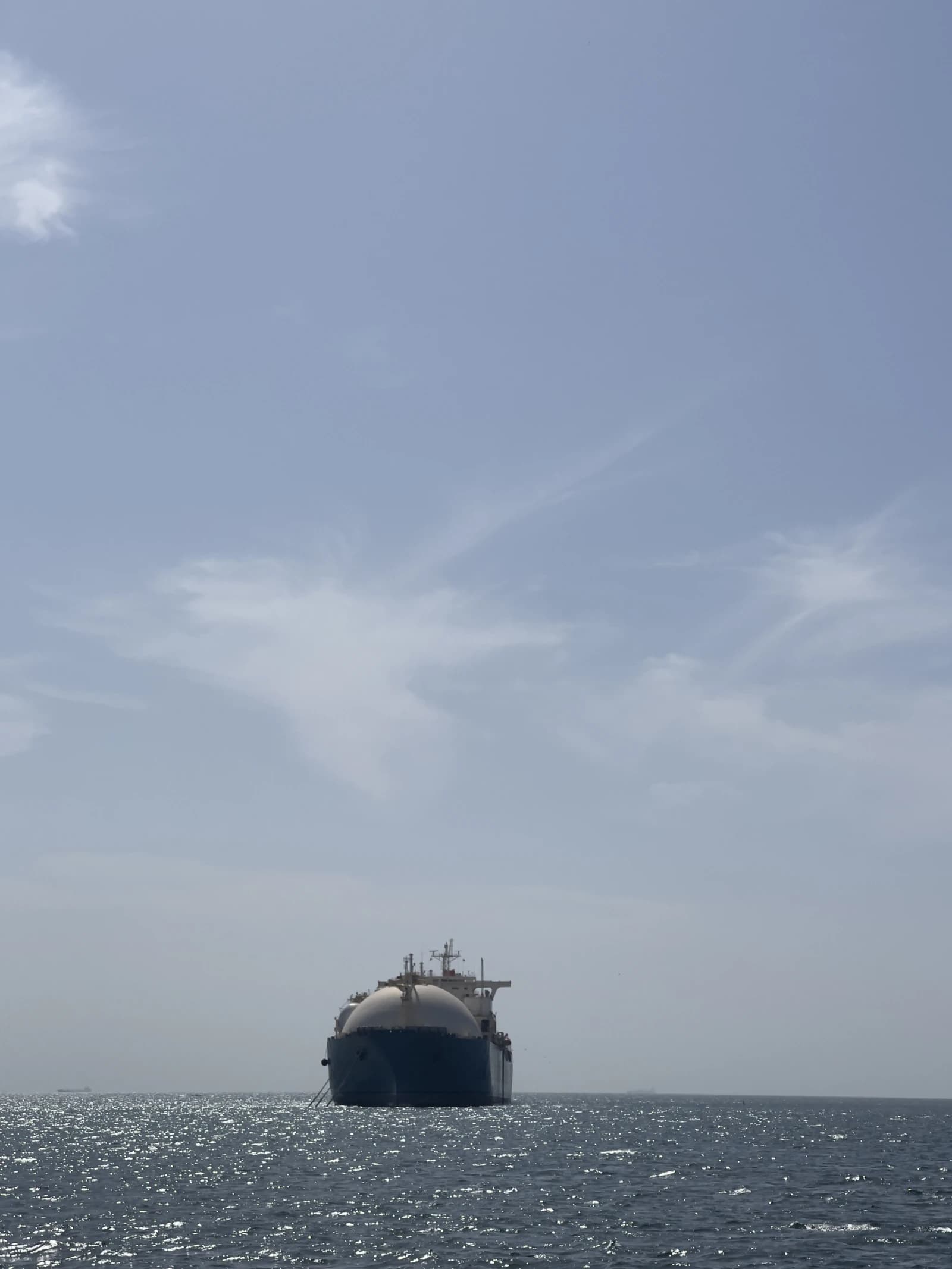
If the concept survives engineering and regulatory scrutiny, it could eventually slash fuel costs, reduce emissions and ease one of the LNG market’s biggest bottlenecks: the shortage of efficient long-haul transport. That matters because LNG trade is becoming more constrained just as Europe and Asia keep competing for cargoes, a dynamic that has already pushed buyers to pay up for supply and left the market vulnerable to geopolitical shocks.
Sentiment Indicators
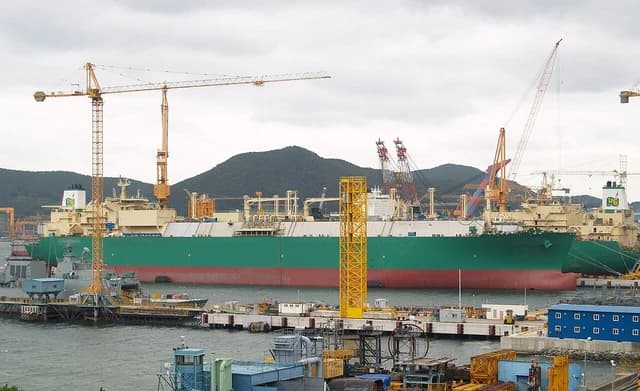
For shipbuilders, the project is a statement that the next wave of maritime investment is moving beyond conventional propulsion and toward advanced nuclear technology. For LNG producers and exporters, it hints at a future where shipping constraints matter less and long-distance trade becomes more flexible. For investors, the real opportunity is not just in gas itself, but in the industrial picks-and-shovels that make the trade work: Korean shipyards, classification societies, nuclear engineering services and specialized marine systems.
That thesis fits a broader market backdrop. The global LNG market remains tight, with demand still outrunning the reliability of supply chains even as new export capacity is planned. ConocoPhillips, for example, has already lifted future contractual purchase obligations by about $9 billion tied to LNG offtake and vessel commitments, underscoring how capital-intensive and infrastructure-heavy this market has become. At the same time, geopolitical risk remains elevated, with recent security incidents in key shipping lanes reinforcing the value of safer, more resilient transport.

Shares of Cheniere and ConocoPhillips have both reflected the market’s hunger for LNG exposure, but the longer-term upside may increasingly sit with the enabling infrastructure rather than the molecules alone. Samsung Heavy and DNV are positioning themselves early in what could become a multi-year race to commercialize next-generation shipping. The market often prices these projects as distant science experiments; I believe that misses the point. In a world of energy security, supply scarcity and decarbonization pressure, the first credible nuclear LNG carrier could become a strategic template, not a novelty.
For investors, the actionable takeaway is straightforward: watch the industrial enablers of LNG expansion and maritime decarbonization before the rest of the market catches up. The upside may be asymmetric for the companies that control the engineering, certification and shipbuilding stack.
| Entity | Gains | Losses |
|---|---|---|
| Samsung Heavy Industries | ▲New high-margin project pipeline | ▼Conventional shipbuilders |
| DNV | ▲Higher relevance in nuclear-class approval | ▼Slow-moving regulators |
| LNG exporters | ▲Lower shipping bottlenecks | ▼Freight-constrained rivals |
| Oilfield/midstream investors | ▲Longer LNG trade runway | ▼Short-cycle gas bears |