China has delivered its first 180,000-cubic-meter LNG carrier, a milestone that could start to erode South Korea’s long-held dominance in the most technically demanding corner of the global shipbuilding market.
China Delivers First 180,000-cubic-meter LNG Carrier
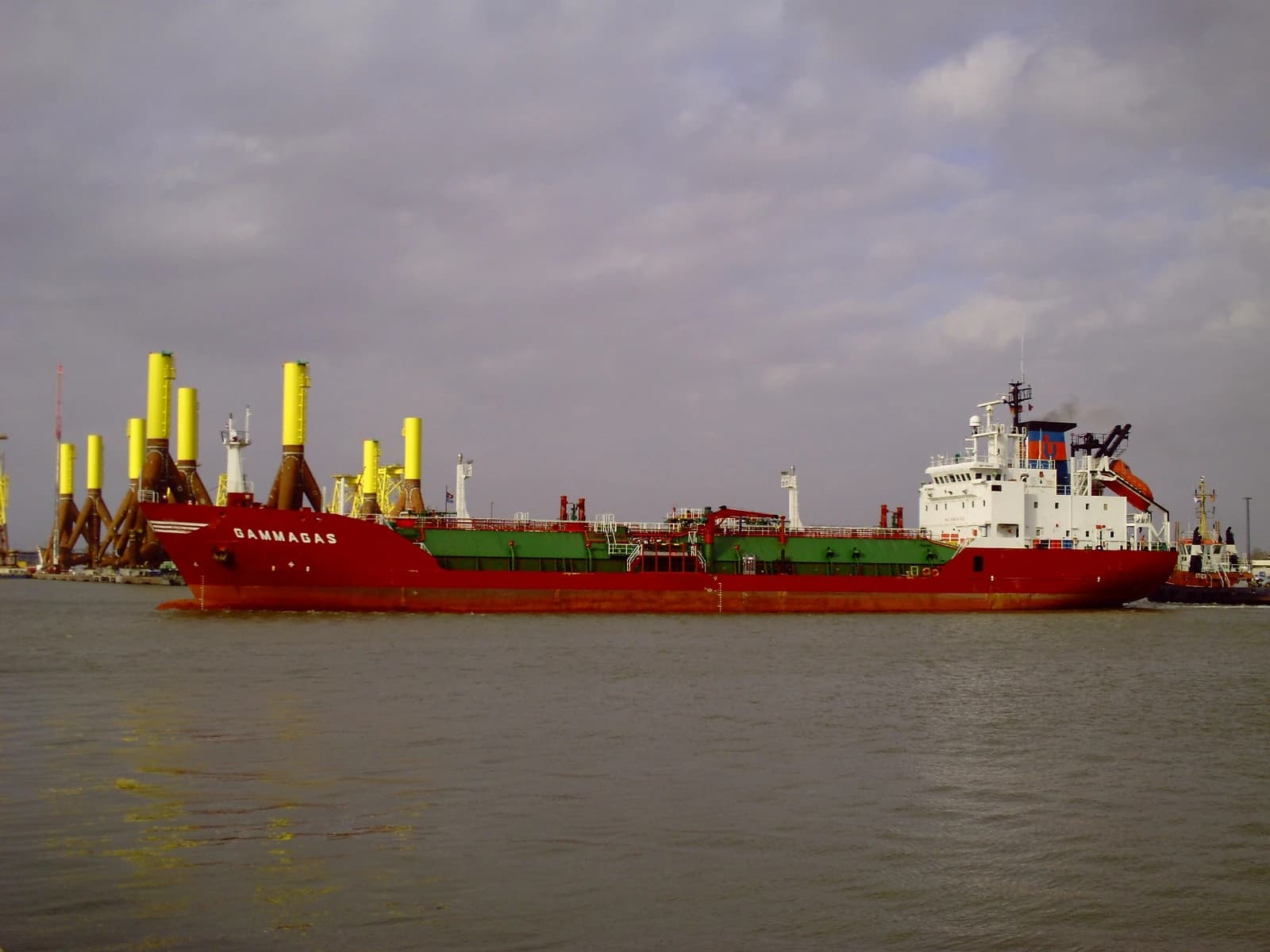
China Merchants Heavy Industries completed the vessel, named Celsius Georgetown, for Denmark’s Celsius Shipping after work that began in 2023. At 299 meters long and 96,000 deadweight tons, the ship is China’s largest LNG carrier to date and significantly bigger than the LNG tankers the country has built previously.
Sentiment Indicators
The delivery matters because LNG carriers sit at the high end of shipbuilding, where design complexity, cryogenic storage and propulsion systems can command far richer margins than standard cargo ships. China already took roughly 70% of global ship orders last year, but South Korean builders still control about 70% of the LNG carrier market, making the segment one of the last major strongholds for Korean yards.
The new ship also gives Chinese builders a concrete proof point for export customers. It uses dual-fuel, low-speed propulsion with two MAN engines and air lubrication for the hull, features intended to improve fuel efficiency and lower emissions, while the shipyard says the design supports low evaporation rates and stronger environmental performance.
China Merchants Heavy Industries named the vessel on April 8 and completed delivery on April 27, timing the handover so the ship could depart on the high tide. The vessel is now heading to Singapore and is registered in the Marshall Islands for Celsius Shipping.
For investors, the issue is whether Chinese yards can move from volume leadership to high-value specialization. If they can, it would pressure the premium pricing power of Korean shipbuilders and gradually reshape where profits are made across the global LNG supply chain, from yard orders to equipment suppliers and shipping finance.
China Merchants has five more large LNG carriers under construction for Celsius, with the next delivery expected in about three months and the contract running into early 2027. Other Chinese yards are also taking orders for the same class, raising the risk that Korea’s grip on the segment begins to loosen just as LNG trade remains a strategic growth market.
| Entity | Gains | Losses |
|---|---|---|
| China Merchants Heavy Industries | ▲Higher-value LNG orders | ▼Korean yard dominance |
| Chinese shipyards | ▲Entry into premium segment | ▼Perception of technical gap |
| South Korean builders | ▲Nothing immediate | ▼Market share in large LNG carriers |
| Celsius Shipping | ▲New large LNG carrier capacity | ▼Dependence on a single yard pipeline |