Mercedes-Benz is preparing to bring its new driver-assistance systems to Europe in 2027, a step that underscores how the race for semi-automated driving has shifted from headline-grabbing autonomy claims to slower, regulation-driven rollout.
Mercedes-Benz plans Europe driver-assist launch in 2027
The German carmaker is planning to introduce an upgraded highway assistant and a new city program under MB Drive Assist Pro, first in the US and China and then in Europe by mid-2027, according to the company’s product presentation. The timing matters because Europe has been one of the toughest markets for advanced driving software, forcing premium automakers to retreat from earlier level-3 ambitions and settle for less ambitious level-2-plus systems that still leave the driver legally responsible.
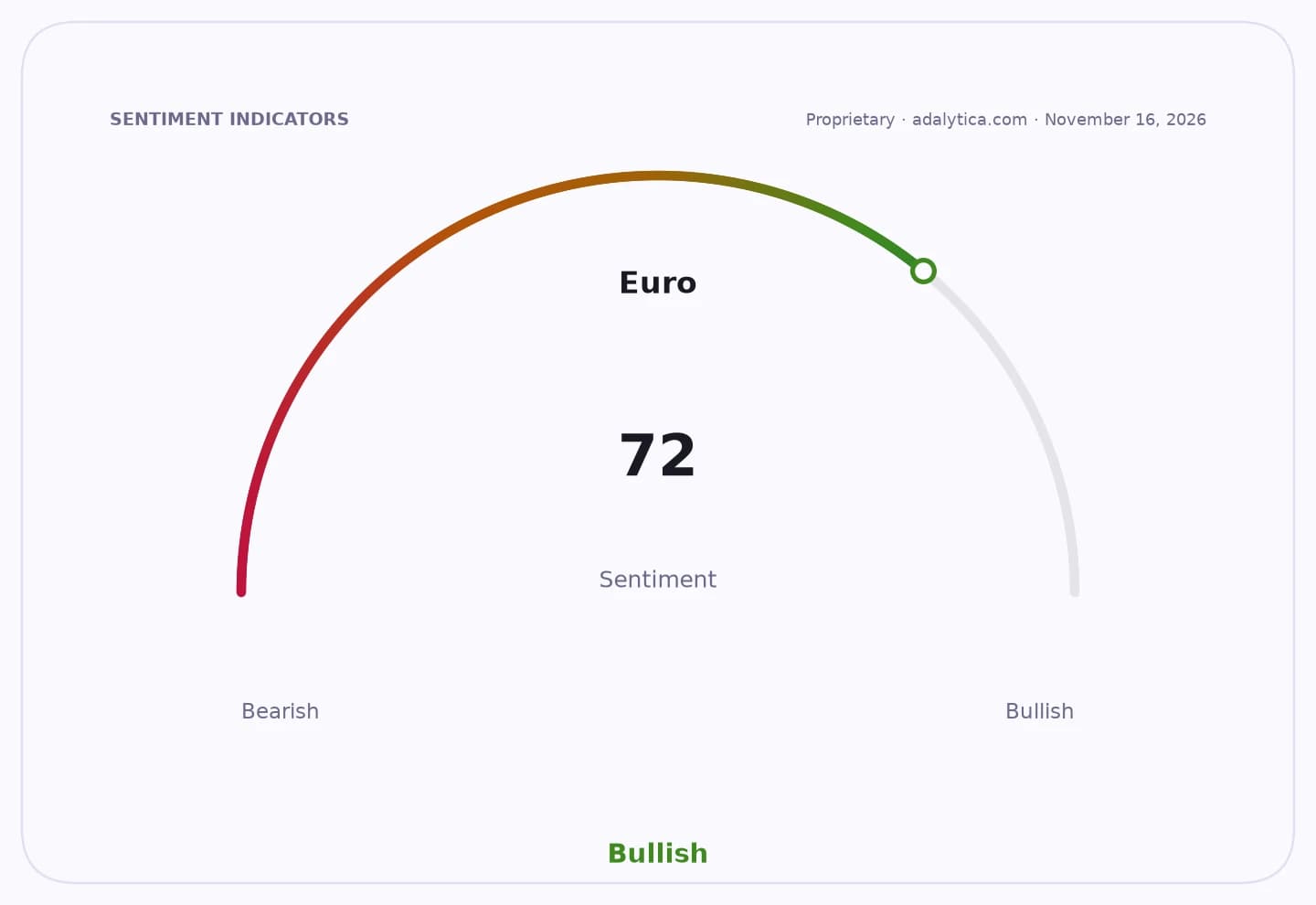
Sentiment Indicators
That makes Mercedes’ move both a competitive response and a regulatory concession. Tesla has already broadened its Full Self-Driving system beyond the US into some European markets, while BMW has been offering similar hands-free functionality on selected models. Mercedes’ own history in the segment has been uneven: its earlier level-3 system on the S-Class and EQS was limited to narrow conditions, expensive, and little used. The new offering is designed to be more practical, with hands-free driving on highways and point-to-point assistance in cities, but without shifting liability away from the driver.
The economic significance is not just about features. Driver-assistance software has become a margin battleground in premium cars, where automakers are trying to monetize digital services after years of heavy spending on sensors, compute and validation. Mercedes said pricing for Europe has not been set, but the structure will likely mirror rivals with monthly subscriptions or one-time fees. In the market, similar systems from US and Chinese competitors often cost about 50 to 100 euros a month after trial periods, or as much as 3,500 euros upfront. That creates a clear revenue pool if customers buy in, but also a risk that expensive software remains a niche option rather than a broad profit engine.
Mercedes is trying to argue that its system is more than a gimmick. The company says the new setup combines software, sensors and high-performance computing, including high-resolution cameras, radar and ultrasound, and is engineered to learn from use. In US testing, the system was able to handle highway lane changes, braking and acceleration, while the city assistant navigated dense San Francisco traffic, including stop signs, pedestrians and cable cars. Yet the limits remain important for investors: the driver must still watch the road, cannot read or sleep, and is expected to intervene in ambiguous situations. This keeps the product in level-2-plus territory, which is easier to certify but less transformative than the fully automated systems once promised by the industry.
For investors, the key question is whether these systems improve customer retention and pricing power enough to justify the cost of development. Mercedes, Tesla and BMW are all seeking to turn software into a higher-margin layer on top of hardware sales, but adoption will depend on reliability, regulatory approval and consumer willingness to pay. The stock-market backdrop is mixed. Tesla shares have been volatile but remain far above Mercedes’ US-listed ADR, while Mercedes ADRs have stayed under pressure, trading around $10.85 recently and well below their 200-day moving average of about $13.56, suggesting investors remain skeptical about the growth case.
There is also a broader industry narrative here: European automakers are not abandoning automated driving, but they are moving in smaller steps than US and Chinese rivals. The result is a more fragmented competitive field, where software rollout schedules, not just vehicle sales, increasingly shape valuation. Mercedes’ 2027 European launch gives it time to refine the product and navigate regulators, but it also leaves a long window in which Tesla and Chinese brands can keep pushing the market standard higher.
For now, the story is less about a breakthrough in autonomy than about a premium-car industry trying to monetize partial automation without overpromising. That makes 2027 a meaningful date for Mercedes, but also a test of whether customers in Europe will pay for convenience features that stop well short of true self-driving.
| Entity | Gains | Losses |
|---|---|---|
| Mercedes-Benz | ▲New software revenue potential | ▼Higher development and compliance costs |
| Tesla | ▲Competitive pressure on rivals | ▼More crowded hands-free segment |
| BMW | ▲Validation of premium ADAS demand | ▼Less differentiation if rivals match features |
| European regulators | ▲Safer, tightly bounded rollout | ▼Slower deployment of full autonomy |