Sen. Jeff Merkley is calling for a federal agency modeled on the FDA to vet artificial intelligence models before they reach the public, sharpening Washington’s debate over how quickly AI should be deployed and who bears the cost if something goes wrong.
Merkley Calls for FDA-Style AI Regulator

The Oregon Democrat said experts at a recent briefing backed the idea of a dedicated regulator that would review new models for safety, arguing that the pace of AI development has outrun lawmakers’ understanding of the risks. His remarks add to growing pressure in Congress for formal oversight as industry leaders and policymakers wrestle with whether AI should be governed like drugs, chips or other high-risk technologies.
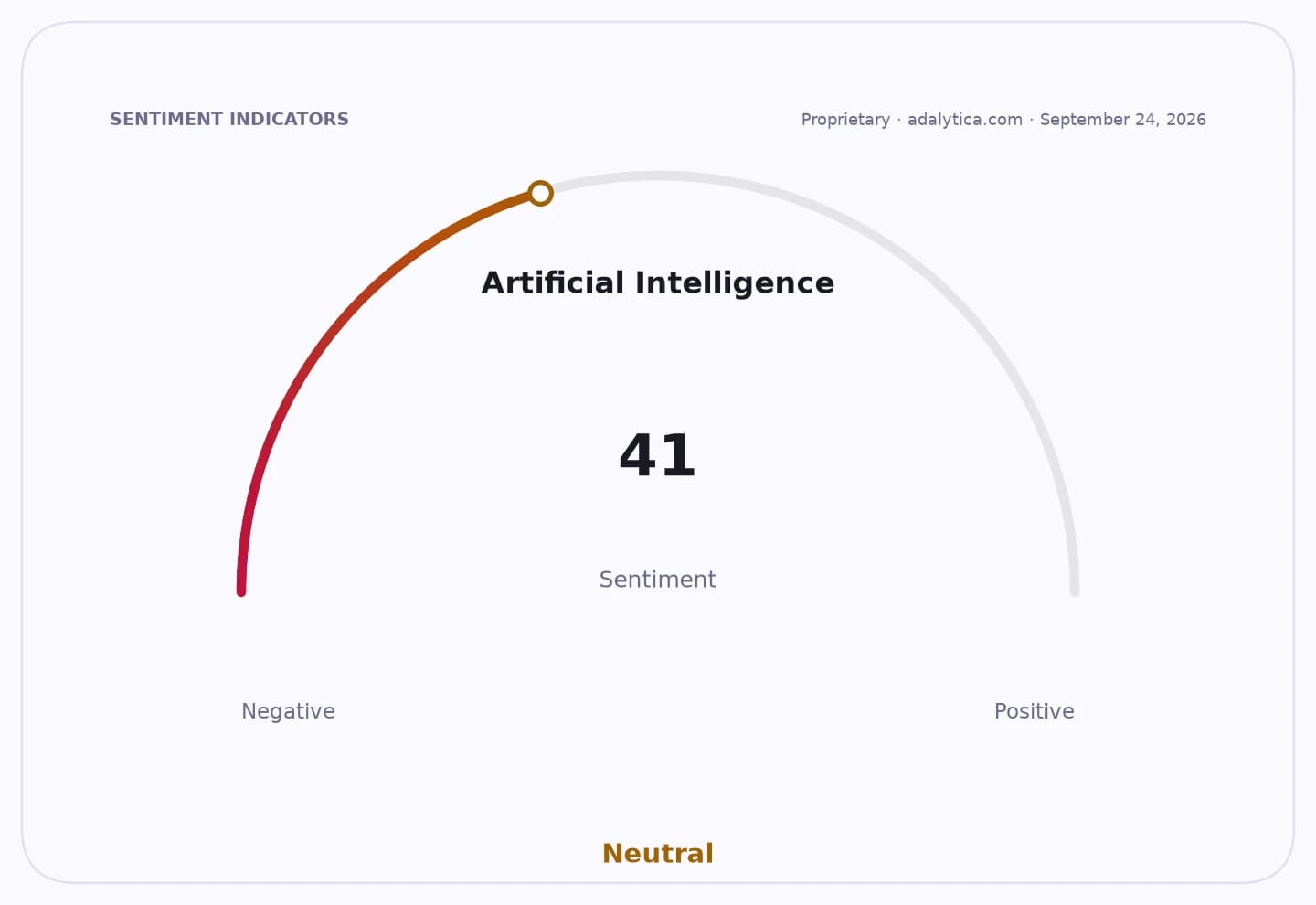
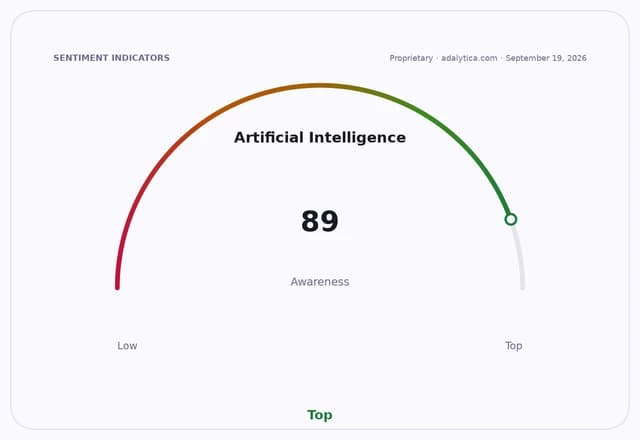
Sentiment IndicatorsⓘProprietary · adalytica.com · September 19, 2026
This is a snapshot — live sentiment, awareness and momentum for 130+ markets update continuously in the dashboard.Open AlphaPulse

The policy stakes are material for the biggest names in AI because a tougher federal regime could raise compliance costs, slow product launches and create a clearer approval path for advanced models. Microsoft, Nvidia and other large AI players have already warned in filings that governments may restrict development or deployment based on safety, cybersecurity and legal concerns.
That makes the regulatory debate more than a political talking point. For investors, it affects the timing of product rollouts, the durability of AI-related revenue growth and the risk that new federal rules could compress margins across the sector if companies need more testing, documentation and oversight before shipping frontier models.
The discussion is unfolding as leading AI companies including Anthropic, OpenAI and Google separately work on a self-regulatory body aimed at setting safety standards, underscoring that the industry is trying to get ahead of lawmakers. It also comes as markets continue to reprice AI leaders against a backdrop of policy risk, with Nvidia’s shares recently at $222.27 and Microsoft at $493.78, both well above recent lows but still sensitive to any sign that regulation could slow the buildout.
Merkley’s proposal is likely to keep AI oversight on the agenda in Congress and the White House, where the next catalyst will be whether lawmakers move from broad warnings to a concrete framework for pre-market review, testing and enforcement.
| Entity | Gains | Losses |
|---|---|---|
| Federal regulators | ▲More authority | ▼Less industry discretion |
| AI safety advocates | ▲Stronger oversight | ▼Faster deployment |
| Big AI developers | ▲Clearer rules | ▼Higher compliance costs |
| Nvidia, Microsoft | ▲Regulatory certainty | ▼Margin pressure from delays |