Meta’s new Muse AI agent is getting early attention in the U.S. because it points to a bigger question for the company and the wider AI trade: whether consumer-facing agents can move from novelty to a product that changes how people use apps, handle tasks and ultimately generate revenue.
Meta Muse AI Agent Draws Early Attention

The immediate significance is less about the anecdotal reaction than about what Muse represents in Meta’s AI strategy. In the reported example, the agent was able to compare an email inbox with a banking app, check whether a dental reimbursement had arrived, call an insurance company, pass verification and then hand the call back to the user once the human-only step was reached. That is exactly the kind of end-to-end workflow investors have been waiting for from so-called AI agents: not just generating text, but completing practical tasks across services.
Sentiment Indicators

For Meta, that matters because the company is trying to prove that heavy AI spending can translate into products with durable consumer demand and, eventually, stronger monetization. Its latest filing said it continues to launch new AI applications such as Muse while also investing heavily across the business. Meta has already signaled that AI is now central to its product roadmap, and Muse gives that ambition a more concrete shape than generic chatbot features.
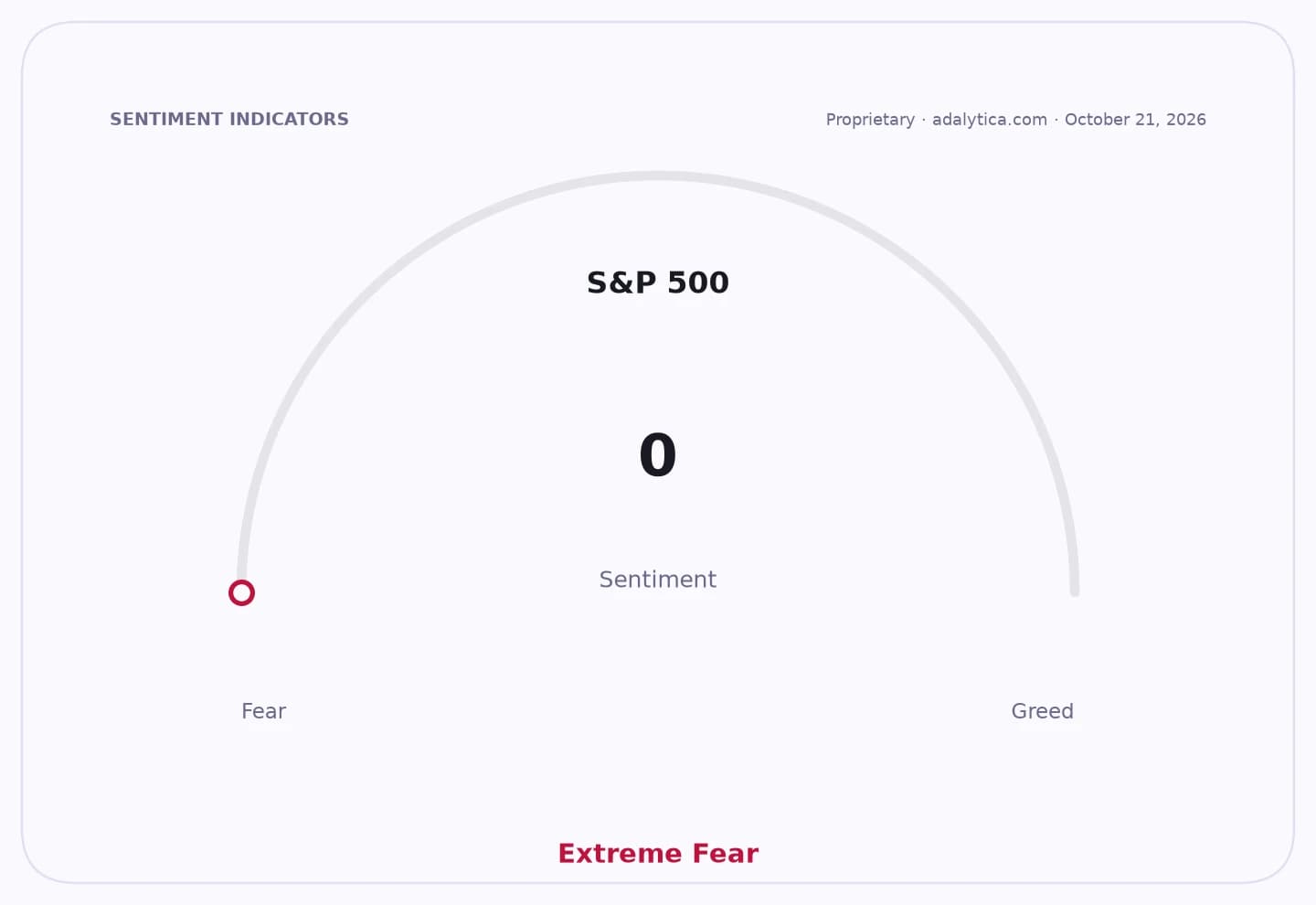
The market is watching closely because the broader AI trade has started to differentiate between model leaders, chip suppliers and application companies that can actually convert AI into recurring usage. Meta’s shares have been volatile even after a strong run. The stock closed at $624.52 on Oct. 29, below its 50-day average of $668.40 and 200-day average of $631.27, with a relative strength index of 27.8, a level that typically suggests the shares have been heavily sold. That weakness shows investors are still skeptical that AI spending will quickly show up in earnings, even if product launches are impressive.
Artificial Intelligence vs METAadalytica.com
Explore this data interactively — full history, time series and cross-market comparisons.

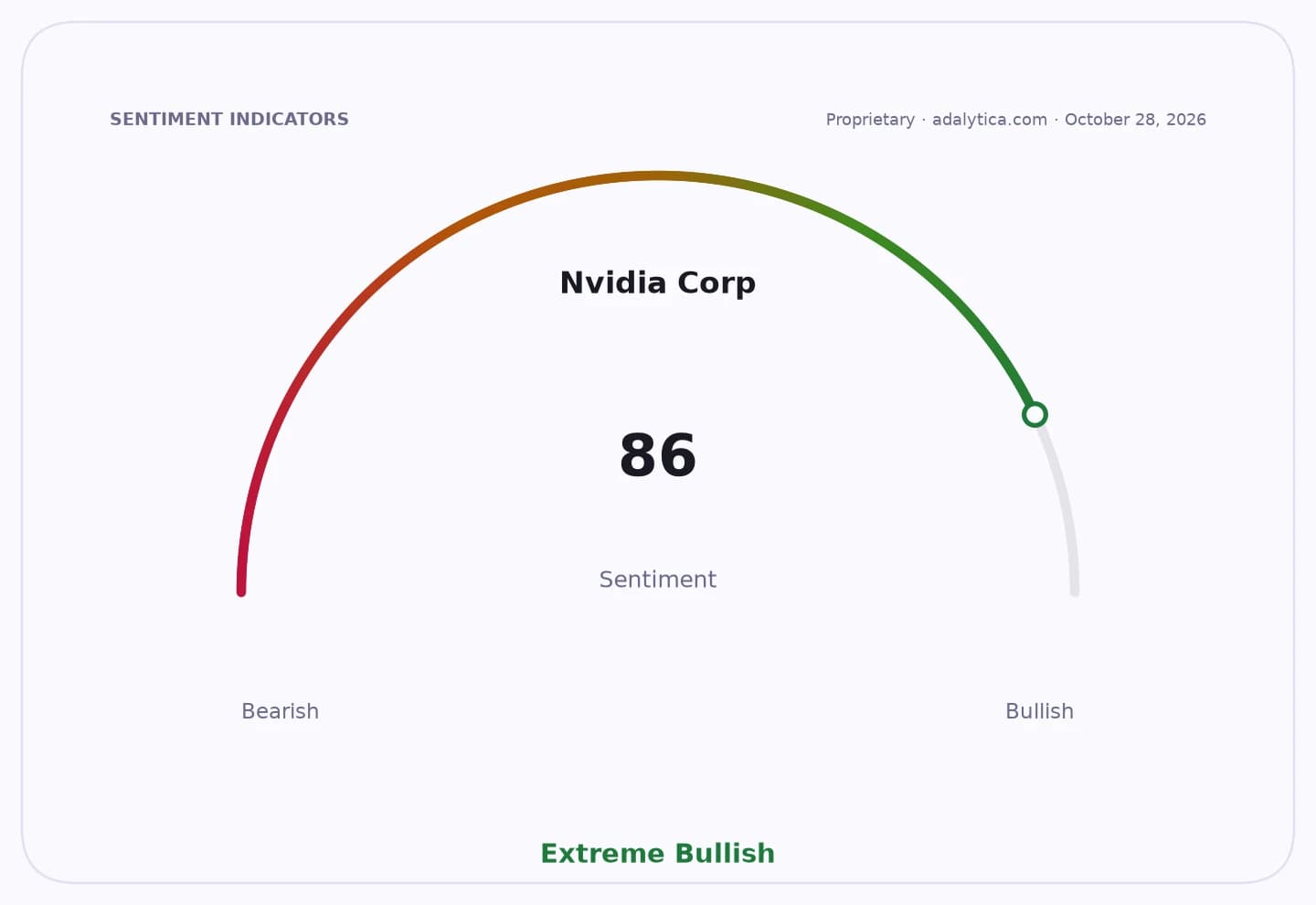
The same caution is visible in the wider AI complex. Nvidia, the key infrastructure winner, has seen its own recent pullback after a strong move, while Microsoft has faced pressure despite its own massive AI push. The market’s message has been consistent: investors will reward AI leadership, but only if it can be tied to measurable usage, pricing power or margin expansion. A product like Muse helps Meta argue it is closer to that inflection point than competitors that remain focused on infrastructure or enterprise tools.
There is also a strategic competitive angle. The development underscores the race among large platforms — including Tencent, Microsoft and others — to build agents that can sit across apps and act on behalf of users. If Meta can make Muse reliable enough for everyday tasks, it could strengthen engagement inside its ecosystem and create a new layer of interaction that keeps users inside Meta products longer. That would be valuable in advertising as well, because more time and more task-based interaction can improve targeting and retention.
But there are clear risks. The fact that Muse still needed the user to finish the call shows how far agents remain from full autonomy in sensitive, real-world transactions. Verification, security and trust are major obstacles, especially when an AI system is interacting with banks, insurers and identity checks. Regulators will also be watching closely if agents begin acting more like digital proxies than assistants.
For investors, the key question is not whether Muse is impressive, but whether it can become sticky enough to justify Meta’s sustained AI capex. The bull case is that consumer agents become a new platform layer, boosting engagement and creating new monetization paths. The bear case is that the technology remains a demo-heavy feature that adds cost without materially improving revenue or margins. Meta’s next set of product updates will matter because they will help determine whether Muse is a breakthrough feature or just the latest proof that the AI race is still moving faster than the market can price.
| Entity | Gains | Losses |
|---|---|---|
| Meta | ▲stronger AI product story | ▼pressure to prove monetization |
| Users | ▲task automation, convenience | ▼privacy and trust risk |
| Microsoft, Nvidia | ▲broader AI demand narrative | ▼Meta may narrow differentiation |
| Insurance and banks | ▲potential efficiency gains | ▼more automated verification risk |