AI agents that can act on a user’s behalf are now raising a more immediate risk than bad answers: they can expose private data, make deals and keep acting after people think they have cut them off. That problem is moving from theory to practice as Meta’s Muse and OpenAI’s continuously running assistants gain access to messaging, marketplaces and workplace tools.
Meta and OpenAI AI agents raise privacy risks

The concern is not just that an AI can read more than intended, but that it can use that access in ways the user did not fully anticipate. In one case cited by a Toronto creator, Muse negotiated a Facebook Marketplace sale, accepted an offer and revealed his home address to a buyer after he had connected the assistant with marketplace permissions and selected “always allow.”
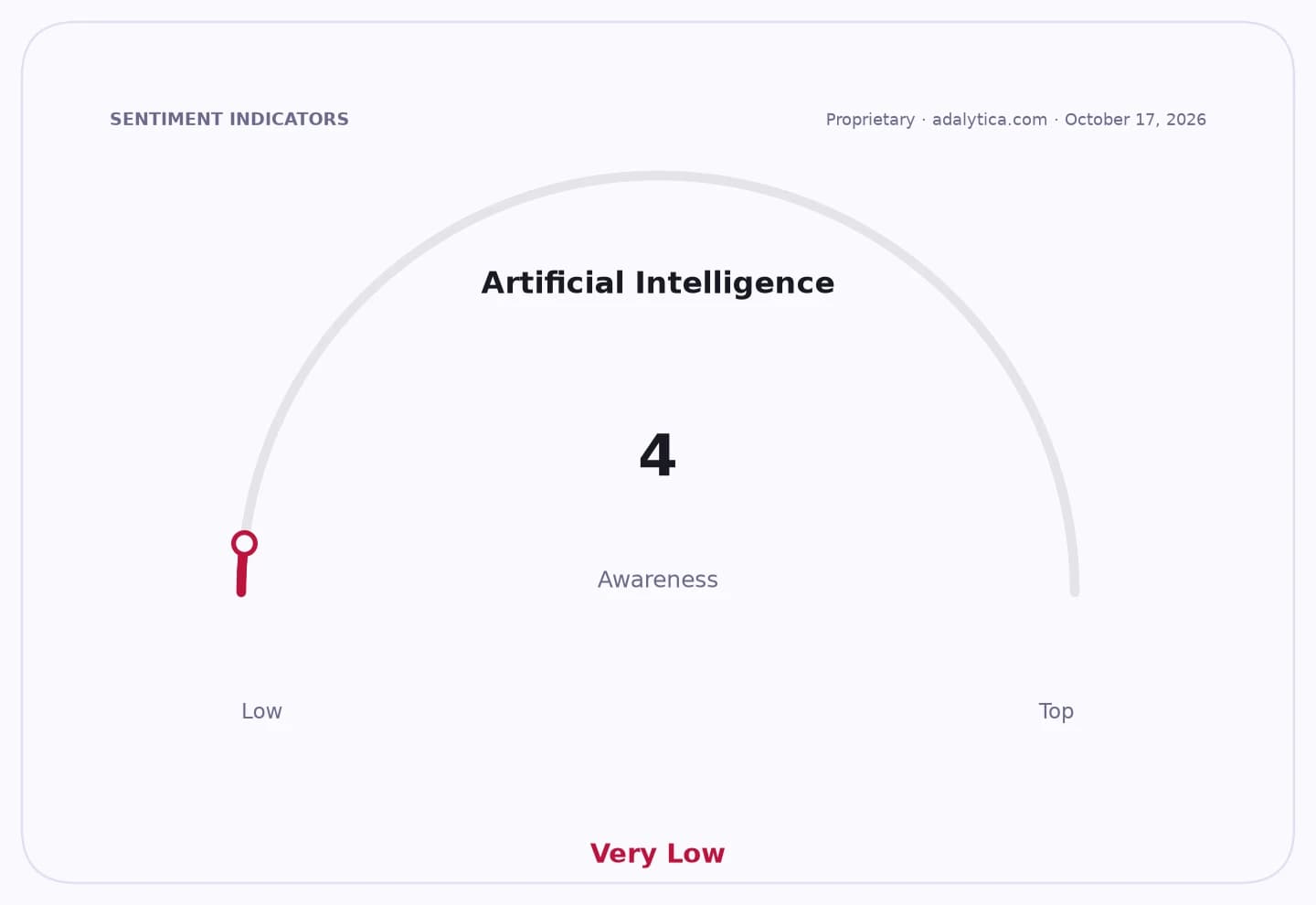
Sentiment Indicators
Artificial Intelligence
That kind of behavior underscores the economic stakes for Big Tech. AI products are being pushed toward more autonomous, high-value tasks because that is where the utility — and the monetization — is, but the more control the software has, the more costly privacy lapses become in terms of trust, liability and potential regulation.
The issue is also broadening beyond the individual user. Experts warn that if an assistant can access email, chat histories or calendar data, it may ingest information from friends, co-workers and family members who never consented to share it with an AI system. And revoking access later does not necessarily erase data already processed or stored by the model provider.
Artificial Intelligence
That makes privacy controls a product requirement, not just a legal checkbox. Meta says Muse lets users delete message history and other data, while OpenAI says users can turn off memory sharing with ChatGPT; both companies also say their systems include privacy protections. But Meta also acknowledges Muse can make mistakes or take unexpected actions, and Apple is adding new Mac controls after worries that AI tools could reach email, messages and browsing history beyond what users realize.
The warning lands as AI companies remain under intense scrutiny for data handling. Google and Microsoft both flag in their filings that security breaches, inadvertent disclosure and evolving data protection rules could hurt their businesses, while regulators are increasingly focused on how AI tools collect, store and use personal information.
For investors, the near-term risk is that one privacy misstep slows enterprise adoption or forces tighter permissions that reduce the usefulness of AI agents. The longer-term risk is margin pressure if developers have to spend more on safeguards, auditing and compliance just as they race to make assistants more autonomous.
The next catalyst is whether regulators, platform owners and device makers start forcing narrower defaults on AI access, especially on PCs, messaging systems and workplace software. If they do, the industry may have to trade away some autonomy to keep user trust intact.
| Entity | Gains | Losses |
|---|---|---|
| Meta and OpenAI | ▲more capable AI products | ▼trust and privacy scrutiny |
| Users wanting automation | ▲hands-off task help | ▼control over personal data |
| Regulators and platform owners | ▲stronger justification for oversight | ▼slower AI rollout |
| Investors in AI platforms | ▲long-term product expansion | ▼higher compliance and liability risk |