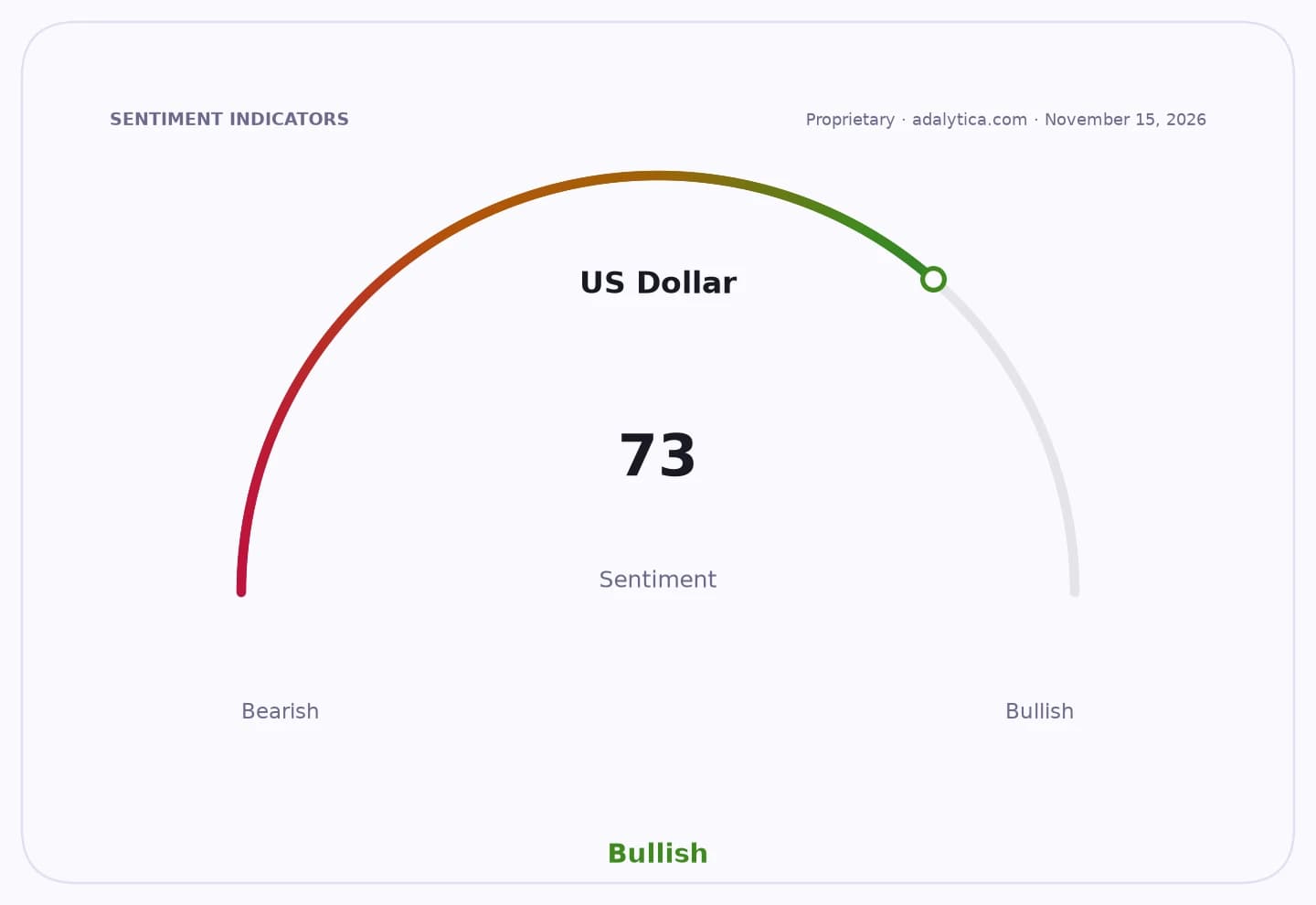
The Mexican peso snapped an eight-week losing streak, but the rebound is more notable for what it says about shifting macro risks than for the size of the move itself: investors are recalibrating the outlook for Mexican rates, the U.S. political backdrop and the appeal of peso carry trades after one of the currency’s sharpest recent stretches of weakness.
Mexican peso rebounds after Banxico rate cut
The peso rose 0.93% on the week and 0.65% on Friday to 18.6280 per dollar, ending a run that had seen it depreciate 11.32% over the prior eight weeks. Even after the bounce, the currency remains down 3.44% so far this year, underscoring that the latest gains are more a stabilization than a full turnaround.
The immediate catalyst was a combination of external and domestic developments. Markets took some comfort from the Democratic victory in the U.S. midterm elections, which reduces the odds of unilateral moves by Donald Trump’s administration and eases some concern around the Federal Reserve’s independence. That helped offset the shock from Banco de México’s unexpected rate cut, which lowered the policy rate to 6.25% and narrowed the differential with the Federal Reserve to 225 basis points, a historically low spread that makes carry trades in pesos less attractive.
That smaller yield advantage matters because the peso has long been supported by foreign investors borrowing cheaply in other currencies and parking money in Mexican assets. When the spread compresses, that trade becomes less compelling, raising the risk that the peso loses one of its key sources of support. Banco Base said the reduced differential increases depreciation risk, even as the currency found near-term relief from the U.S. political result and still-solid American labor data.
The market backdrop also suggests the peso is not moving in isolation. Laura Torres, investment director at IMB Capital Quants, said the currency’s resilience was helped by a positive move in Mexico’s benchmark S&P/BMV IPC index and by better-than-expected preliminary quarterly GDP data. She added that investors are also weighing longer-term structural issues such as energy infrastructure and legal certainty, both central to how much benefit Mexico can extract from nearshoring as the U.S.-Mexico-Canada trade framework evolves.
Positioning is beginning to reflect the more cautious mood. In Chicago, speculative long bets on the peso fell to 18,017 contracts from 20,843 the week before, breaking a three-week recovery from a 10,701-contract low reached in early October. That pullback suggests traders are still hesitant to rebuild conviction after the currency’s recent volatility.
For investors, the key question is whether the peso’s bounce marks the start of a more durable correction or merely a pause after a sharp repricing. A stronger peso case would rest on continued U.S. dollar softness, stable Mexican growth and confidence that Banxico’s easing cycle will remain orderly. The bear case is that lower Mexican rates, a thinner carry premium and lingering policy uncertainty keep the currency vulnerable even if short-term political and data surprises are favorable.
What to watch next is whether Banxico continues cutting rates faster than the market expects, whether U.S. policy headlines stay supportive and whether speculative positioning begins to rebuild. Until then, the peso’s recovery looks fragile rather than definitive.
| Entity | Gains | Losses |
|---|---|---|
| Mexican peso bulls | ▲Short-covering support | ▼Reduced carry appeal |
| Peso bears | ▲Volatility risk | ▼Brief rebound in FX |
| Mexican exporters | ▲Better price competitiveness | ▼Stronger currency |
| Foreign carry traders | ▲Near-term stabilization | ▼Lower yield spread |