US consumer sentiment improved in November as inflation expectations fell sharply, giving households some relief after months of record-low readings and raising the odds that spending holds up into year-end.
Michigan Consumer Sentiment Rises in November
Long-term Inflation Expectations
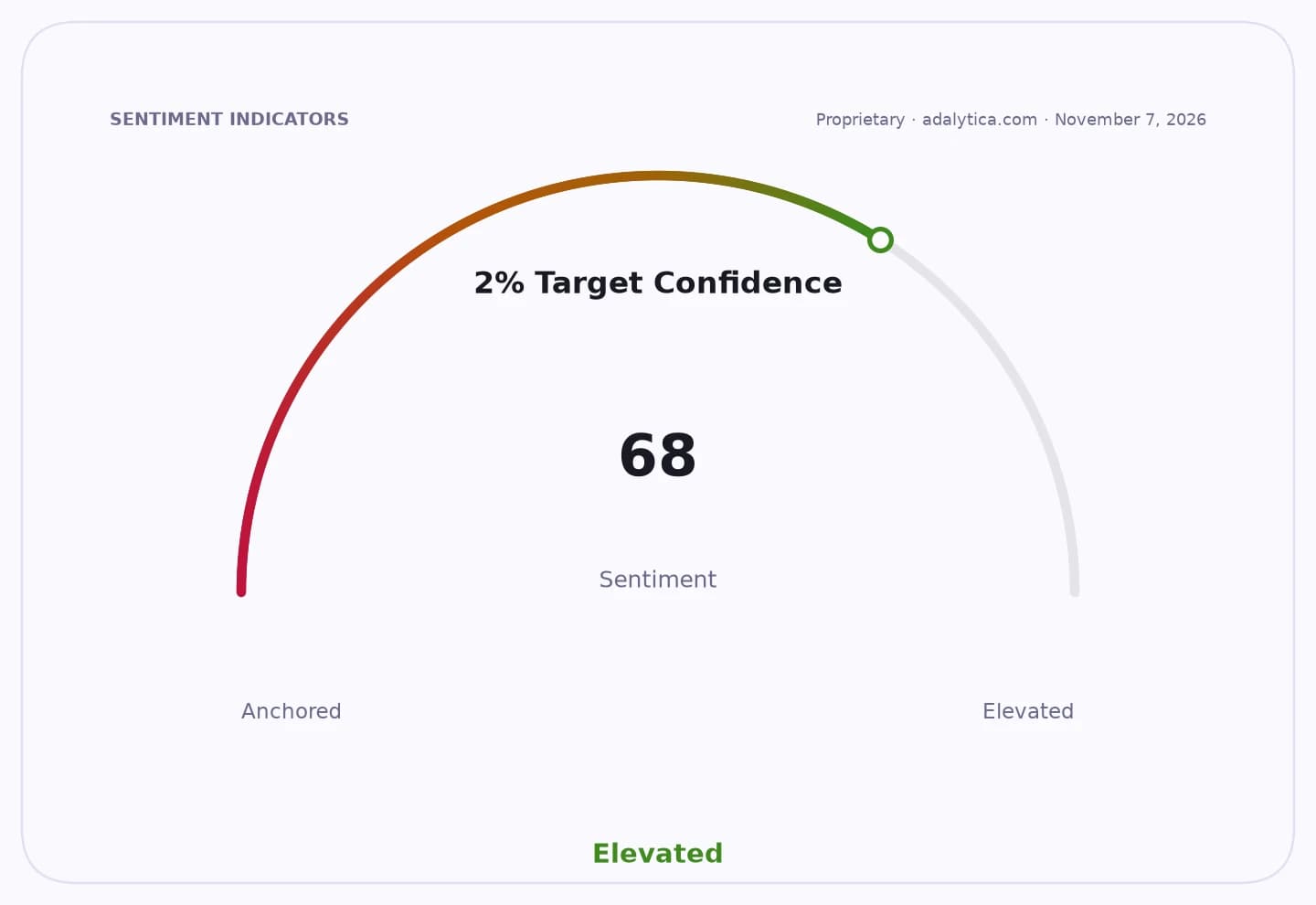
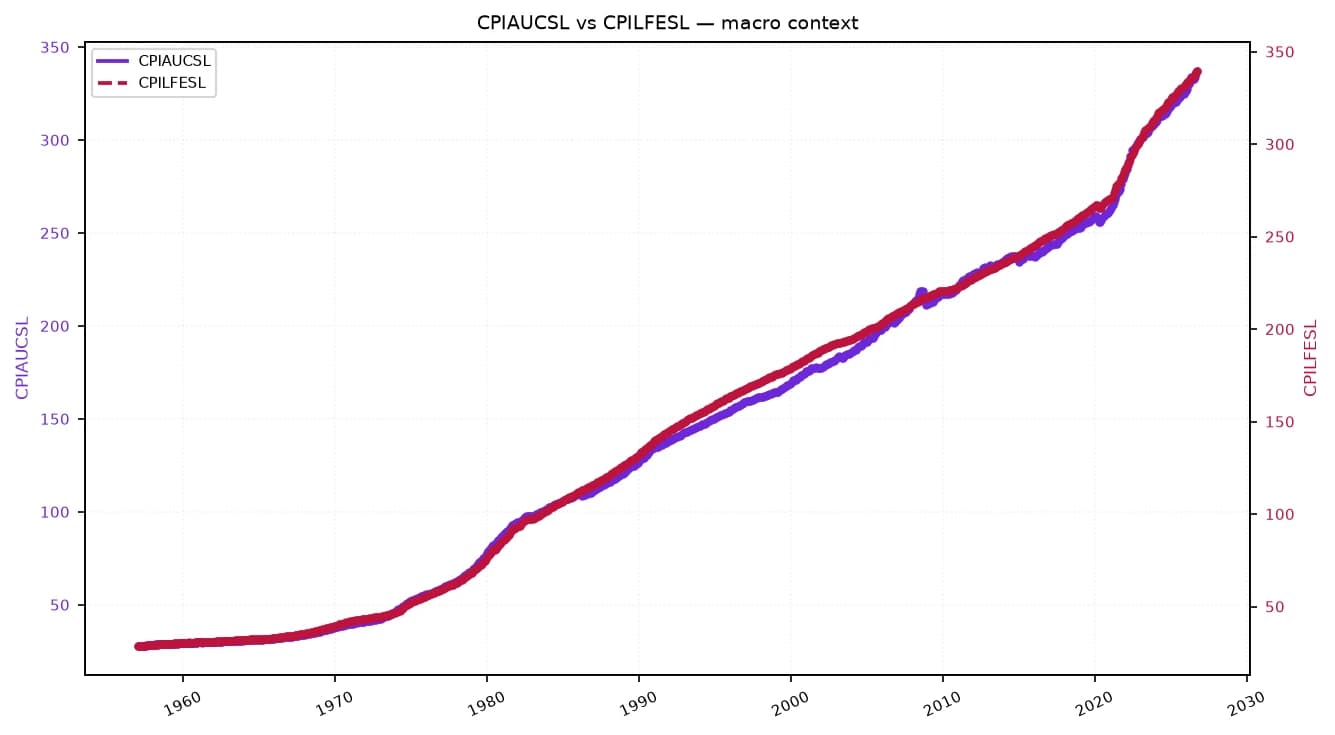
The University of Michigan’s final November index rose to 51.5 from 48.0 in October, topping the flash reading of 51.0 and marking the second straight monthly recovery from May’s record low. The biggest shift was in inflation psychology: median year-ahead expectations dropped to 3.7% from 4.7%, while long-run expectations eased to 3.3% from 3.5%.
Sentiment Indicators
That matters because inflation expectations help shape wage demands, pricing behavior and ultimately the Federal Reserve’s path. A faster pullback in inflation anxiety can give policymakers more room to hold rates steady or eventually ease, especially if growth slows without a fresh inflation flare-up.
The improvement was driven largely by independents, whose expectations index jumped after the election, while Democrats also posted gains and Republicans weakened slightly. Joanne Hsu, the survey’s director, said the political split is consistent with consumers anticipating policy changes under a divided government.
The report also showed a notable drop in the share of consumers expecting 5% or higher inflation over the next year, while long-run inflation expectations for independents fell to their lowest since February. That is the cleanest signal in the release for markets watching whether inflation fears are becoming less entrenched.
For investors, the data is supportive for rate-sensitive assets if it translates into cooler inflation prints and more stable household demand. Consumer discretionary stocks, Treasury yields and Fed expectations all tend to react when survey-based inflation gauges move this much, even if the Fed remains cautious about reading too much into one month.
The risk is that consumers still say inflation, not unemployment, will be the bigger source of hardship over the next one to two years. That leaves sentiment fragile and means any rebound in gasoline prices, tariffs or labor-market weakness could quickly reverse the improvement.
| Entity | Gains | Losses |
|---|---|---|
| Consumers | ▲Lower inflation anxiety | ▼Persistent price pressure |
| Federal Reserve | ▲More room to pause | ▼Less urgency to cut |
| Consumer discretionary stocks | ▲Better spending outlook | ▼Margin pressure if demand stays soft |
| Inflation hedgers / short-duration bonds | ▲Less immediate inflation fear | ▼Higher real-yield pressure eases |