AI visibility tools are turning brand mention roulette into a billable product, and that matters because businesses may be making spending decisions on numbers that are too unstable to trust. For investors, the bigger issue is not whether a company shows up in an AI answer once, but whether the measurement itself is rigorous enough to support real marketing budgets, enterprise adoption and, ultimately, revenue.
Microsoft AI Visibility Metrics and Stock Volatility

The core problem is simple: the answers keep changing. Ahrefs found that AI Overviews changed in 70% of cases between checks over about a month, with the average version lasting only about two days. The cited sources overlapped just 54.5%, and the named entities overlapped 54%. In other words, the assistant may keep roughly the same meaning while rotating the cast. A brand can be present in some share of responses, absent in others and impossible to pin to a single screenshot.
Sentiment Indicators
That makes the market for AI visibility reports especially vulnerable to bad incentives. A vendor can show a founder one screenshot with a rival named and her company missing, then pitch a five-figure fix. But if the same query is run several times, the result may flip back and forth without any real change in underlying brand strength. That is why the only number that matters is a rate: how often a brand appears across repeated runs, using the same prompts, same assistants, same language and same location.
For Microsoft, and for investors trying to understand the durability of AI-related businesses, this is more than a marketing footnote. Microsoft sits at the center of the AI distribution stack through Copilot, Azure and its broader enterprise software ecosystem, so any wave of spending on AI discovery, brand optimization and answer-engine visibility can feed into the same corporate budgets that already support cloud and software growth. But if buyers cannot trust the measurement, they may overpay for noise instead of investing in durable demand generation.
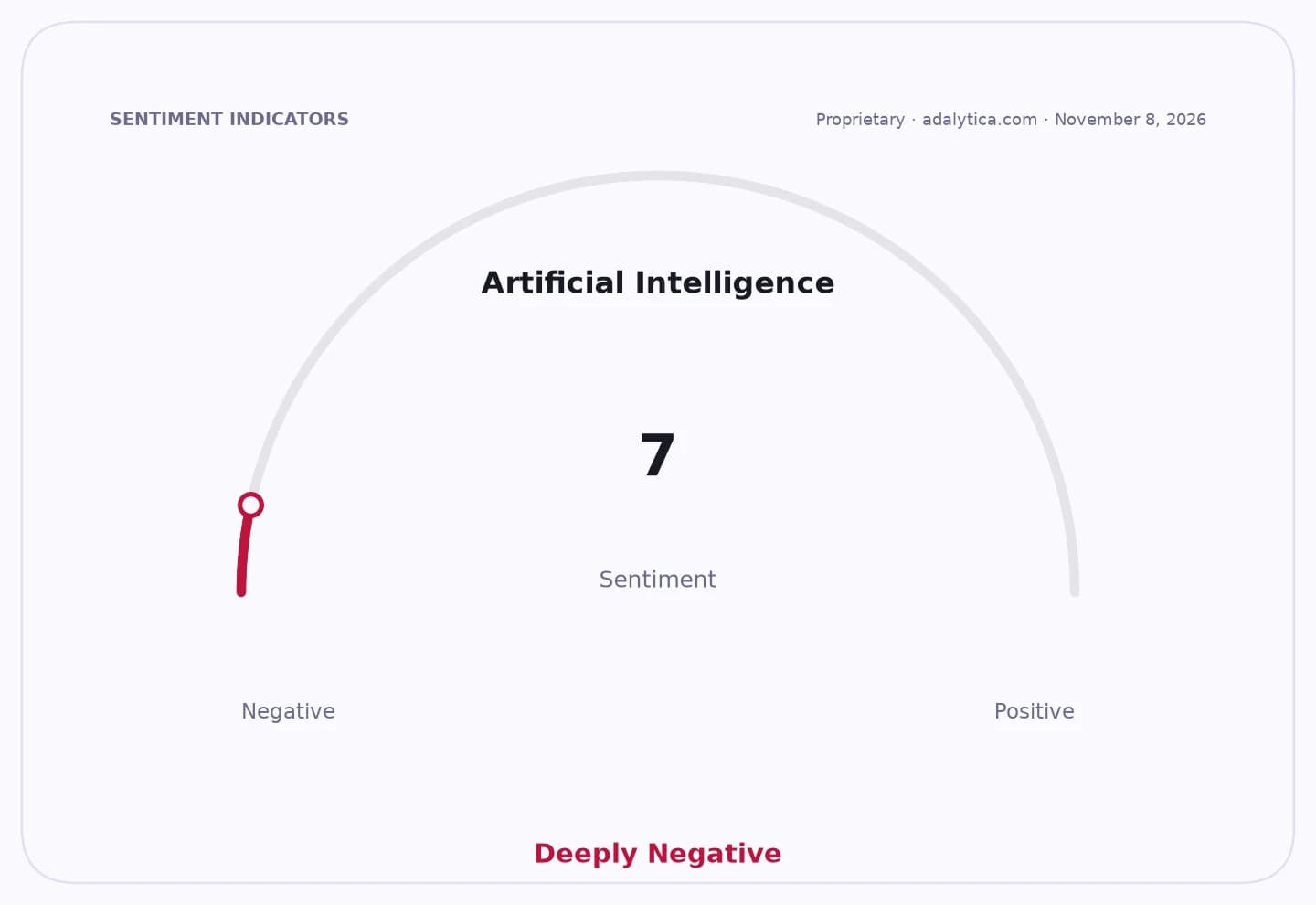
Artificial Intelligence
The lesson for long-term investors is to separate real adoption from dashboards built on shaky sampling. The companies that win in AI will not just be the ones mentioned most often in one instant snapshot. They will be the ones embedded in the workflows, data, distribution channels and partner ecosystems that keep showing up across many runs, many queries and many users. That is a far sturdier competitive advantage than a screenshot.
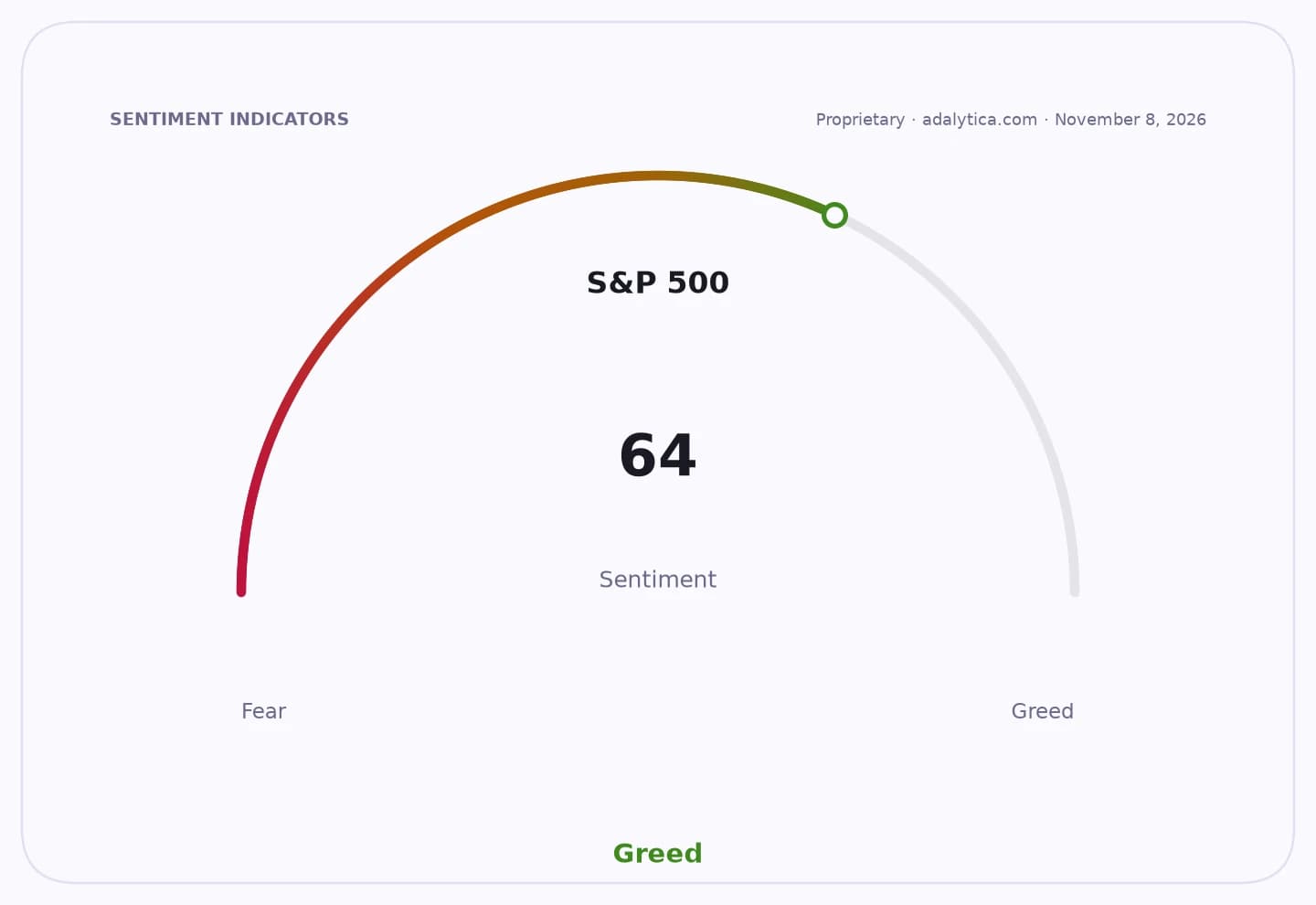
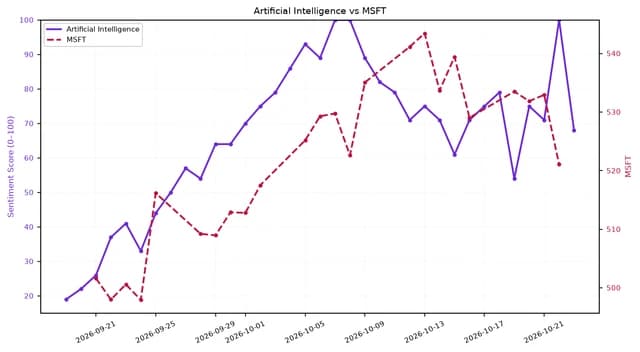
Microsoft’s stock has also been trading with plenty of volatility, with the shares recently around $521, above the 50-day moving average near $508 and well above the 200-day average around $435, while RSI readings around the low 50s suggest the recent move is cooling rather than overheating. NVIDIA, meanwhile, remains the cleaner pure-play AI beneficiary, but even there the shares have pulled back toward the low $210s as traders digest how much of the AI boom is already priced in. The broader S&P 500 has been firm, yet fear readings from Adalytica’s trade signals show investors are still uneasy under the surface.
That is why the best response to AI visibility hype is patience, not panic. If you are evaluating Microsoft or any other AI leader, ask whether the business is creating lasting value or merely benefiting from a transient spike in mentions. Over three to ten years, the companies with the deepest moats, the strongest cash flow and the broadest customer relationships should matter far more than any single visibility report. Add the stock to your watchlist, but treat one-off AI visibility scores with skepticism.
| Entity | Gains | Losses |
|---|---|---|
| Software and AI vendors with robust methodology | ▲Trustworthy recurring revenue | ▼Quick-sale pitch economics |
| Founders and marketers using repeated sampling | ▲Real signal on brand presence | ▼False alarms and wasted spend |
| Microsoft and other AI platform leaders | ▲Durable ecosystem adoption | ▼Short-term hype from noisy metrics |
| Screenshot-based visibility sellers | ▲Easy upsells | ▼Credibility when methods are weak |