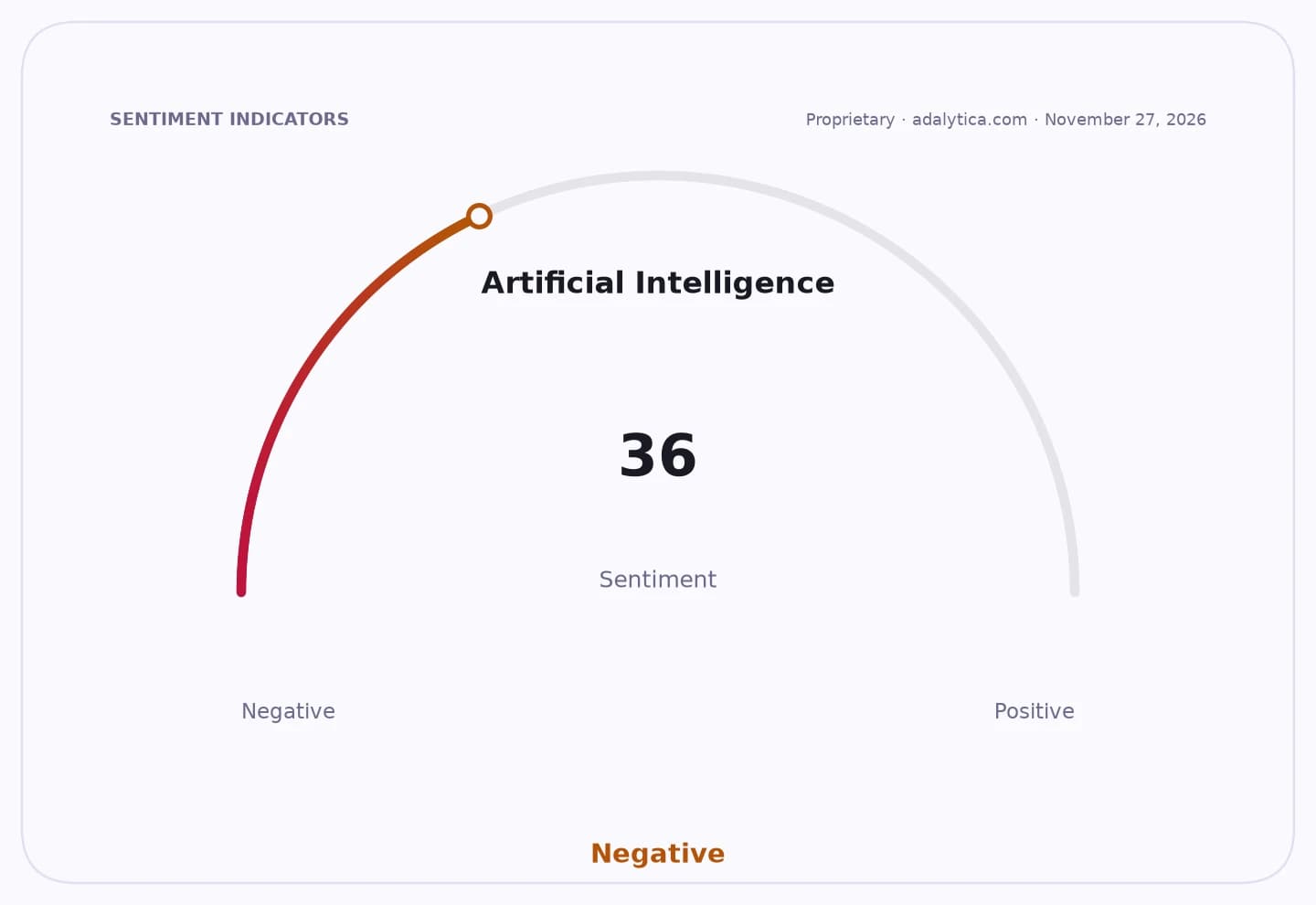
Microsoft’s voluntary buyouts are the clearest sign yet that its push to dominate artificial intelligence is beginning to reshape its workforce and, potentially, its cost base.
Microsoft buyouts as AI spending rises
For investors, that matters because the company is trying to fund a capital-intensive AI expansion without letting margins deteriorate for too long. The buyouts suggest Microsoft wants to trim layers of staff before resorting to broader layoffs, preserving flexibility as it pours billions into data centers, chips and cloud infrastructure needed to support AI demand.
The move also lands in a broader technology market where investors are increasingly sensitive to the trade-off between AI spending and earnings quality. Microsoft’s shares have already had a volatile stretch this year, falling as low as 351.49 on June 25 before recovering to 491.41 on Friday, still well below the 554.73 peak reached on Nov. 4. The stock has also slipped under its 50-day moving average, a conventional technical sign that short-term momentum has weakened, even though it remains above the 200-day moving average.
That backdrop helps explain why the buyouts carry more weight than a routine headcount adjustment. Microsoft has spent the past two years telling Wall Street that AI will expand demand across Azure, software subscriptions and workplace tools. But those gains have come with heavier investment needs and tighter scrutiny of operating discipline. If the company is using voluntary exits to make room for AI-era roles, it would fit a pattern now visible across big tech: reducing legacy or overlapping functions while hiring selectively in infrastructure, model development and sales tied to AI products.
The signal is not unambiguously negative. Bulls can argue that buyouts are a cleaner way to improve efficiency than layoffs, especially for a company with Microsoft’s scale and cash generation. A voluntary program can lower political and morale costs while giving management a chance to reshape the workforce around higher-margin AI offerings. Bears, however, will see a company preparing for a longer period of expense pressure, especially if the benefits of AI monetization take longer to show up than the market has priced in.
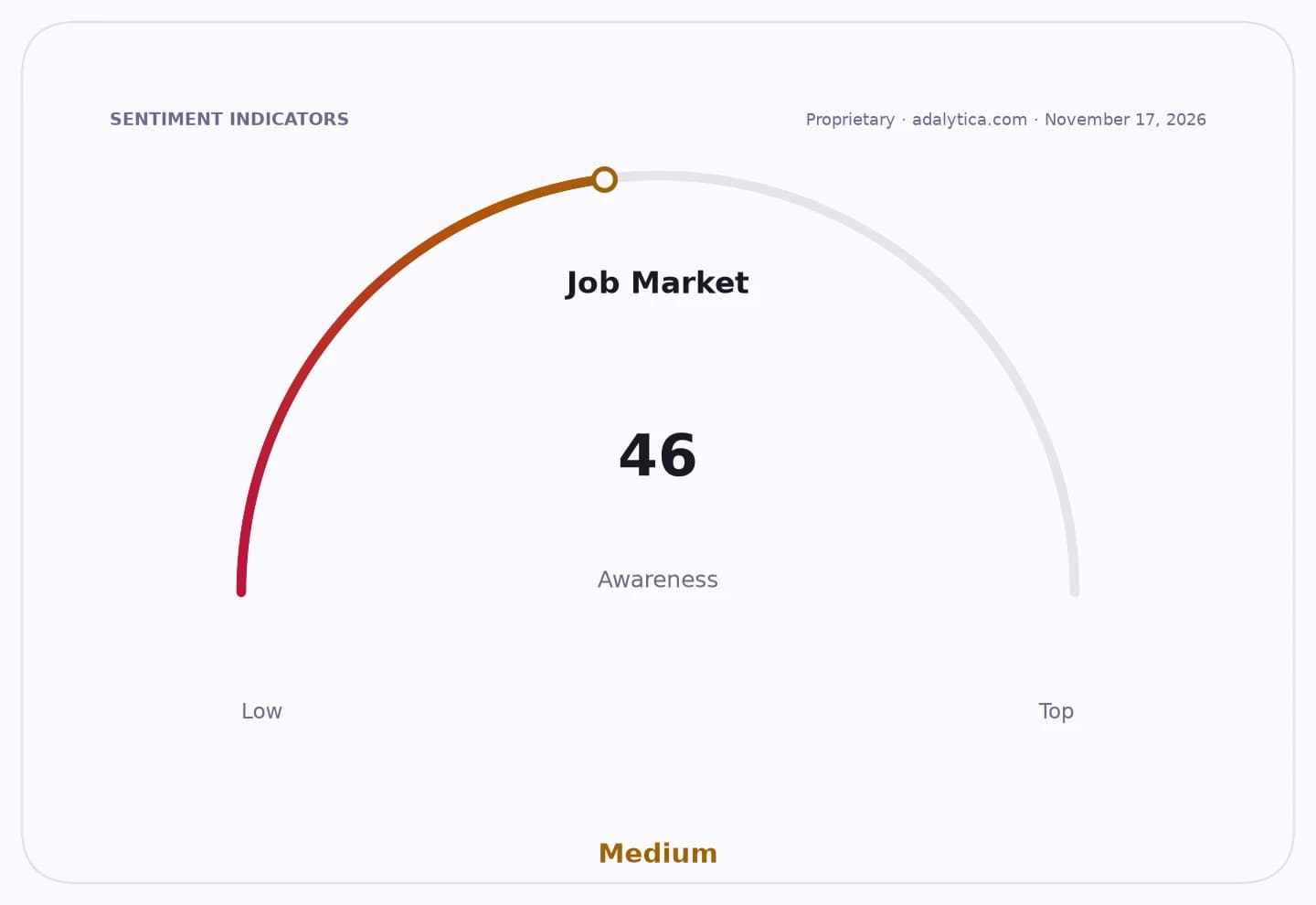
The timing matters as well. Tech layoffs have broadened across the sector, with other large employers also cutting jobs as they rework operations and respond to slower demand in some areas. That makes Microsoft’s move part of a wider recalibration rather than an isolated event.
For shareholders, the key question is whether the buyouts are a one-off efficiency measure or an early step in a larger restructuring. If AI investment keeps rising faster than revenue from new products, more cost actions could follow. If Microsoft can pair workforce trimming with durable AI adoption, the buyouts may eventually look like a disciplined transition into a more automated business model.
| Entity | Gains | Losses |
|---|---|---|
| Microsoft | ▲Lower payroll flexibility | ▼Staff morale, legacy headcount |
| Microsoft shareholders | ▲Potential margin support | ▼Near-term execution risk |
| AI investment unit | ▲More capital and hiring room | ▼Traditional functions |
| Job seekers/tech workers | ▲Selective AI hiring | ▼Layoff risk, slower growth |