Rising borrowing and spending tied to the AI buildout are starting to look less like a growth story and more like a margin and valuation risk for the megacap tech group, with Goldman Sachs flagging pressure on stocks such as Microsoft, Meta Platforms and Alphabet as investors reassess how much capital the boom will consume.
Microsoft, Meta, Alphabet face AI capex pressure

That matters because the AI arms race is no longer being financed only from cash flow. The larger the spending cycle becomes, the more it resembles a capital-intensive industrial buildout, with debt, depreciation and execution risk now part of the equation. For companies long prized for their fortress balance sheets and high incremental margins, the shift raises a basic question: how much of the AI opportunity will be left after the bill comes due?
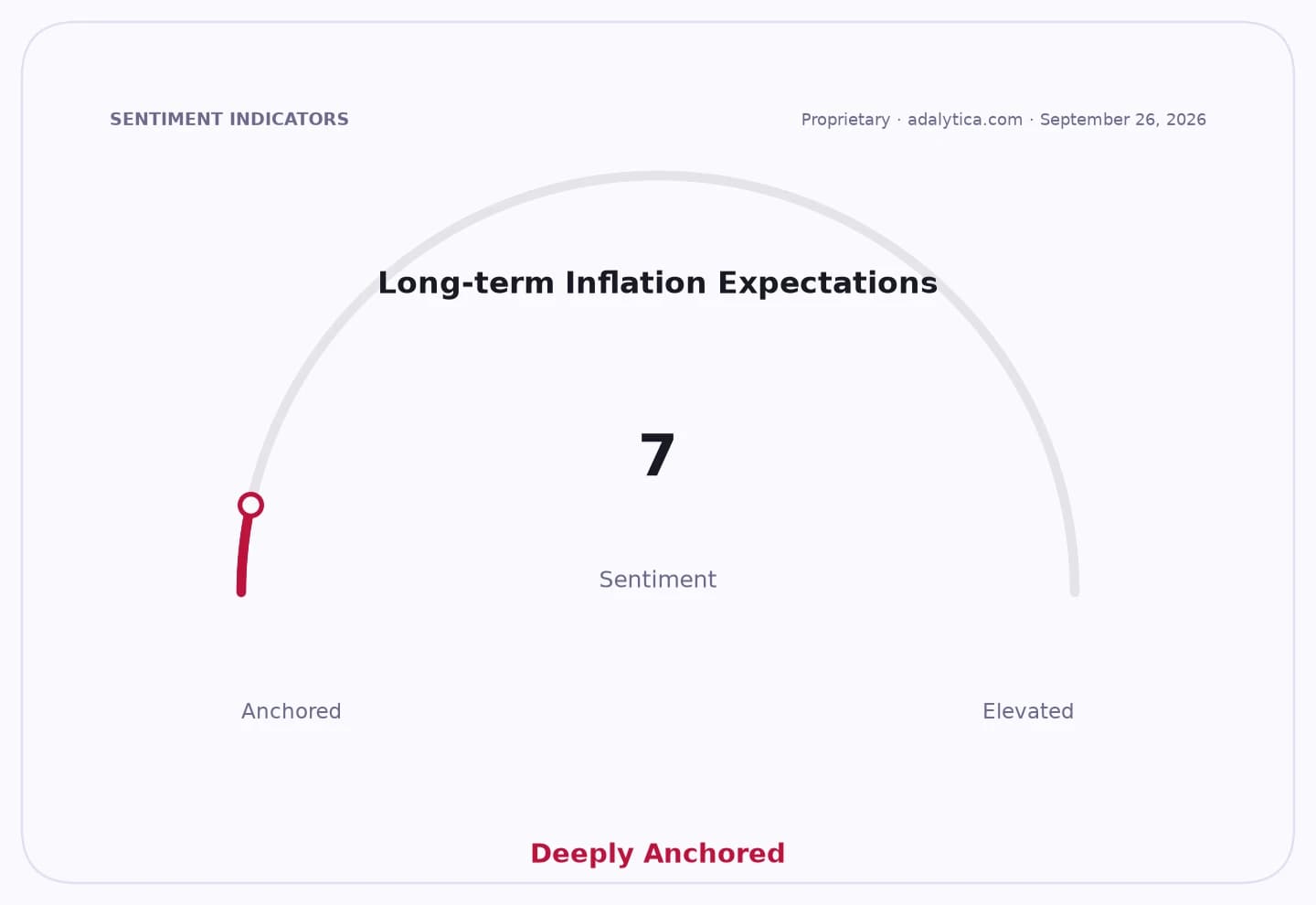
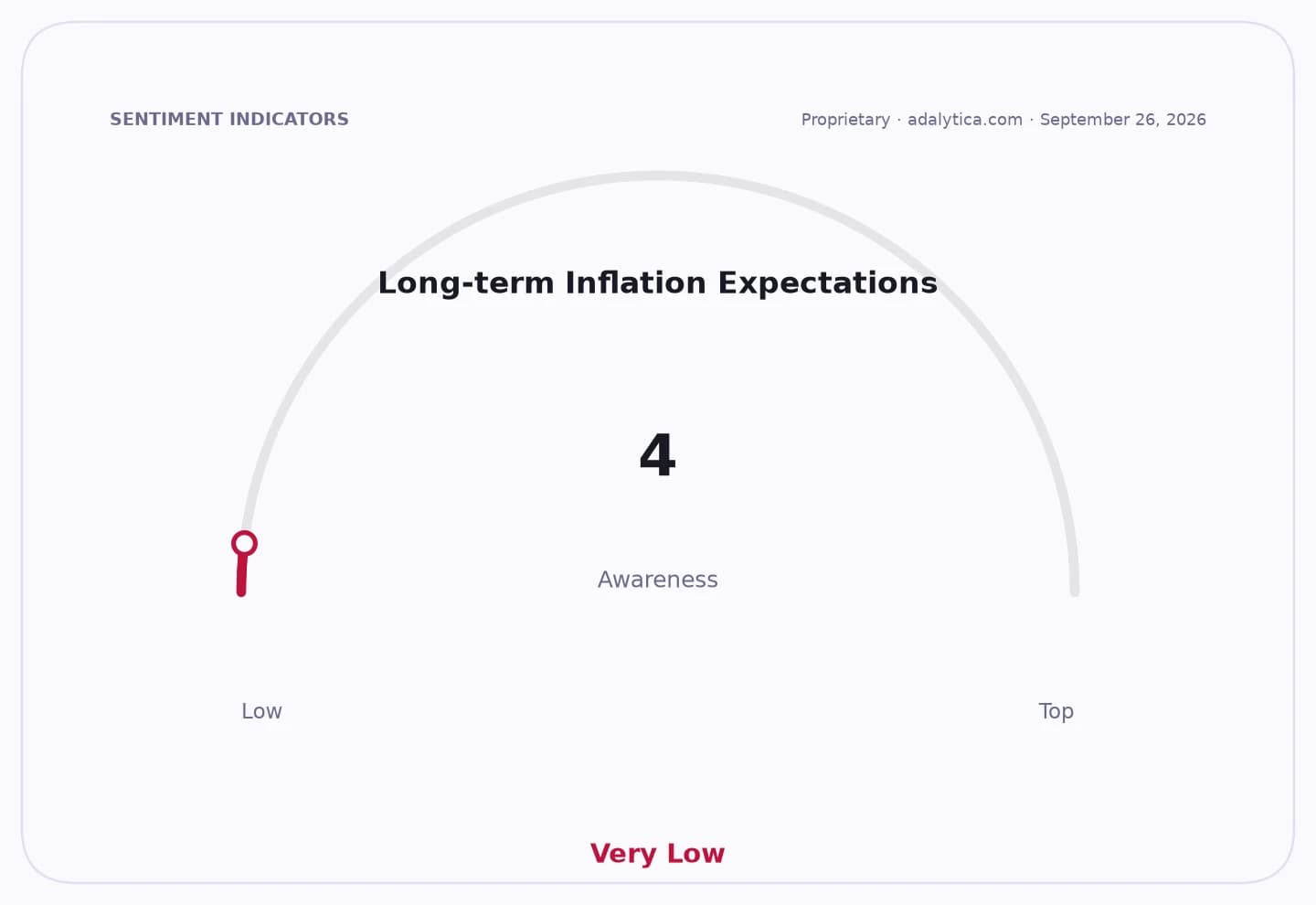
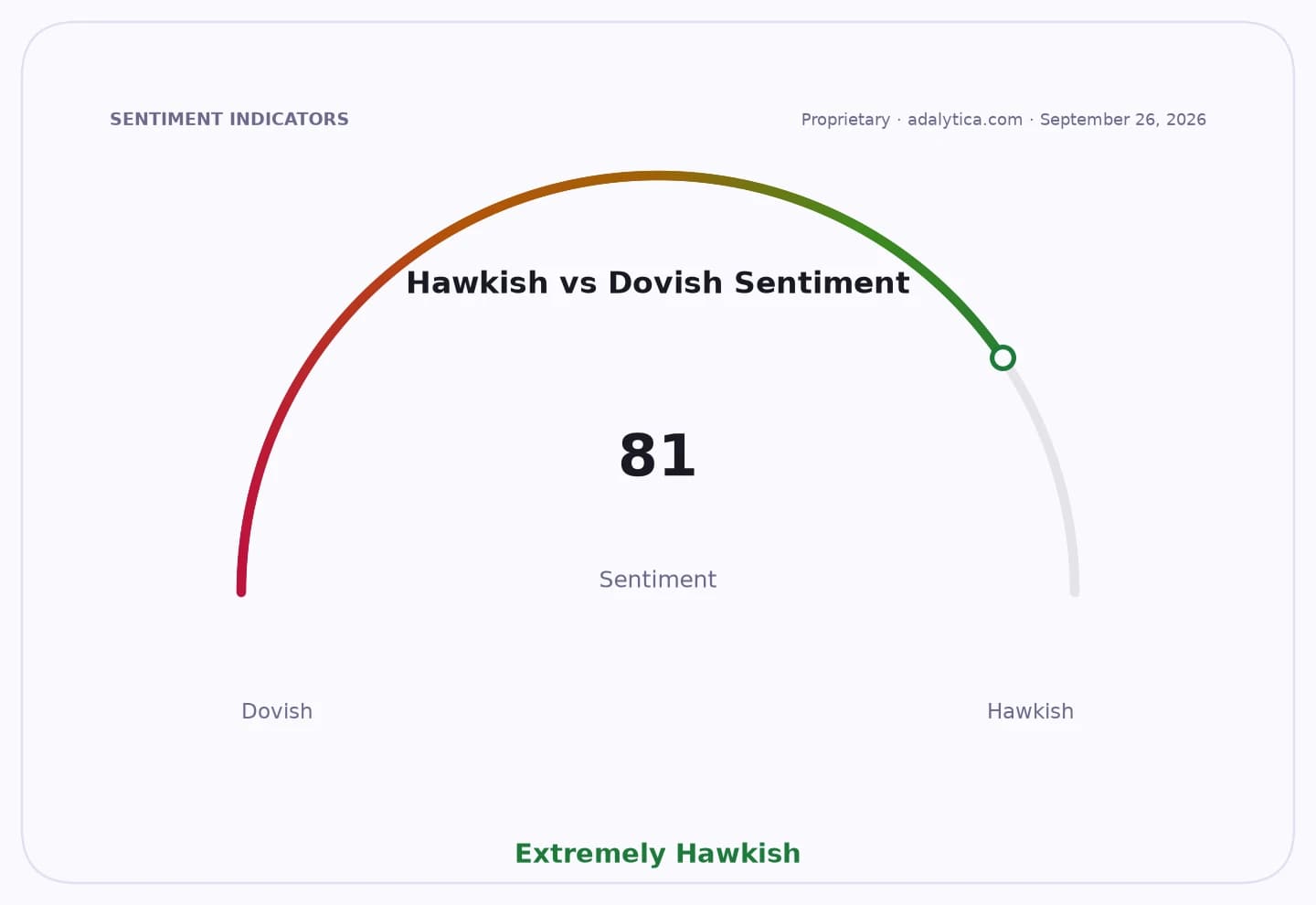
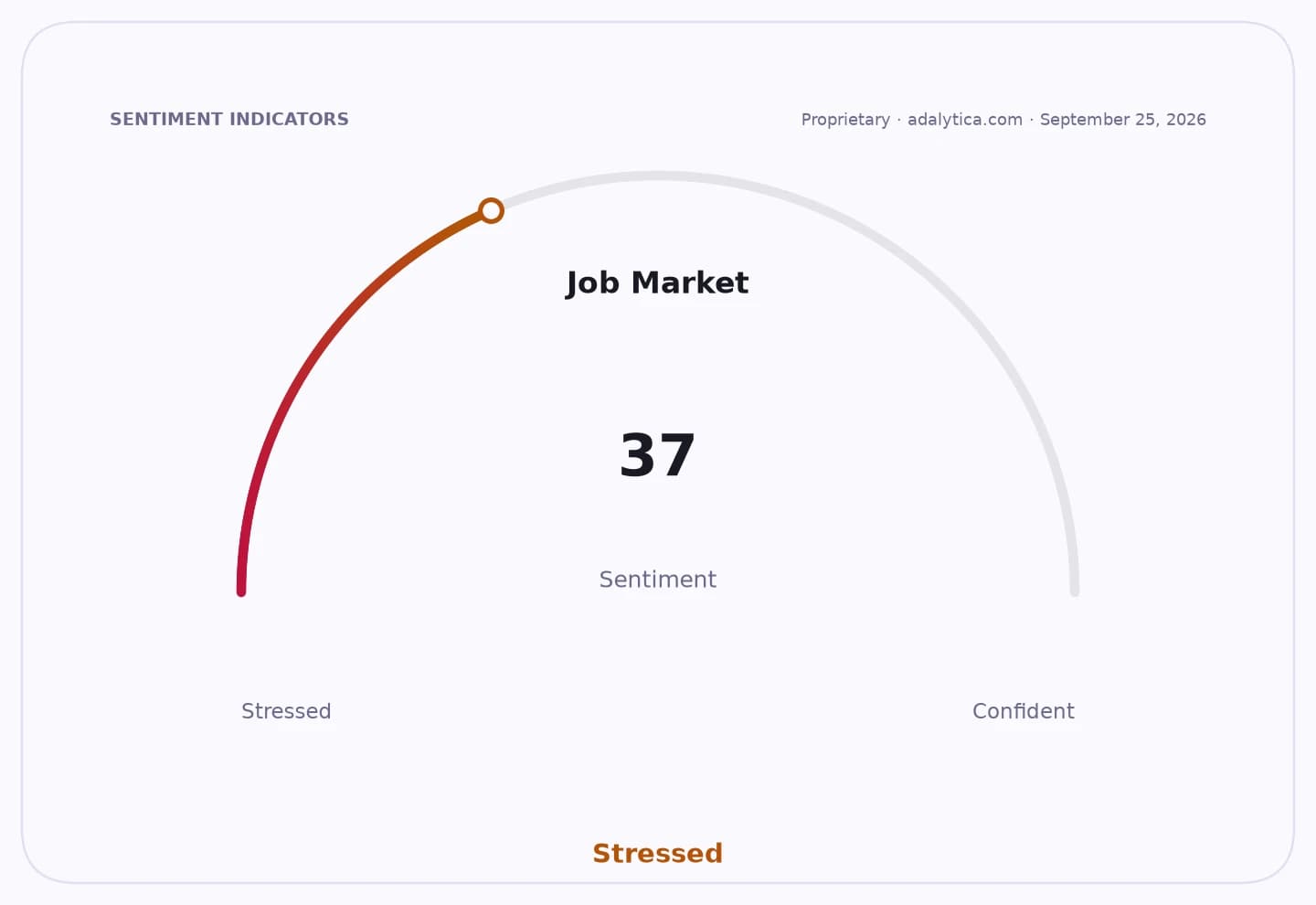
Sentiment IndicatorsⓘProprietary · adalytica.com · August 11, 2026
This is a snapshot — live sentiment, awareness and momentum for 130+ markets update continuously in the dashboard.Open AlphaPulse

The macro backdrop is not especially forgiving. The 10-year Treasury yield was around 4.65% in the latest data, while the high-yield spread sat near 2.7%, leaving corporate borrowers facing a meaningfully higher cost of capital than during the near-zero-rate era that helped fuel the first wave of cloud and platform expansion. Fed funds are running at 3.63%, underscoring that financing conditions remain tighter than in the years when Big Tech could borrow cheaply and still preserve pristine equity-market narratives.
For investors, the issue is not just leverage, but the trade-off between spending now and earnings later. Microsoft, Meta and Alphabet all remain highly profitable, but their latest filings point to heavy AI commitments that can weigh on cash flows and profitability if returns take longer to arrive. Meta said its AI initiatives and Reality Labs are already pressuring operating margin and cash flow, while Alphabet and Microsoft both warned that large-scale investment programs face fierce competition and execution risk.

The market has begun to reflect that tension in stock behavior. Microsoft closed at $506.06 on Aug. 10, far above its 50-day moving average of $408.59, but also with a relative strength index at 84.5, a level that conventional technical analysis would describe as overbought. Meta finished at $594.92 versus a 50-day moving average of $598.83, suggesting it has only recently stabilized after a sharp summer selloff. Alphabet, at $357.52, sits closer to its 50-day average of $355.83, but still below the sort of multiple expansion that would normally accompany a clean AI reacceleration story.
That split helps explain why Goldman’s warning lands now. The bull case is straightforward: AI remains a rare source of secular growth, and the biggest platforms have the scale, distribution and data advantages to capture most of the return. The bear case is increasingly about diminishing marginal returns — each new dollar of investment may buy less incremental advantage, while higher rates make that capital more expensive to fund and harder to justify to shareholders.
There is also a broader market implication. Adalytica’s S&P 500 trade signals show extreme greed, with awareness at the maximum reading, suggesting the market remains crowded in the same large-cap winners even as fundamental and financing risks rise. When positioning is this one-sided, any disappointment around AI monetization, capex intensity or debt-funded expansion can trigger outsized moves.
For now, the AI trade is still intact, but it is becoming more selective. Investors are likely to reward companies that can prove revenue conversion and disciplined capital allocation, and punish those that look as if they are buying growth with increasingly expensive balance-sheet leverage. The next catalyst will be whether upcoming earnings and capital-spending plans confirm that AI is still a margin engine — or whether it is starting to behave like a very costly race to stand still.
| Entity | Gains | Losses |
|---|---|---|
| Microsoft | ▲AI revenue momentum | ▼Higher capex scrutiny |
| Meta Platforms | ▲Long-term AI monetization | ▼Near-term margin pressure |
| Alphabet | ▲Cloud and AI scale benefits | ▼Cost of capital and execution risk |
| Investors in Big Tech | ▲Secular AI upside | ▼Valuation multiple compression |