Tech’s 2026 layoffs are less a sign of collapse than a hard pivot toward an AI arms race that is forcing some of the world’s richest companies to cut labor even as they pour record sums into compute, data centers and software infrastructure.
Microsoft, Meta, Oracle layoffs shift spending to AI in 2026
That matters because the job losses are arriving alongside a still-tight U.S. labor market, with the unemployment rate at 4.2% and payrolls still expanding, yet the technology sector is now one of the clearest places where capital is being reallocated away from headcount and toward machines, cloud capacity and automation. In other words, the market is watching the first major wave of AI-driven efficiency gains, and it is showing up in payrolls before it shows up in full-year earnings.
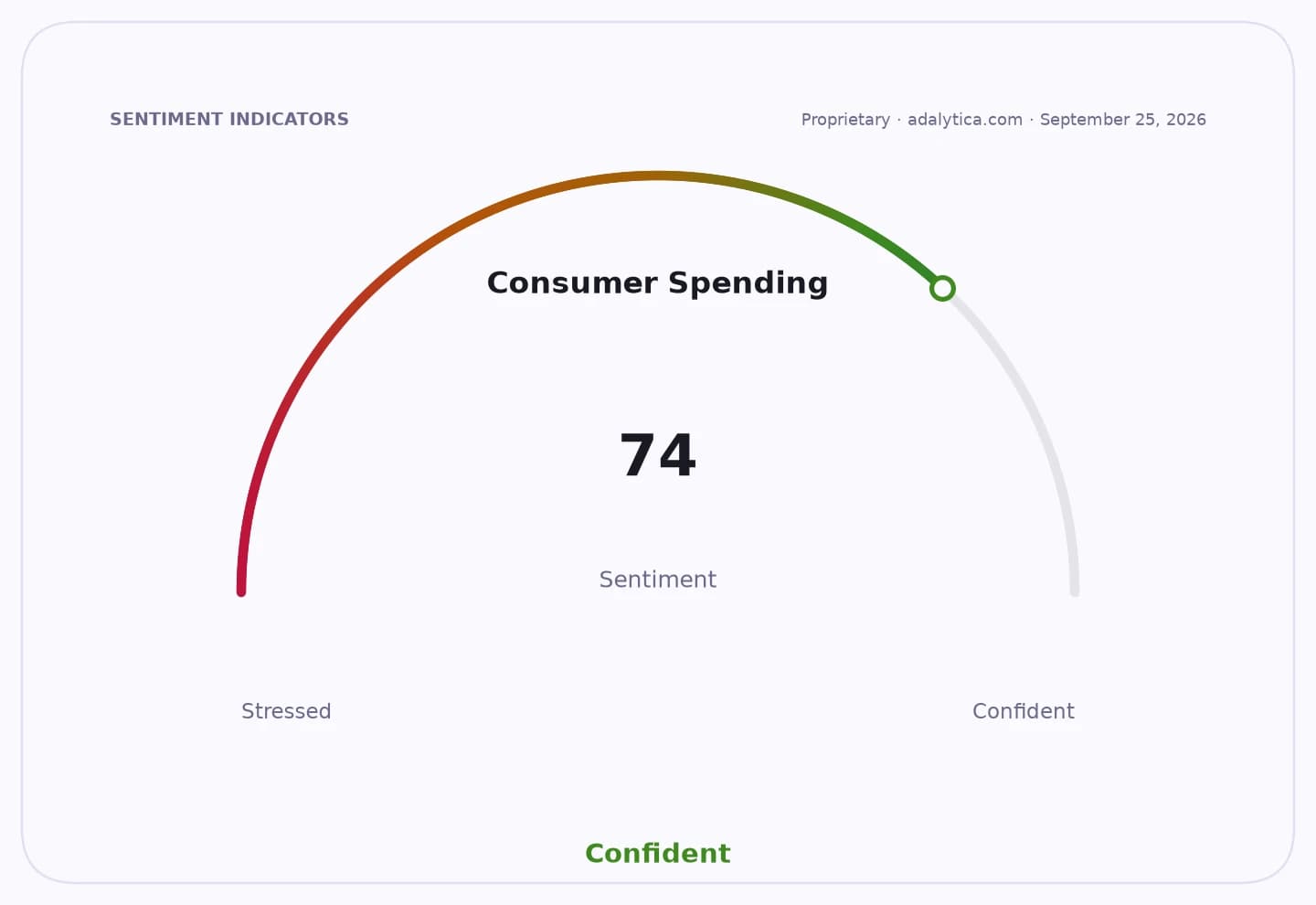
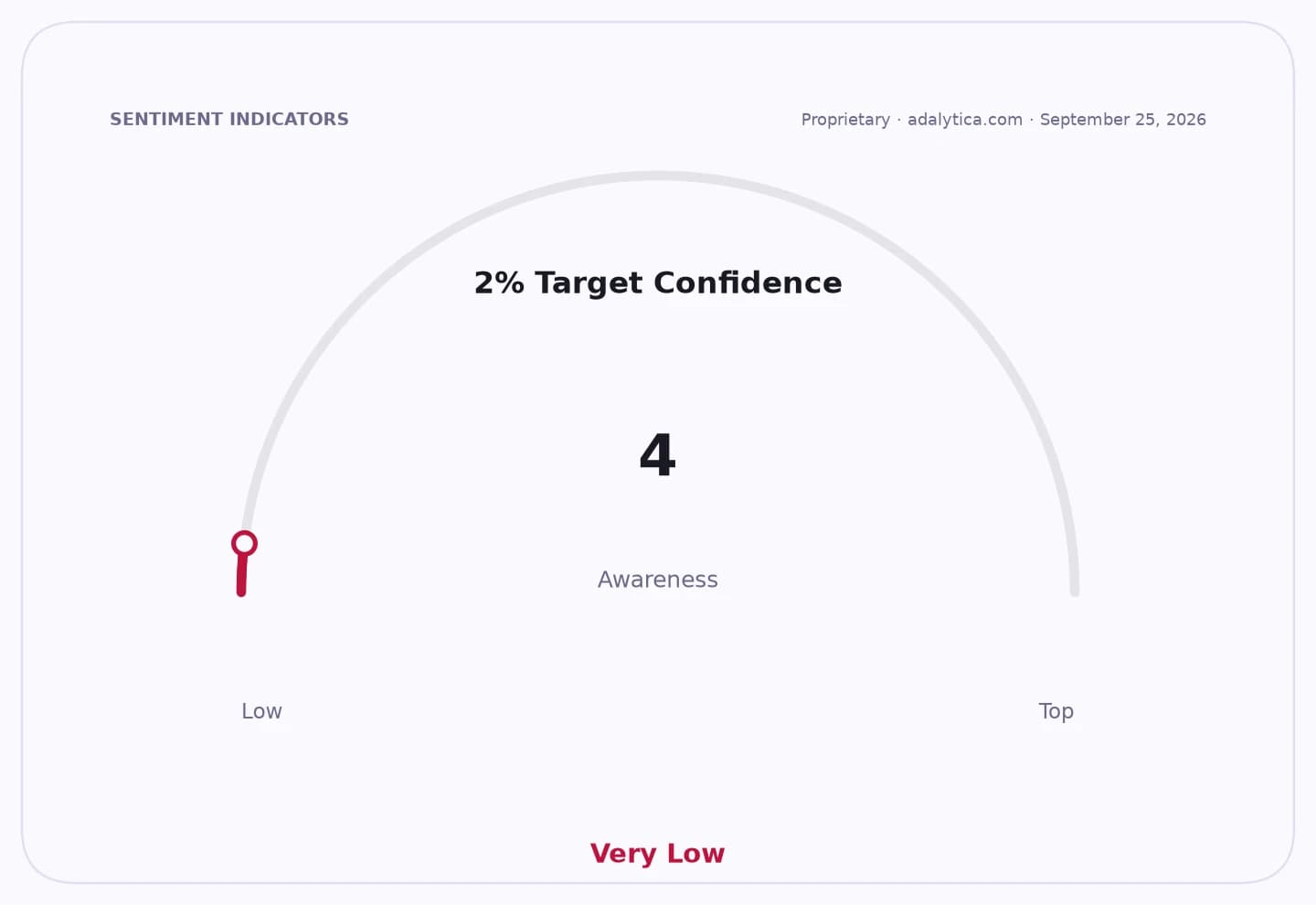
Sentiment IndicatorsⓘProprietary · adalytica.com · August 6, 2026
This is a snapshot — live sentiment, awareness and momentum for 130+ markets update continuously in the dashboard.Open AlphaPulse
Microsoft, Meta and Oracle are the names investors should focus on. Microsoft’s shares have been volatile but recently rebounded to about $500, even as technical readings showed a sharp reset earlier in the summer before a powerful recovery. Meta has also been chopped around, but remains tied to a massive spend cycle that keeps its strategic moat intact. Oracle, meanwhile, has been one of the most obvious examples of the new era: the company has repeatedly flagged restructuring and workforce changes in its filings while the stock has swung violently as investors try to price AI infrastructure demand against execution risk.
The bigger narrative is that layoffs are now part of the operating model for Big Tech, not just a cyclical response to a slowdown. Companies are protecting margins by trimming duplicated roles, middle management and lower-priority projects while keeping hiring focused on AI engineers, cloud specialists and infrastructure. That is why the headline is not simply “jobs lost.” It is “jobs moved” — from labor-intensive work to capital-intensive systems.
For investors, that creates a clear split. The losers are broad tech labor, lower-tier software vendors and businesses dependent on corporate spend that gets delayed or reprioritized. The winners are the picks-and-shovels behind AI: semiconductor makers, data-center real estate, networking gear, power infrastructure and cloud platforms with pricing power. Oracle’s restructuring language, Microsoft’s outperformance versus its 200-day moving average and Meta’s willingness to keep investing all point to the same conclusion: the next phase of tech growth is increasingly about infrastructure scale, not payroll growth.
The market underestimates how durable this trend can be. Job openings in the broader economy remain healthy, and U.S. labor-market data do not yet show recessionary stress. But the Adalytica Job Market Sentiment gauge is already at 93, in “Extreme Greed,” while consumer confidence tied to recession fears sits at 18, in “Fear,” underscoring how quickly the narrative around employment can flip when high-profile layoffs hit the biggest employers. That mismatch often creates opportunity. When companies cut staff to fund AI capex, the near-term pain is real, but the long-term beneficiaries are the infrastructure names that sit one layer deeper in the stack.
If this wave continues into the second half of 2026, investors should keep leaning toward the businesses that monetize AI buildout rather than the ones absorbing its cost. The trade is not against tech. It is for the toll roads beneath it.
| Entity | Gains | Losses |
|---|---|---|
| Microsoft, Meta, Oracle | ▲margin reset from layoffs | ▼employee morale and hiring breadth |
| AI infrastructure suppliers | ▲rising capex demand | ▼little direct headcount upside |
| Tech workers | ▲some AI-linked roles | ▼broader white-collar jobs |
| Broad tech labor market | ▲selective demand for specialists | ▼general workforce growth |