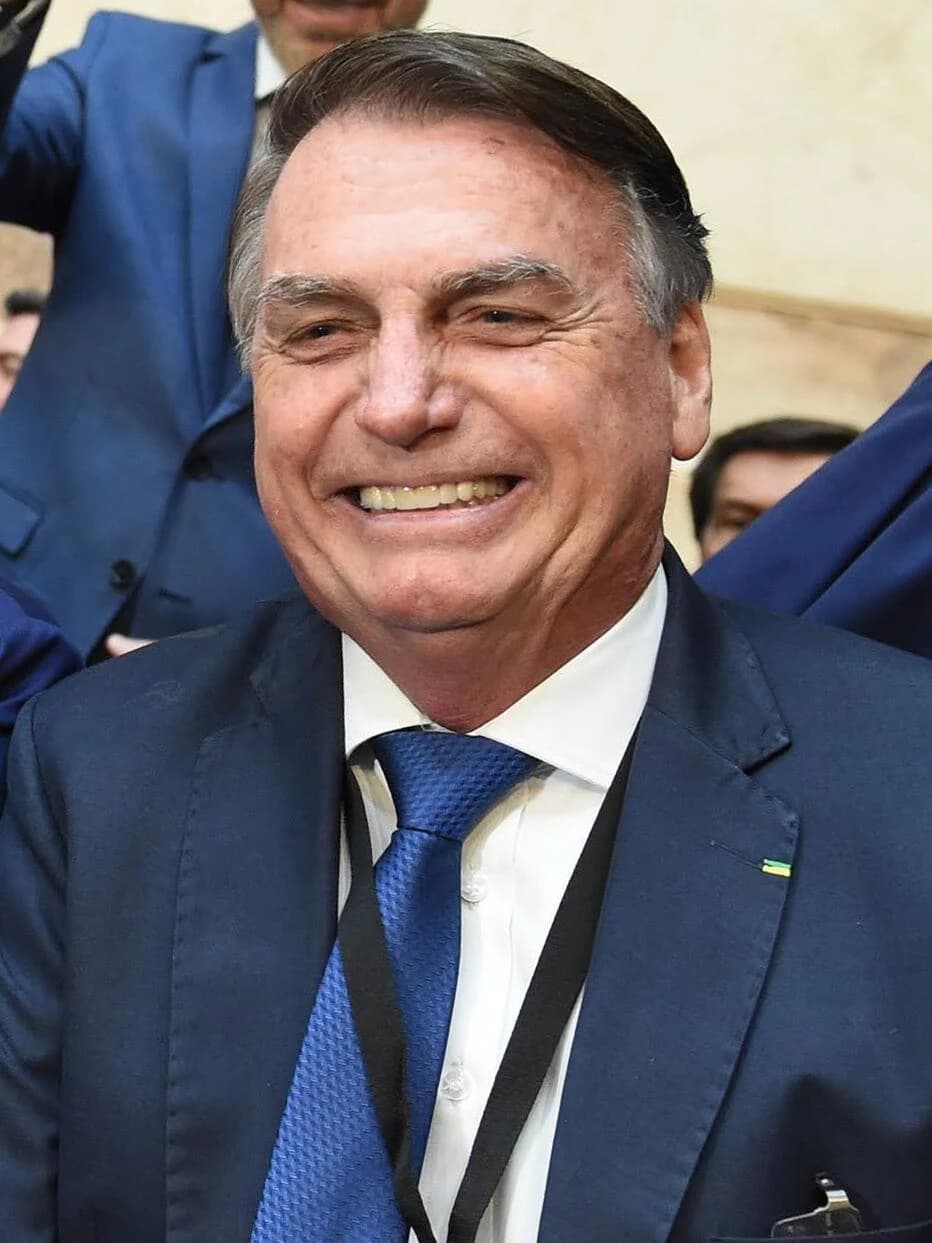
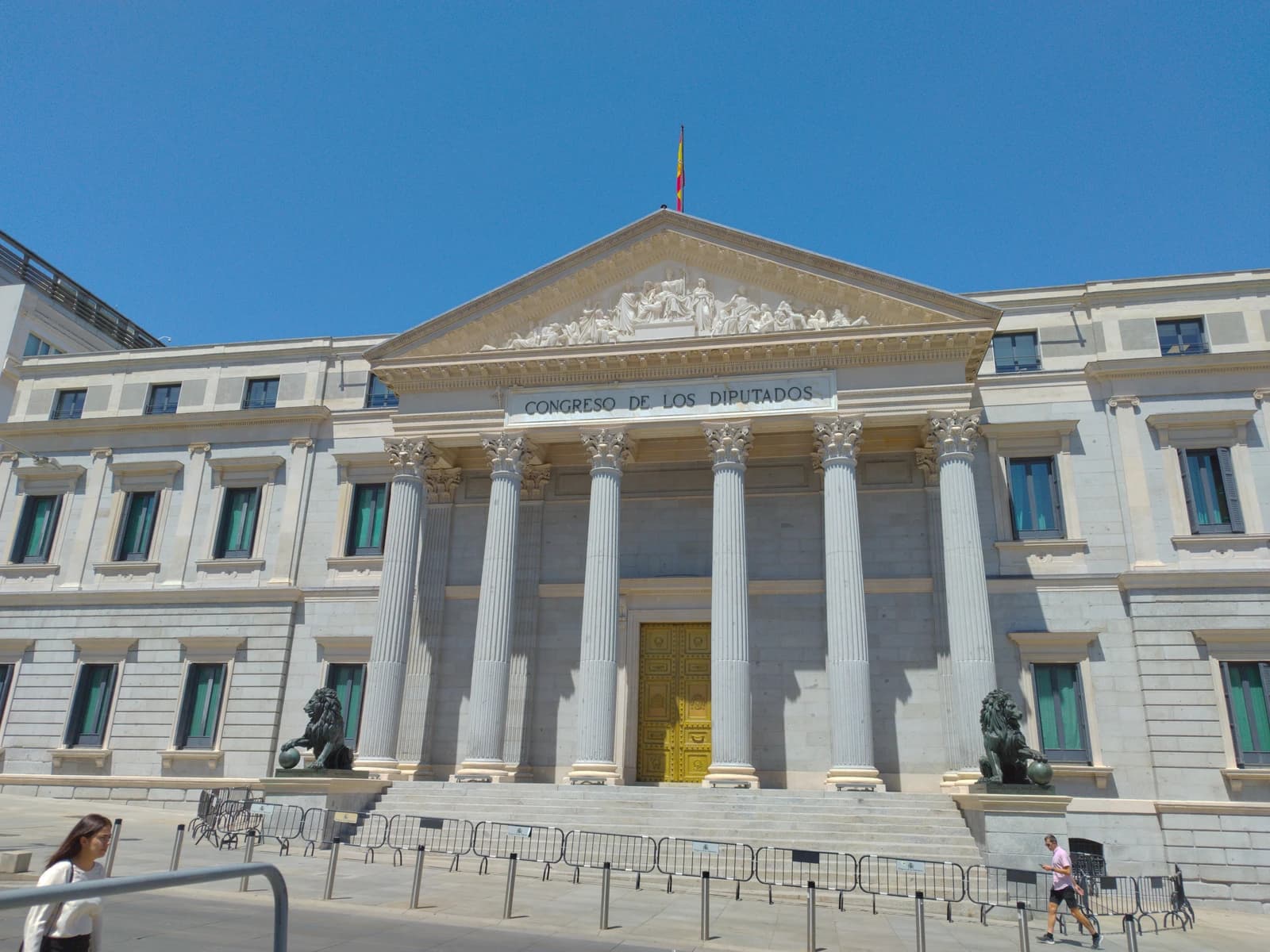
President Javier Milei’s arrival in Madrid this week puts him on a collision course with Spanish Prime Minister Pedro Sánchez at a summit already shaped by electoral politics, diplomatic friction and a wider fight over Europe’s far right.
Milei in Madrid Raises Spain-Argentina Tensions
The two leaders are not scheduled for a bilateral meeting, but they will share the stage at the Ibero-American Summit on Nov. 4-5, including the opening ceremony, plenary sessions and official group photo. That alone makes the encounter politically sensitive: Milei has repeatedly attacked Sánchez and his Socialist government, while Sánchez has used the summit’s run-up to cast Milei’s allies as part of what he calls a “far-right international” seeking to weaken Europe from within.
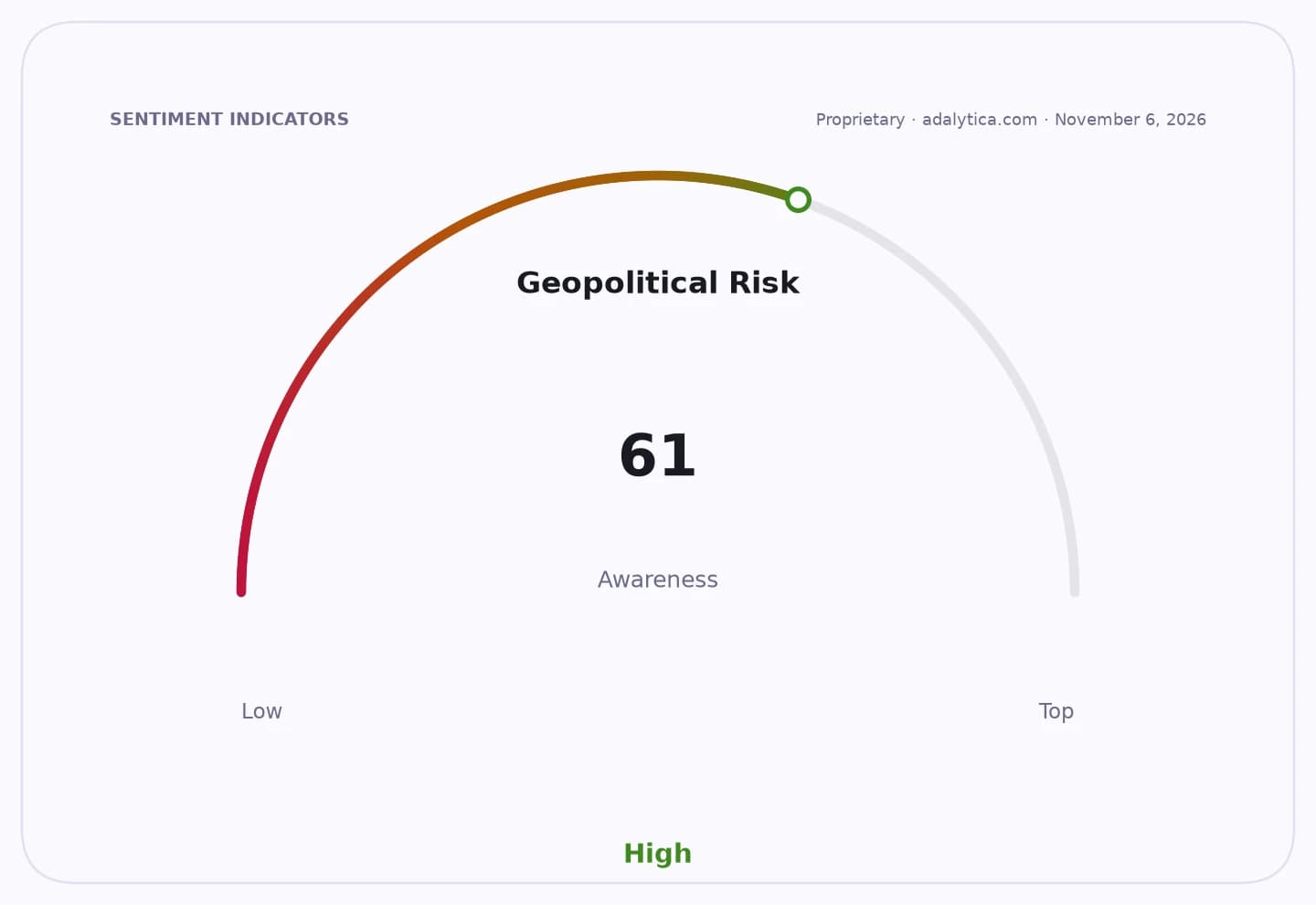
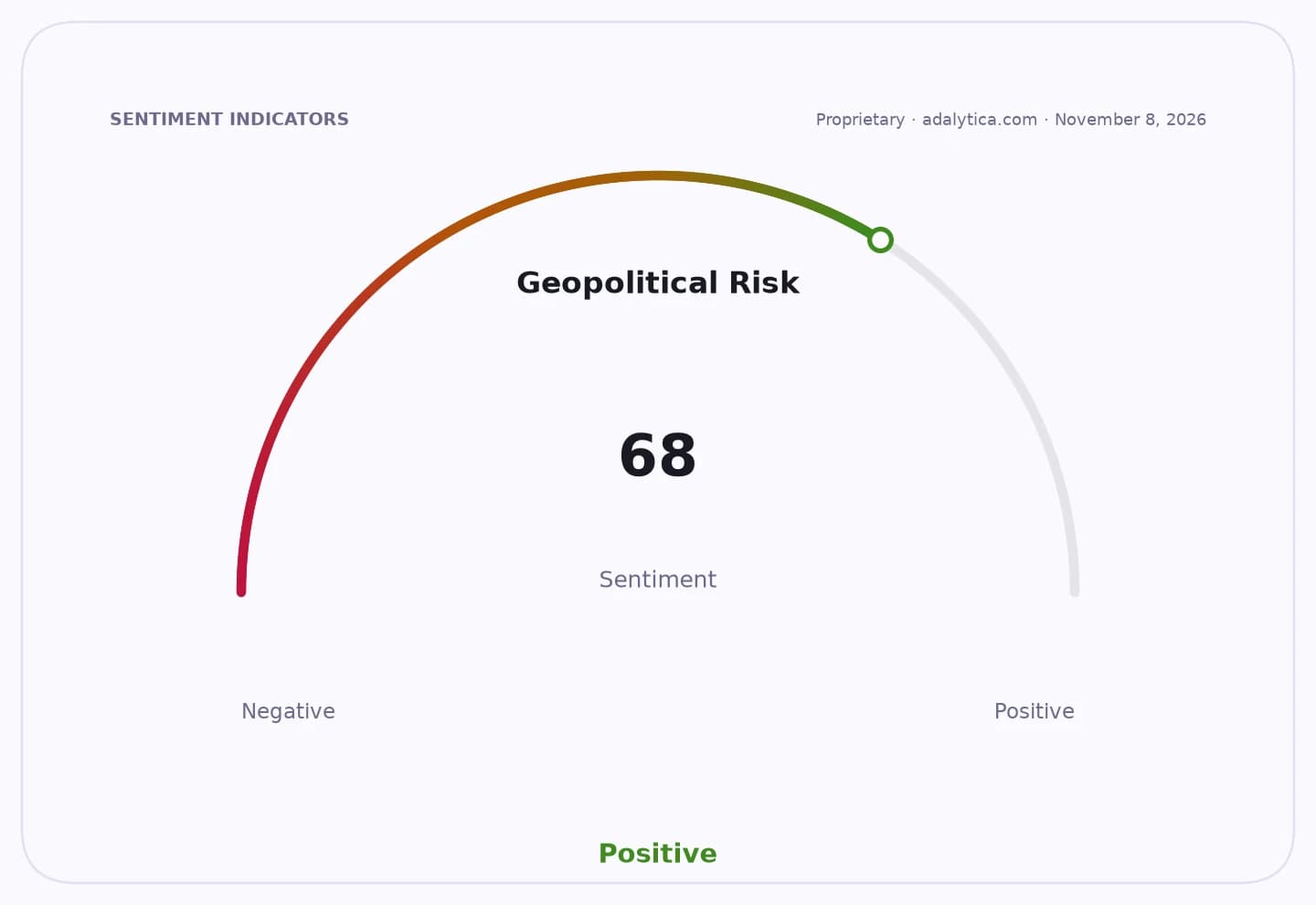
Sentiment Indicators
For investors and policymakers, the significance is less about protocol than about what it says on the state of Argentina-Spain relations and the wider ideological temperature in Europe and Latin America. Madrid remains an important bridge for Argentine engagement with the European Union, and the Argentine delegation is expected to pursue contacts aimed at strengthening those ties. Any deterioration in the political relationship could complicate that effort, particularly as Milei seeks external support for Argentina’s economic reset and broader reintegration with global markets.
Sánchez sharpened the confrontation on Monday in Barcelona, saying Spain is governed “from Spain, not from Washington, Tel Aviv, Moscow or Buenos Aires.” The line was a direct shot at Milei, who has aligned himself with a transnational network of conservative and libertarian leaders and has made Spain a recurring target in his broader culture-war rhetoric. Sánchez, facing a sensitive campaign ahead of Spain’s Nov. 29 general election, is also using the summit to frame the contest at home as a choice between centrist European governance and imported ideological confrontation.
That makes the Madrid gathering economically relevant beyond the symbolism. Spain is one of Argentina’s key European interlocutors, and Milei’s government has been leaning on foreign engagement to support credibility as it pushes fiscal austerity, deregulation and market opening. Public hostility between the two capitals does not necessarily block commerce or investment, but it raises the political cost of coordination, especially for Spanish firms with exposure to Argentina and for Argentine officials seeking investment, trade and diplomatic backing in Europe.
The absence of a formal bilateral meeting reduces the immediate risk of a diplomatic rupture, but close proximity at official events means the exchange will be watched for signs of escalation or tactical restraint. A calm encounter would preserve room for pragmatic contacts on trade and investment; a public clash would reinforce concerns that Milei’s confrontational style is carrying diplomatic costs at a moment when Argentina can least afford to alienate potential partners.
The broader backdrop is one of uneasy overlap between domestic politics and foreign policy. Sánchez wants to turn the summit into a stage for resistance to the far right. Milei wants to use the same forum to project economic and ideological alignment with like-minded governments. How both manage that choreography will matter for Spain’s election debate, Argentina’s European outreach and the tone of transatlantic relations in the months ahead.
| Entity | Gains | Losses |
|---|---|---|
| Sánchez and Spain’s Socialists | ▲Election contrast vs far right | ▼Risk of diplomatic friction |
| Milei and Argentina | ▲Visibility for Europe outreach | ▼Potential credibility hit |
| Spanish and Argentine investors | ▲Possible policy clarity | ▼Higher political noise |
| Far-right opponents | ▲Mobilization target for Sánchez | ▼More public scrutiny |