Moldova’s industrial engine is finally showing broad-based momentum, with output rising across every major sector and signaling a healthier foundation for the economy than headline GDP figures alone can capture.
Moldova Industry Shows Broad-Based Recovery
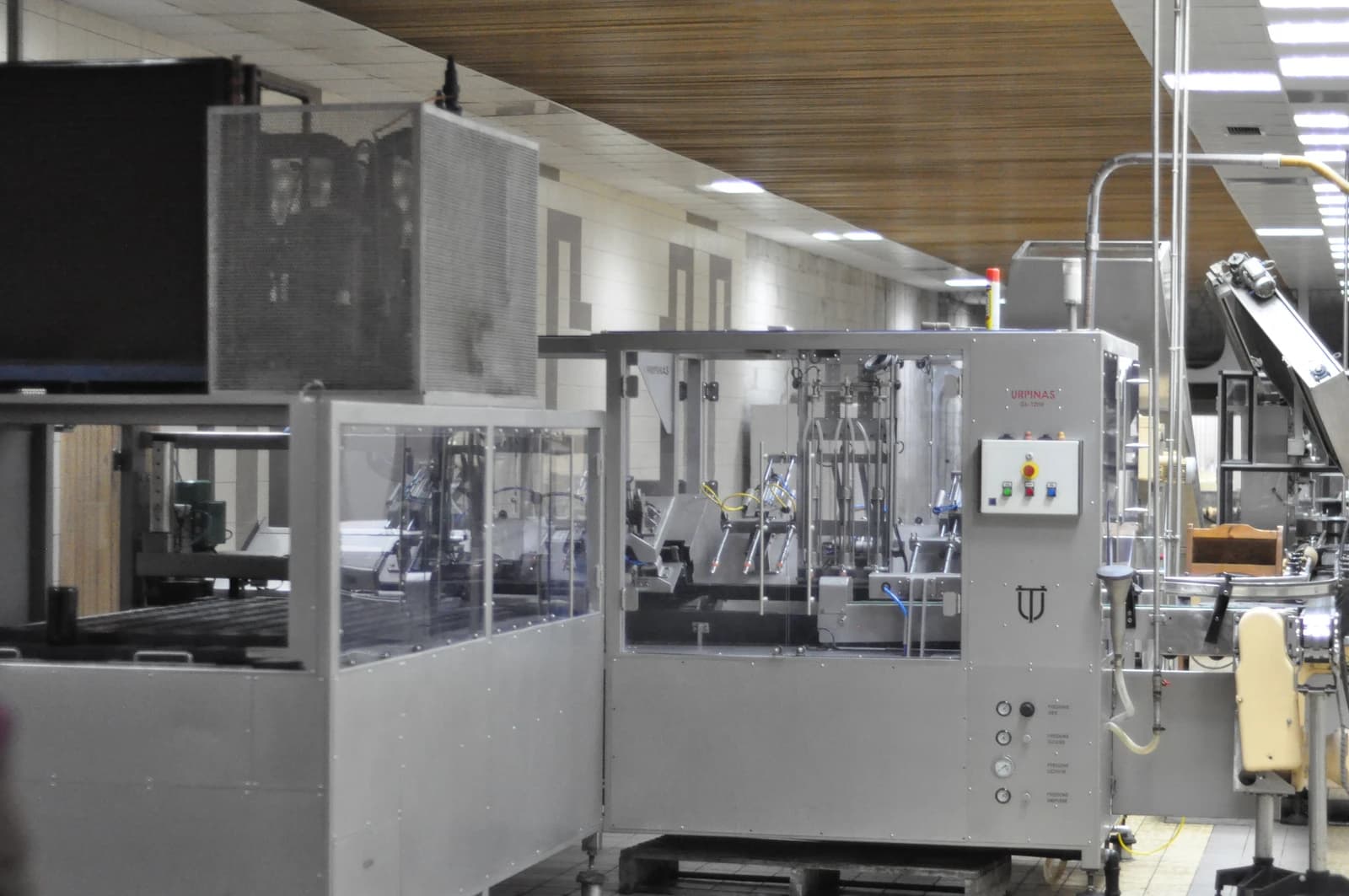
That matters because industrial production is one of the clearest gauges of whether growth is becoming self-sustaining. When factories, utilities and resource industries are all moving higher at the same time, it usually means demand is improving, capacity is being used more efficiently and the economy is generating more value without relying entirely on one-off boosts. For a small, open economy like Moldova’s, that kind of acceleration can feed through to jobs, wages, tax revenue and business confidence faster than many investors expect.
The latest data point to a steady upward trend rather than a one-month pop. Industrial output rose 3.22% in April, then edged up again in May and June, leaving the sector 2.64% higher over those three months and at 102.64 on the index. The official forecast for July suggests another gain, to 102.94. After the sharp pandemic-era drop in 2020, when industrial production fell to 84.56, the recovery has been uneven but persistent. The current level is now comfortably above the pre-pandemic baseline of 100, a reminder that Moldova’s manufacturing base has not only healed but is still expanding.
The broader economic backdrop supports that story. GDP has climbed to 31,865.7 in the latest reading, up from 30,098.0 a year earlier in the data series, showing that industrial gains are landing in an economy already moving forward. For investors, that combination is important: growth that comes from production rather than just consumption or external borrowing tends to be more durable. It can also make a country more attractive to lenders, trade partners and foreign investors looking for stable, long-term opportunities.
There is still a limit to how far industrial momentum can go on its own. Moldova remains exposed to external demand, energy costs and regional uncertainty, and its domestic market is small. But that is exactly why a broad pickup in industrial activity matters. It suggests the economy is building resilience from the inside out, not just waiting for a lucky break from exports or remittances.
For long-term investors, the message is straightforward: Moldova’s industrial recovery looks like a real economic trend, not noise. If production keeps rising across sectors, it could support better earnings prospects for local businesses, stronger fiscal footing for the state and a more compelling case for capital flowing into the country over the next few years. Worth watching, especially if you favor economies where improvement is broad, incremental and likely to compound.
| Entity | Gains | Losses |
|---|---|---|
| Moldovan manufacturers | ▲Higher output, better utilization | ▼Margin pressure if costs rise |
| Workers and households | ▲More jobs and income | ▼Little if growth stalls |
| The Moldovan state | ▲Stronger tax base | ▼Less room if momentum fades |
| Foreign investors | ▲Better growth narrative | ▼Patients if reforms lag |