Mongolia is keeping its hospital expansion plans alive in 2027, with 3 billion tugrik earmarked for the construction of the NCSC-2 hospital network as the government pushes ahead with a broader health-sector buildout that could reshape access to advanced care.
Mongolia funds NCSC-2 hospital network in 2027
The spending matters because healthcare infrastructure is one of the clearest multipliers in the budget: it creates immediate construction demand, supports medical-equipment procurement and, over time, expands the country’s capacity to treat complex diseases at home rather than sending patients abroad or forcing them to wait.
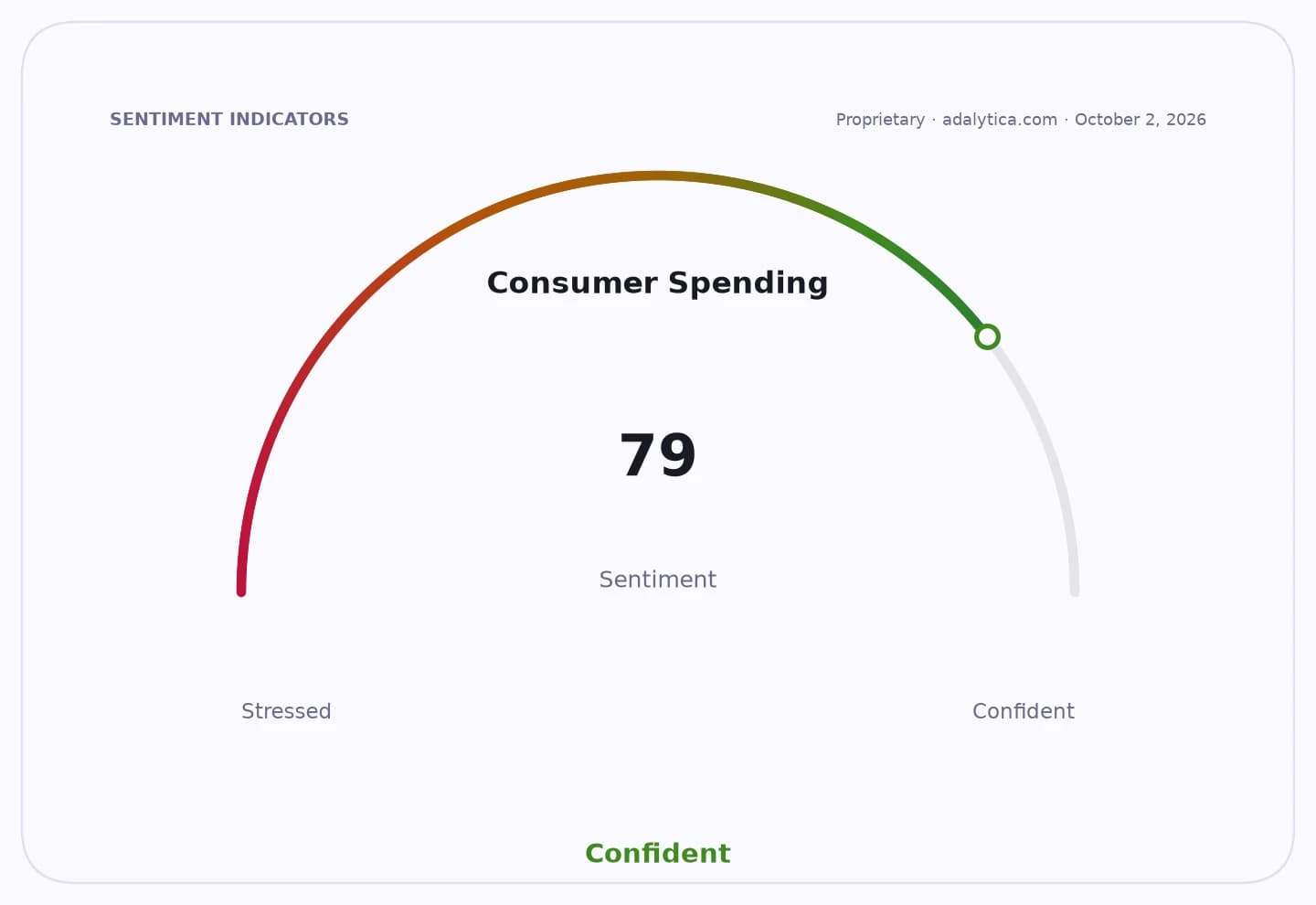
Sentiment IndicatorsⓘProprietary · adalytica.com · October 28, 2026
This is a snapshot — live sentiment, awareness and momentum for 130+ markets update continuously in the dashboard.Open AlphaPulse
That is especially important given the scale of the wider pipeline. The health ministry says 2.6 trillion tugrik will be spent on the sector in 2027, with 2.4 trillion going to current expenses and 213 million to capital spending, while 27 hospital and health-center projects are already being financed from the state budget and 19 more new hospital buildings are planned. On top of that, major projects such as the new Cancer Hospital and the Cardiovascular Hospital are expected to be built with foreign loans and aid, underscoring how deeply dependent the system remains on long-term capital inflows.
The NCSC-2 project, located in Sergelen soum in Tuv aimag, has already had its infrastructure work started in 2025, and officials had previously said the full new center would require 277 billion tugrik. In 2027, the budget covers 3 billion tugrik for external engineering lines and networks. That is not a full buildout, but it is enough to keep the project moving and preserve its place in a multi-year infrastructure cycle.
For investors, that is the real story: health spending is becoming a steady public-capex theme, not a one-off allocation. The new transplant center beside the National First Central Hospital alone is budgeted at 42.8 billion tugrik for 2027, after 43.1 billion in the prior draft, and is designed to be an eight-story, 120-bed facility with 15 operating rooms and imaging capacity. Officials say it could double annual service capacity and help 160 to 180 transplant patients a year, while also cutting untreatable disease by 10%. That kind of throughput expansion translates into recurring demand for equipment, engineering, maintenance, digital systems and specialist services.
The market implication is that healthcare-linked contractors, medical-device suppliers and hospital service providers stand to benefit first, while the losers are easy to identify: legacy facilities that remain overcrowded, patients facing delayed care and the state budget if these projects drift or run over cost. Where execution improves, the investment case broadens beyond direct construction into a longer cycle of equipment refreshes and service contracts.
The next catalyst will be whether these appropriations turn into visible project acceleration in 2027. If they do, Mongolia’s hospital network buildout could become one of the more durable domestic spending themes in the budget, with knock-on effects for construction, logistics, imported medical technology and private healthcare demand.
| Entity | Gains | Losses |
|---|---|---|
| NCSC-2 hospital network | ▲Funding continuity | ▼Delayed financing risk |
| Construction and engineering firms | ▲New project pipeline | ▼Idle capacity elsewhere |
| Medical equipment suppliers | ▲Procurement demand | ▼Legacy suppliers |
| Patients and hospitals | ▲Better access and capacity | ▼Overcrowding and delays |