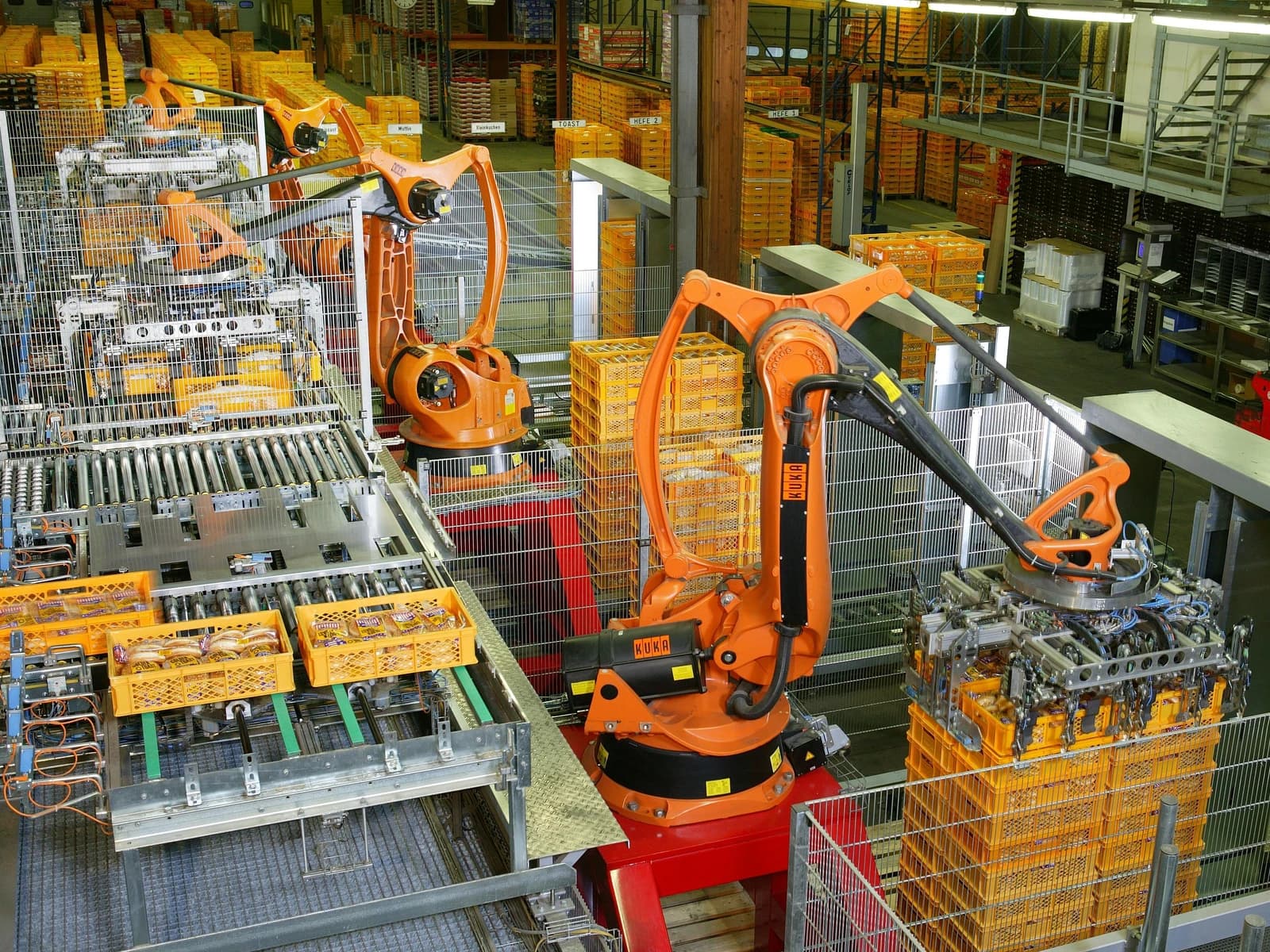
Montenegro’s robotics story is less about domestic industrial scale than about whether its engineers can win a place in one of technology’s most capital-intensive races: physical AI. Đorđe Vukčević’s work at Germany’s NEURA Robotics puts that question in focus, linking a small Balkan talent base to the fast-evolving market for robots that can see, navigate and make decisions alongside people.
Montenegro Engineers Join NEURA Robotics Race
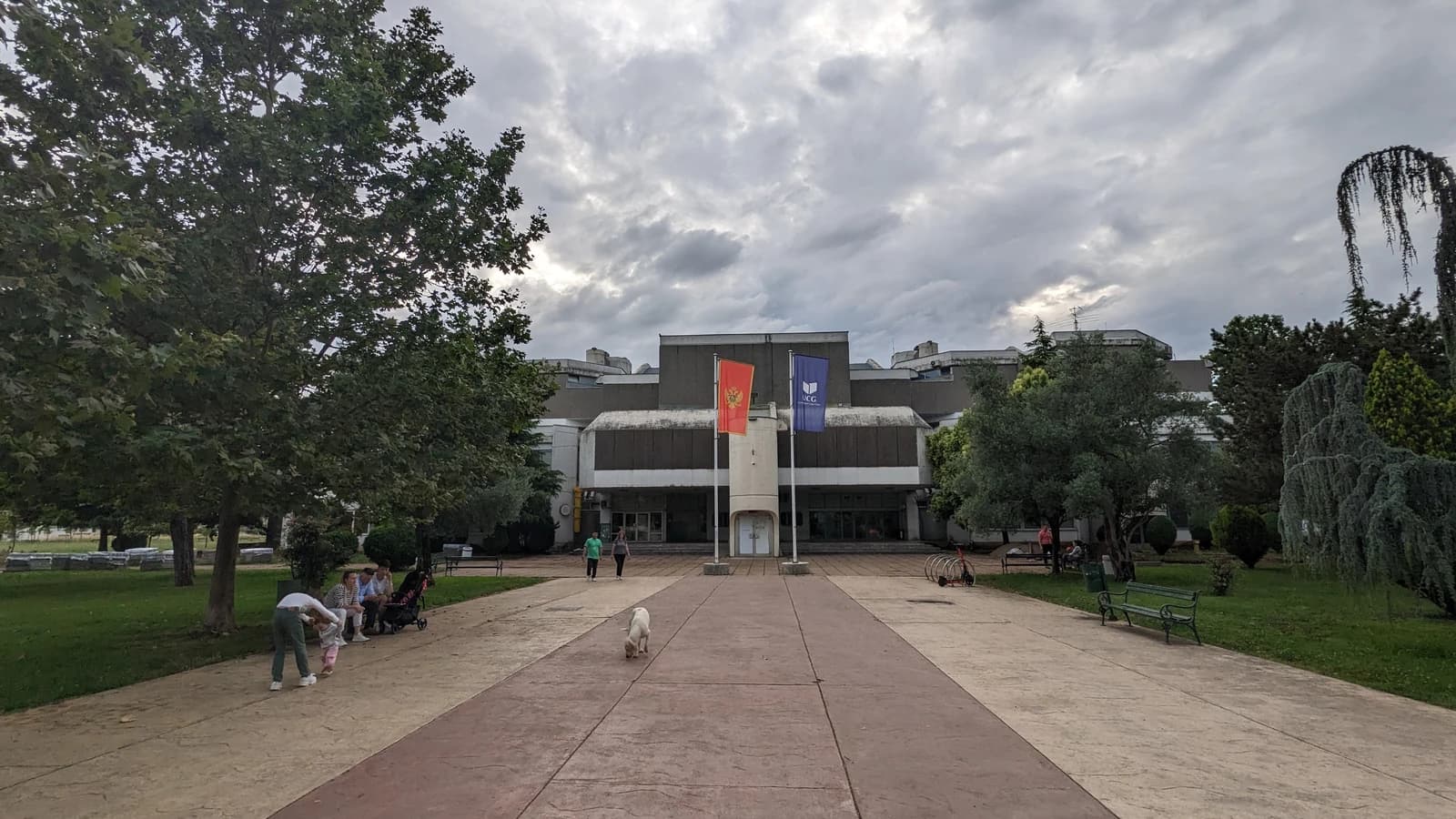
That matters economically because humanoid and collaborative robotics are moving from demonstration to deployment in factories, logistics and eventually care and security applications, even as investors and operators grow more cautious about the safety and ethics of autonomous machines. The sector’s promise is productivity: robots that can handle repetitive or dangerous tasks could offset labour shortages, raise output and reshape costs in manufacturing-heavy economies. The constraint is equally clear: the technology still has to prove it can operate reliably around humans, in unstructured environments, and under regulatory scrutiny.
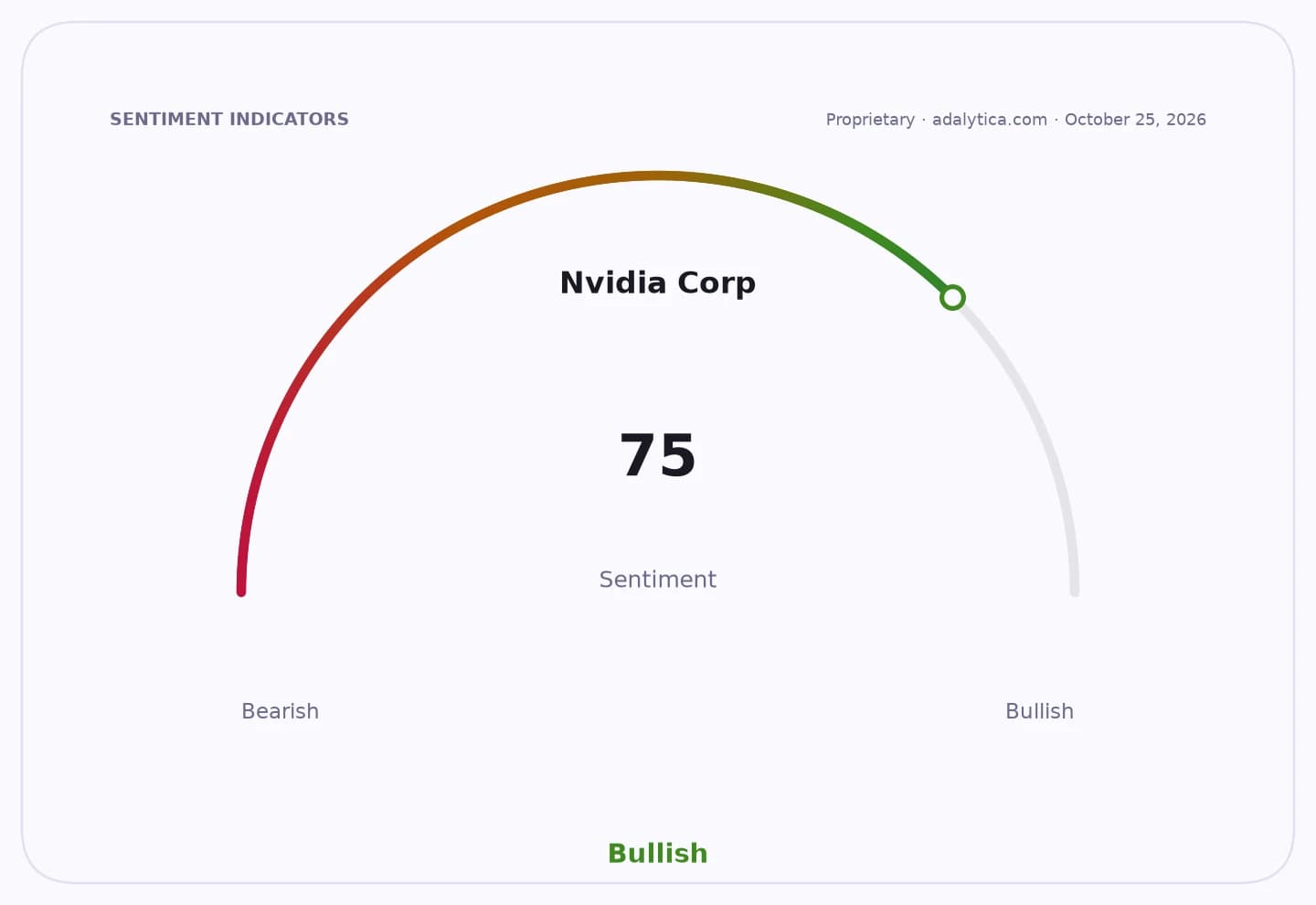
Sentiment Indicators
Artificial Intelligence
Vukčević’s trajectory illustrates where the real bottleneck in robotics lies. The hardware is only part of the challenge; the harder problem is software that lets a machine perceive space, interpret instructions and respond correctly in real time. That is why companies such as NEURA, and rivals including Figure AI, are pouring resources into AI-driven systems that combine perception, motion and decision-making. The race is no longer just to build a machine that walks, but one that can understand context and avoid dangerous mistakes.
For investors, the implication is twofold. First, talent is becoming a strategic asset in physical AI, just as it has been in cloud software and chip design. A small country can matter if its engineers feed global leaders in robotics and AI. Second, the commercial upside remains tied to execution risk. The news context points to enthusiasm cooling in some quarters because of unresolved safety questions, especially as robots inch closer to shared spaces with workers and consumers. That raises the value of companies able to pair capability with trust, testing and compliance.
The broader narrative is that robotics is entering the same phase that AI software did earlier: a shift from novelty to infrastructure, with winners likely to be those that solve integration, reliability and risk management rather than those that merely showcase the most advanced prototype. For Montenegro, the significance is reputational and economic. Even if the country is not yet a robotics hub, engineers like Vukčević show it can still export high-value technical labour into one of the most important industrial transitions of the decade.
The next catalyst will be whether companies such as NEURA can turn technical progress into repeatable commercial deployments. If they do, the market will reward not just the robot builders, but the ecosystems of engineers, suppliers and countries able to supply scarce AI-robotics talent.
| Entity | Gains | Losses |
|---|---|---|
| Montenegrin engineers | ▲Global exposure, higher-value jobs | ▼Local talent drain |
| NEURA Robotics | ▲Technical talent, faster product development | ▼Higher execution burden |
| Manufacturers and employers | ▲Productivity gains, labour relief | ▼Upfront integration costs |
| Cautious investors/competitors | ▲Slower adoption gives time to assess risk | ▼Missed first-mover upside |