PATEO is moving to turn the car cabin into a real AI computing environment, and that matters because the next wave of automotive value is likely to come less from metal and wheels than from software, subscriptions and in-vehicle intelligence.
PATEO Integrates NVIDIA and ByteDance AI in Cars
The Chinese cockpit-systems supplier said it is integrating NVIDIA Nemotron and ByteDance’s 35-billion-parameter Doubao language model into an AI Box built on NVIDIA DRIVE AGX Thor, a setup designed to run locally in the vehicle without relying on constant cloud connectivity. For automakers, that can mean faster responses, better privacy and more reliable AI features in markets where network coverage is uneven. For investors, it points to a broader shift in the auto industry: suppliers that can own the software stack may capture a richer slice of the profit pool than companies selling hardware alone.
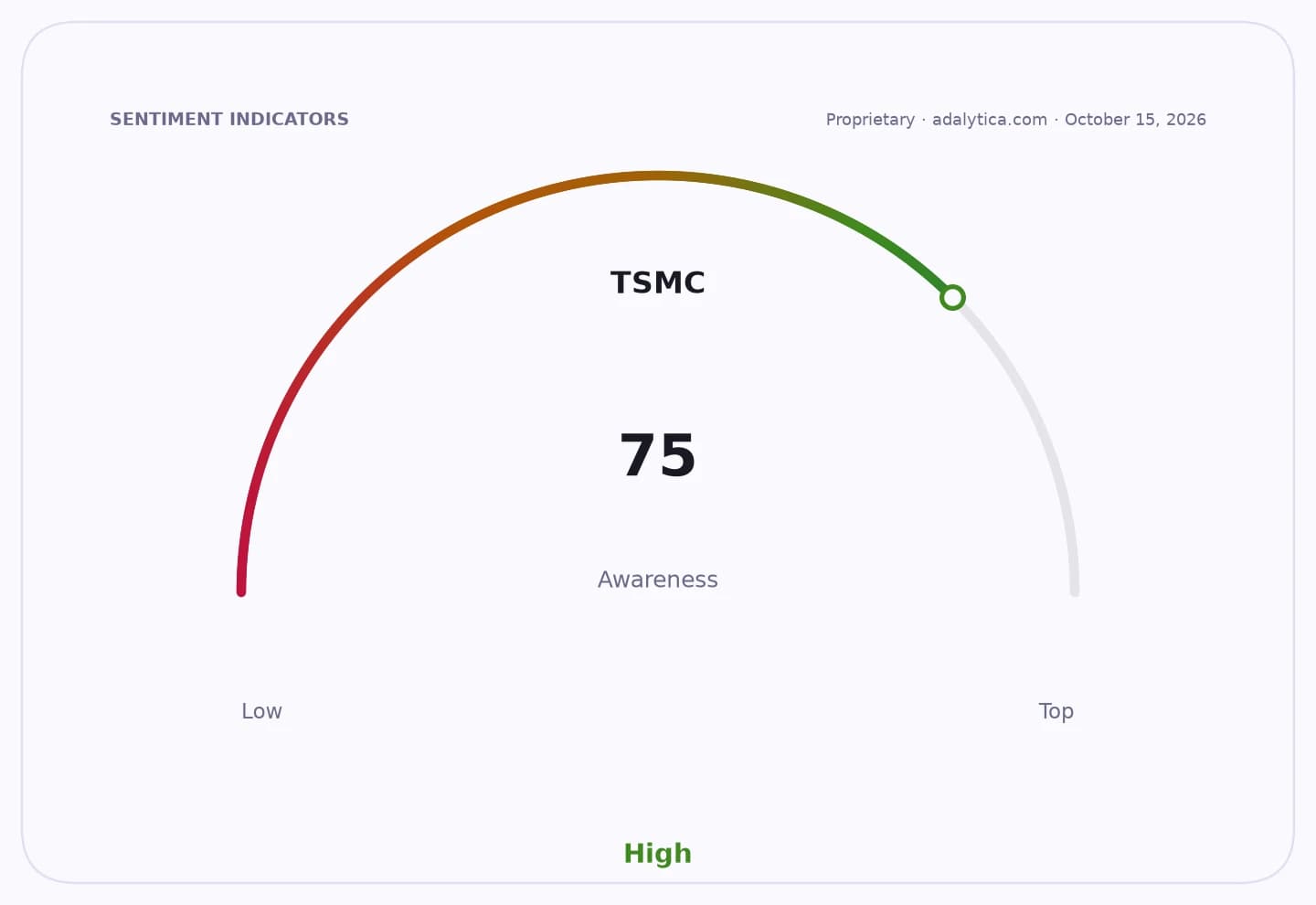
Sentiment Indicators
PATEO is pitching the system as more than a smarter voice assistant. It combines speech recognition, text-to-speech and multimodal interpretation of voice, vision and sensor inputs to manage cockpit functions, personalize preferences and coordinate tasks while staying within vehicle safety limits. In practical terms, the company is trying to make the car more proactive — warning about hazards such as flooding or fire, adjusting climate controls, detecting driver fatigue and responding to driving conditions in real time.
That local-processing angle is important for NVIDIA too. The AI Box is built on DRIVE AGX Thor, the kind of edge-computing architecture that extends NVIDIA’s reach beyond data centers and into vehicles, robotics and other physical AI applications. While NVIDIA shares fell sharply this week, with the stock dropping to $181.60 on Thursday from $206.69 on Nov. 3, the company’s long-term investment case still rests on exactly this kind of ecosystem expansion: getting its chips, software and developer relationships embedded across more end markets.
The partnership also shows how Chinese technology firms are trying to build around the limits of cloud-only AI. By running inference in the car, PATEO can offer core functions even when connectivity is poor, while still using cloud updates to expand features over time. That model is attractive to automakers because it creates a path for software upgrades in vehicles already on the road, rather than forcing a full hardware redesign.
PATEO said it has already won project selection from a major new-energy vehicle maker, with mass production planned for the second quarter of 2027. If that schedule holds, the collaboration could become a useful early template for how AI cockpit systems are commercialized at scale. The company is also positioning the AI Box as a reusable platform that can be adapted across vehicle programs, a strategy that could help it move from one-off hardware sales toward recurring AI services.
For investors, the bigger story is not just one supplier announcement. It is the growing evidence that cars are becoming software-defined products, and that the companies supplying the intelligence layer — especially those tied to high-performance compute — may build durable competitive advantages over the next decade. The risks are familiar: execution, cost, regulation and the uncertainty of whether car buyers will pay up for these features. But if PATEO can prove the model in mass production, this looks like the kind of platform shift that rewards patient investors rather than traders.
| Entity | Gains | Losses |
|---|---|---|
| PATEO | ▲richer software revenue mix | ▼higher execution burden |
| NVIDIA | ▲broader automotive demand | ▼near-term margin scrutiny |
| ByteDance | ▲deeper AI ecosystem reach | ▼tighter auto-industry dependence |
| Legacy cockpit suppliers | ▲little to none | ▼share of AI cockpit value |