Montenegro’s decision to require visas for Russian and Belarusian citizens from October marks a notable tightening of its border policy at a time when the country’s passport has become more attractive to travellers and investors navigating geopolitical risk.
Montenegro Visa Shift Risks Tourism, Boosts EU Alignment
The move matters because it pulls Montenegro further into the European Union’s orbit on travel controls, even as the Western Balkans remains economically reliant on tourism, real estate and foreign visitors. For a small, open economy, visa policy is not just diplomacy: it affects hotel bookings, short-term rental demand, residency planning and the perceived usefulness of a Montenegrin passport as a mobility asset.
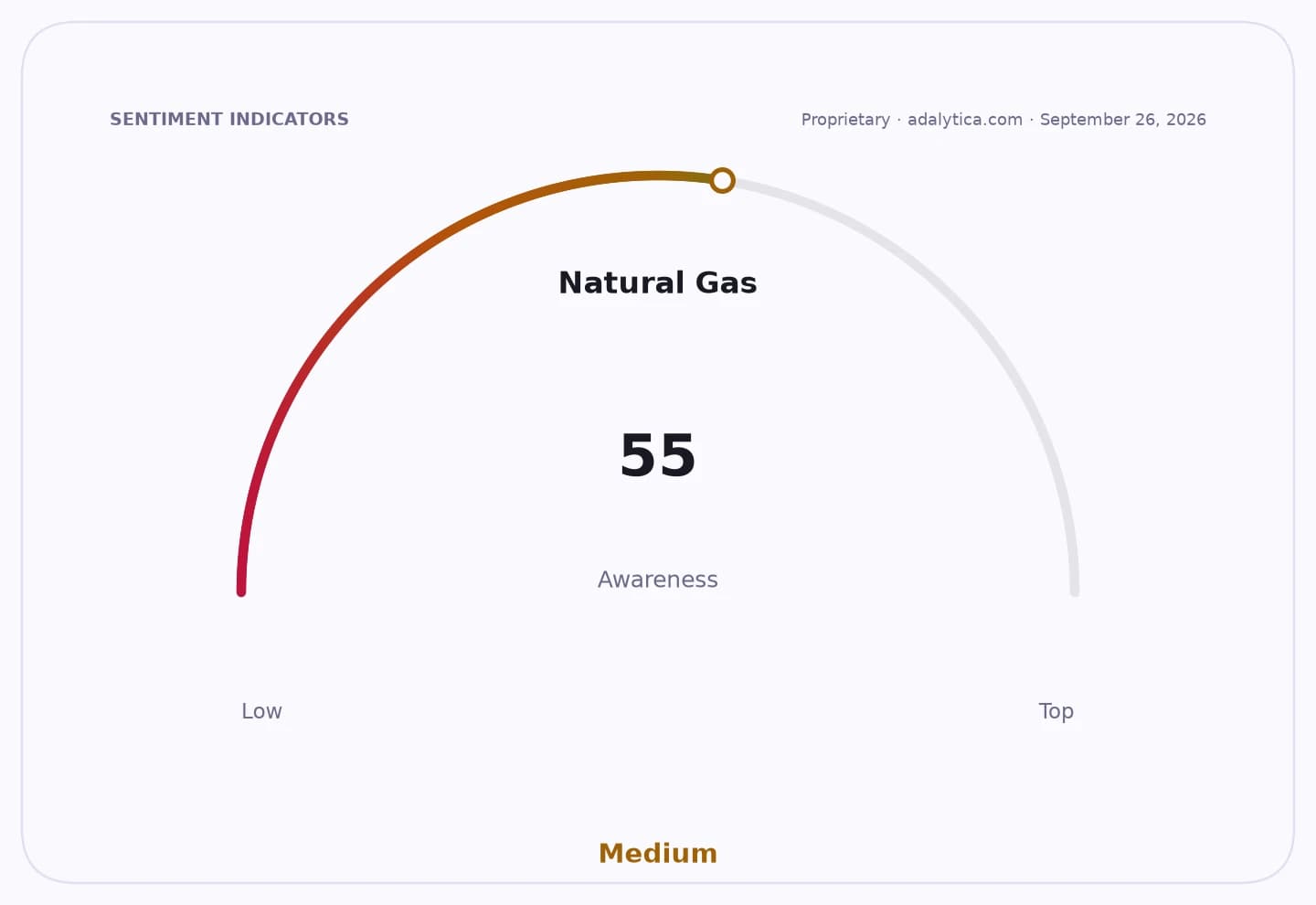
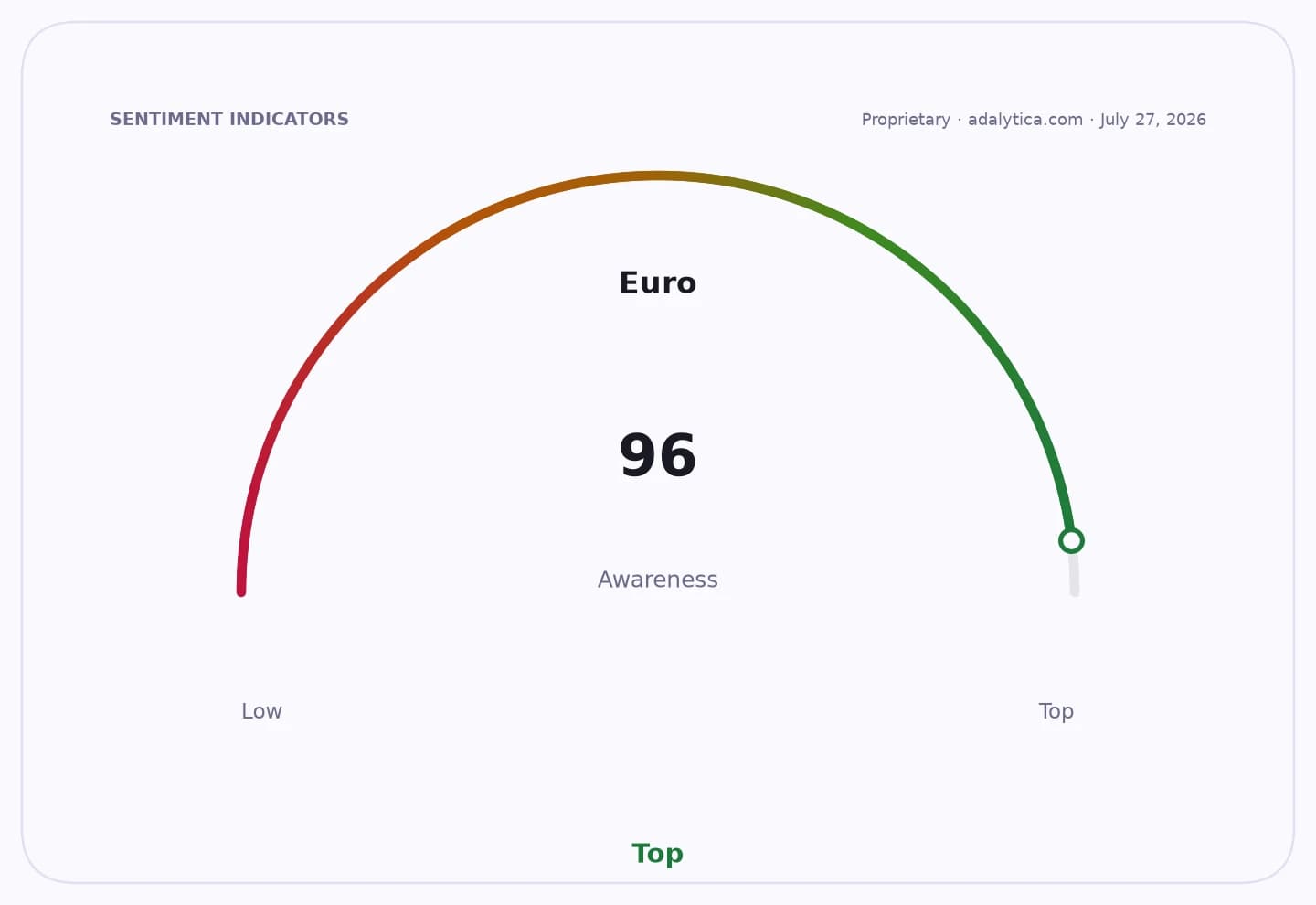
Sentiment IndicatorsⓘProprietary · adalytica.com · July 27, 2026
This is a snapshot — live sentiment, awareness and momentum for 130+ markets update continuously in the dashboard.Open AlphaPulse
Russia has long been one of Montenegro’s more important inbound tourism markets, especially along the Adriatic coast, and visa-free access has been a selling point for both leisure travel and business activity. Ending that access for Russians and Belarusians, while keeping a brief transition period for Russian entry until October 31, may reduce near-term visitor flows from a group that has often spent heavily in resort and property markets. It also signals that Podgorica is willing to accept some economic friction in exchange for closer alignment with EU policy.
The policy shift comes against a broader backdrop of scrutiny on Russian and Belarusian travellers across Europe, where governments have increasingly used border rules as a geopolitical tool. For Montenegro, which has been under pressure to harmonize with the bloc’s external border practices, the decision strengthens its credentials as an EU candidate seeking regulatory convergence. That could support longer-term investment appeal if it reassures European policymakers and institutional investors that the country is moving toward a more predictable rulebook.
For markets, the immediate winners are likely to be policymakers in Brussels and local operators serving broader European demand, while the losers are Russian and Belarusian visitors, as well as Montenegrin businesses exposed to those flows. There is also a second-order effect on passport demand: as travel rules tighten elsewhere, citizenship and residency programs in smaller European states can look more valuable, particularly to wealthy individuals seeking mobility, optionality and a hedge against political risk.
The bull case is that any hit to tourism from Russia and Belarus is manageable and offset by improved alignment with the EU, which may support larger capital inflows over time. The bear case is that Montenegro risks weakening an already seasonal tourism model before alternative demand fully replaces it, especially if geopolitical tensions persist and travel restrictions broaden.
Investors should watch whether the visa change is followed by further restrictions, whether tourist arrivals from Russia fall materially, and whether Montenegro uses the policy shift to accelerate integration with European institutions. If it does, the country’s passport and residency appeal may strengthen even as some near-term tourism revenues come under pressure.
| Entity | Gains | Losses |
|---|---|---|
| Montenegro-EU alignment | ▲Stronger policy convergence | ▼Short-term tourism flexibility |
| EU policymakers | ▲Tighter external-border discipline | ▼None material |
| Local tourism operators serving Europe | ▲Broader long-term demand | ▼Russian and Belarusian bookings |
| Russian and Belarusian travellers | ▲None material | ▼Visa-free access to Montenegro |