Moonshot AI has moved its Kimi model family deeper into the global frontier-AI race, unveiling Kimi K3.1 Pro with a 1-million-token context window and saying it will release the full model weights by Nov. 4.
Moonshot AI unveils Kimi K3.1 Pro model

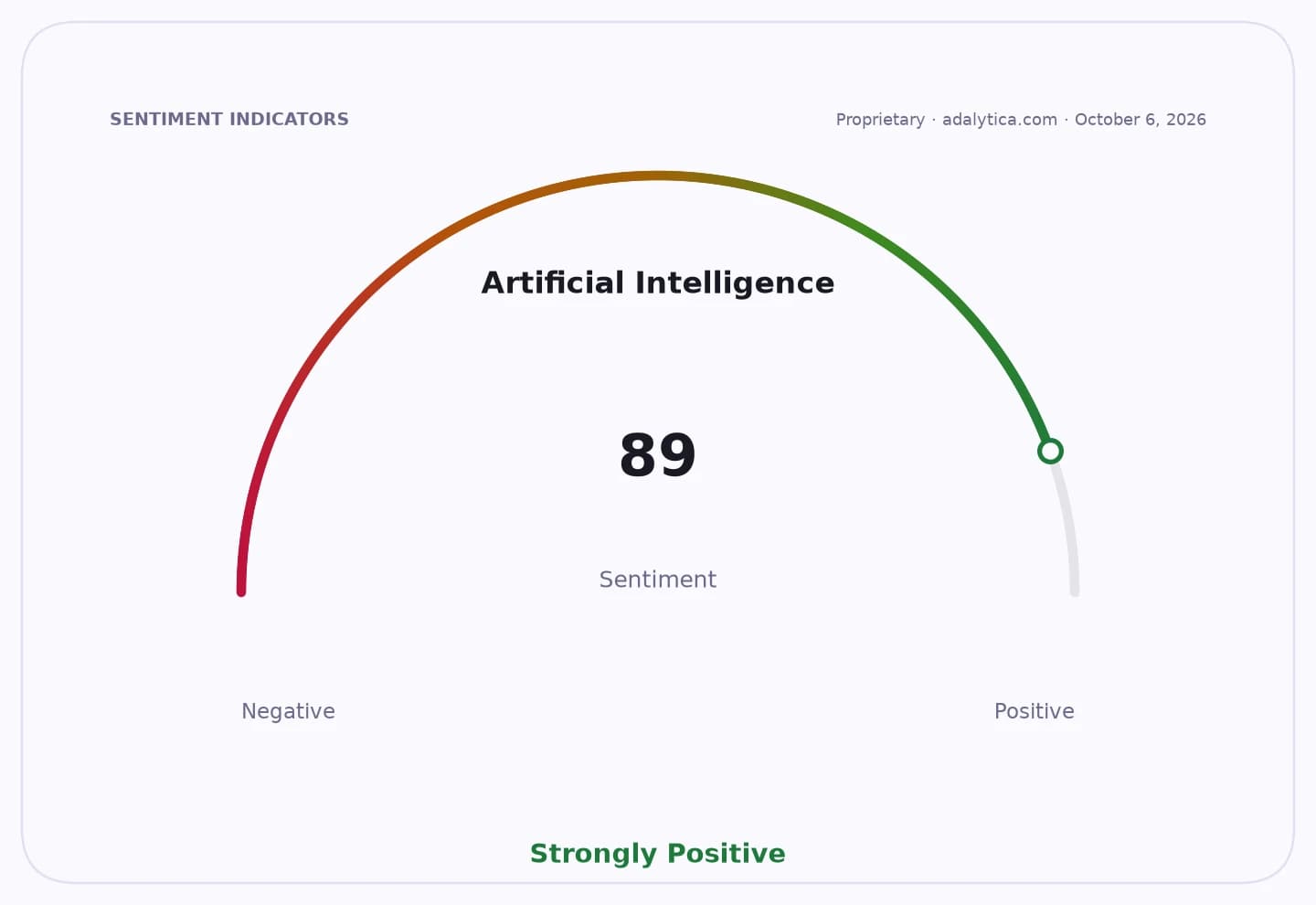
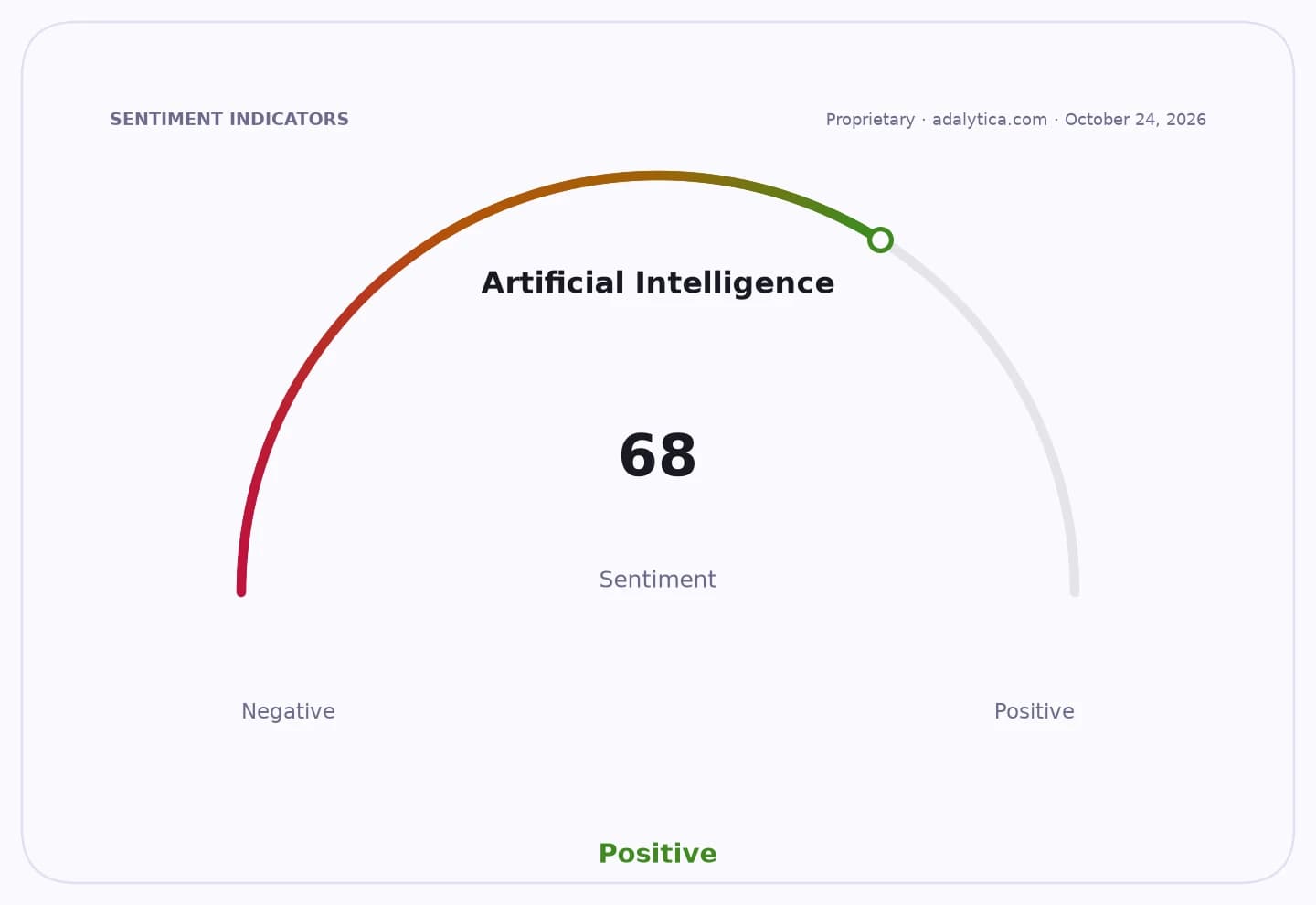
The launch matters because it is another sign that Chinese AI developers are pushing open-weight models toward capabilities once associated mainly with the best closed systems from US rivals. Moonshot said the new model is its most capable 3T-class open-weight release yet, with upgrades in coding, financial research, 3D creation and other agentic tasks. That expands the strategic value of open models for enterprises that want to run them privately, fine-tune them internally or deploy them at lower cost than proprietary alternatives.
Moonshot is also using scale and transparency as part of its competitive pitch. The company said K3.1 Pro was trained with significantly greater compute during post-training and that it has improved its reinforcement learning framework, long-context handling and infrastructure. The model is now live across Kimi.ai, Kimi Work, Kimi Code and the Kimi API, while a high-speed version offers 2-3 times faster response times for more interactive use cases.
The benchmark claims are aimed squarely at the market’s most closely watched comparison set: coding agents and enterprise automation. Moonshot said K3.1 Pro scored 65.7% on Terminal-Bench 4.0, ahead of GPT-6 Astra’s 58.2% and close to Claude Opus 5.5’s 66.4%, while its own Kimi Code Bench 3.0 Long-horizon score rose to 61.2% from 55.95% for K3. For investors, that is the key question: whether Chinese open models are reaching a level where performance no longer lags enough to block commercial adoption.
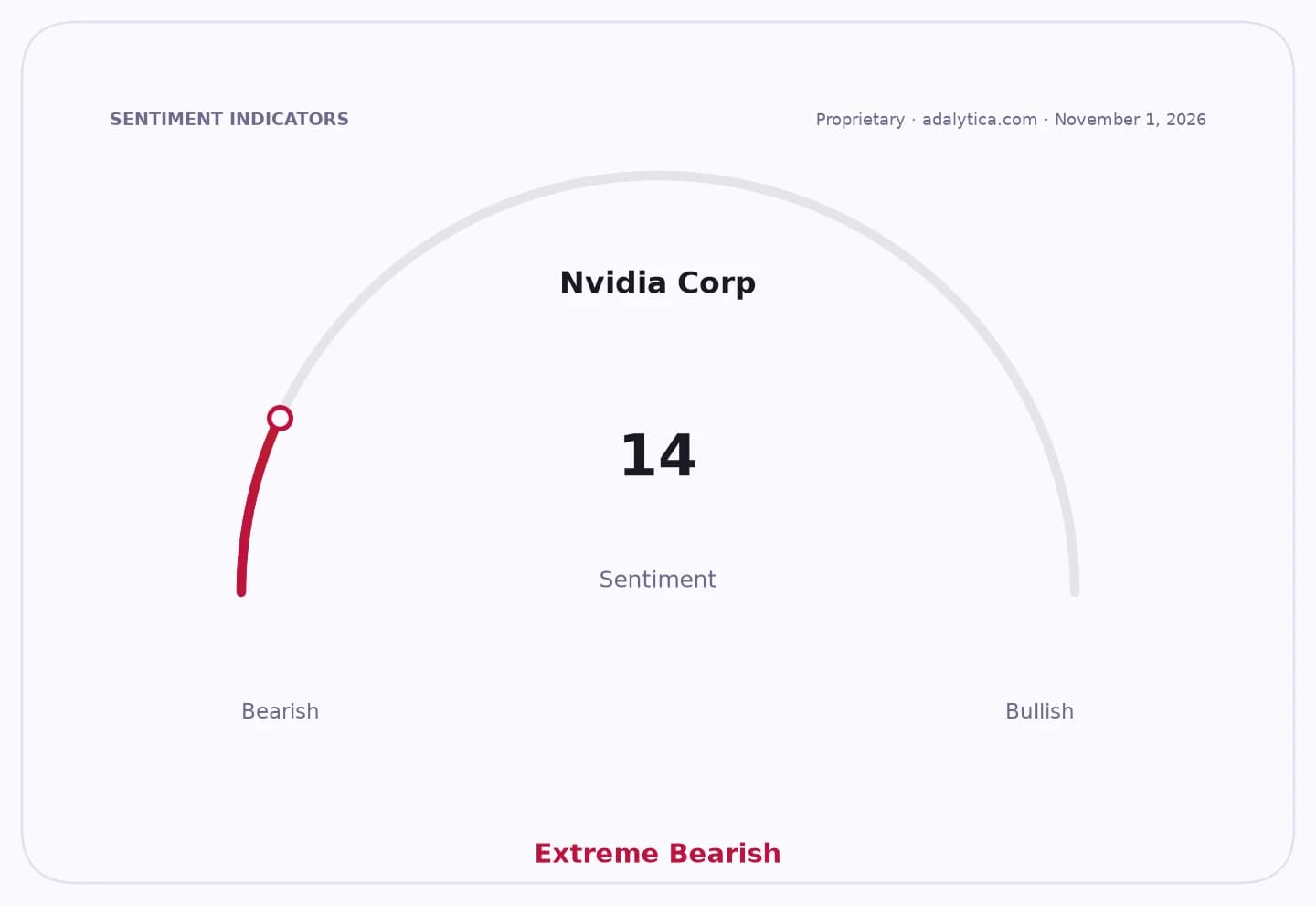
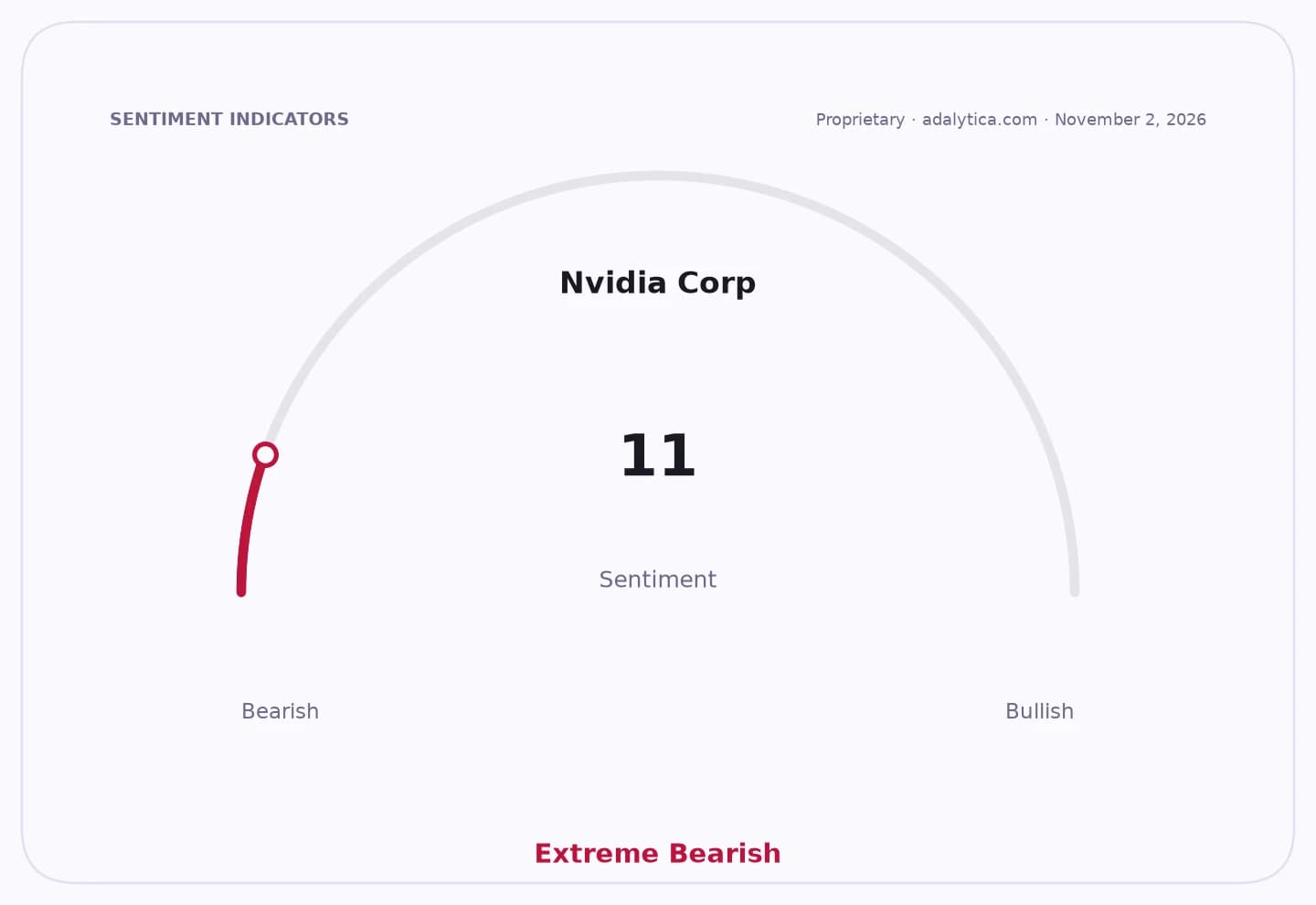
The broader economic implication is pressure on the premium attached to proprietary AI platforms and the chip-and-cloud stack that supports them. If open-weight Chinese models become more capable and more widely distributed, they can accelerate enterprise adoption in Asia and beyond, but they may also intensify competition on pricing, inference demand and model access. That is relevant to cloud providers, AI software vendors and chipmakers such as Nvidia, whose shares have been trading below the 50-day moving average and near the lower end of recent technical ranges after a sharp pullback from summer highs.
Chinese AI names also stand to benefit from the local momentum. Alibaba’s U.S.-listed shares and the broader KWEB internet ETF have both weakened recently, but Moonshot’s release reinforces the case that China’s AI ecosystem remains active despite US export controls and broader tech tensions. In that sense, the story is not just about one model launch; it is about China’s attempt to prove that it can build frontier-grade systems on its own terms, with open distribution as a strategic advantage.
For investors, the next catalyst is the November weight release. If Moonshot makes the full model available as promised, developers will be able to test whether the benchmark gains hold up in real-world deployment. That will help determine whether Kimi K3.1 Pro becomes another reference point in China’s AI upcycle — or simply another headline in an increasingly crowded race.
| Entity | Gains | Losses |
|---|---|---|
| Moonshot AI | ▲Wider adoption; stronger credibility | ▼Higher compute and release risk |
| Chinese AI ecosystem | ▲More competitive open models | ▼Pressure to keep pace on scale |
| Enterprise users | ▲Lower-cost model access | ▼Greater vendor-switching complexity |
| Proprietary AI rivals | ▲Benchmark pressure to innovate | ▼Pricing and moat pressure |