Borrowing against a brokerage portfolio is becoming a more attractive way for wealthy households to fund everything from mortgages to credit-card balances as benchmark rates remain high and retail lenders keep charging far more than market funding costs.
Morgan Stanley margin loans rise as rates stay high
That shift matters because it channels more consumer demand into securities-based lending, a fast-growing corner of wealth management where banks and brokers can lend at rates tied more closely to funding markets than to the double-digit charges many households still face on revolving credit. The Federal Reserve’s policy rate is holding at 3.63%, while the 10-year Treasury is around 4.68%, leaving a wide gap between institutional funding costs and the rates many card issuers and consumer lenders still quote.
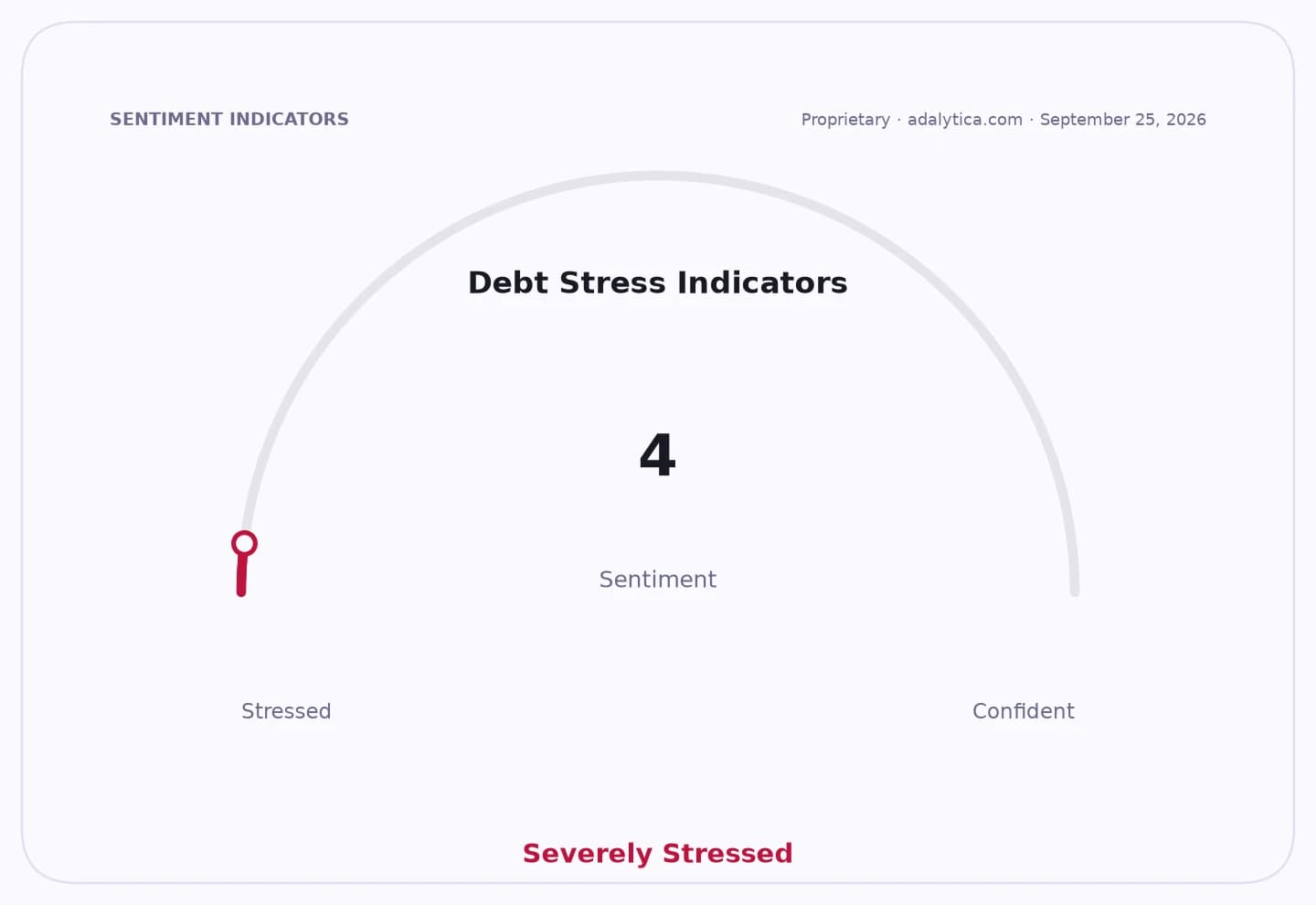
Sentiment IndicatorsⓘProprietary · adalytica.com · August 22, 2026
This is a snapshot — live sentiment, awareness and momentum for 130+ markets update continuously in the dashboard.Open AlphaPulse
For banks, the business is attractive. Morgan Stanley, Goldman Sachs and JPMorgan all disclose sizable margin-loan books tied to brokerage and wealth clients, with lending secured by liquid portfolios and the right to issue margin calls if collateral falls. Morgan Stanley said margin loans and other lending totaled $100.3 billion at June 30, up from $83.9 billion at year-end, while Goldman’s securities-based lending and other collateralized loans remain a material part of its wealth and lending operations.
Investors tend to like the model because it is fee-rich and capital-light relative to unsecured consumer lending. It also benefits from the same high-rate backdrop squeezing households: the longer policy rates stay elevated and the more expensive consumer credit remains, the more incentive affluent clients have to tap portfolio value instead of selling assets or borrowing at retail rates.
The trade-off is credit and market risk. These loans are only as good as the collateral backing them, and banks note that sharp market moves can quickly trigger margin calls or force liquidations. That makes the product highly sensitive to equity volatility, especially if borrowers use the proceeds for non-investment spending such as debt paydown or real estate rather than for trading.
The broader narrative is straightforward: in a higher-rate economy, portfolios are increasingly functioning as balance sheets. That is a win for large wealth managers and a potential pressure point for retail lenders, while investors will watch whether continued demand for securities-backed borrowing helps banks offset slower growth elsewhere in lending and investment banking.
| Entity | Gains | Losses |
|---|---|---|
| Morgan Stanley, Goldman Sachs, JPMorgan | ▲Higher-margin secured lending | ▼Credit and collateral risk |
| Affluent borrowers | ▲Cheaper market-rate funding | ▼Margin calls if assets fall |
| Retail card lenders | ▲— | ▼Share of high-rate borrowing |
| Bank investors | ▲Fee growth and lending spread income | ▼Volatility-driven loan losses |