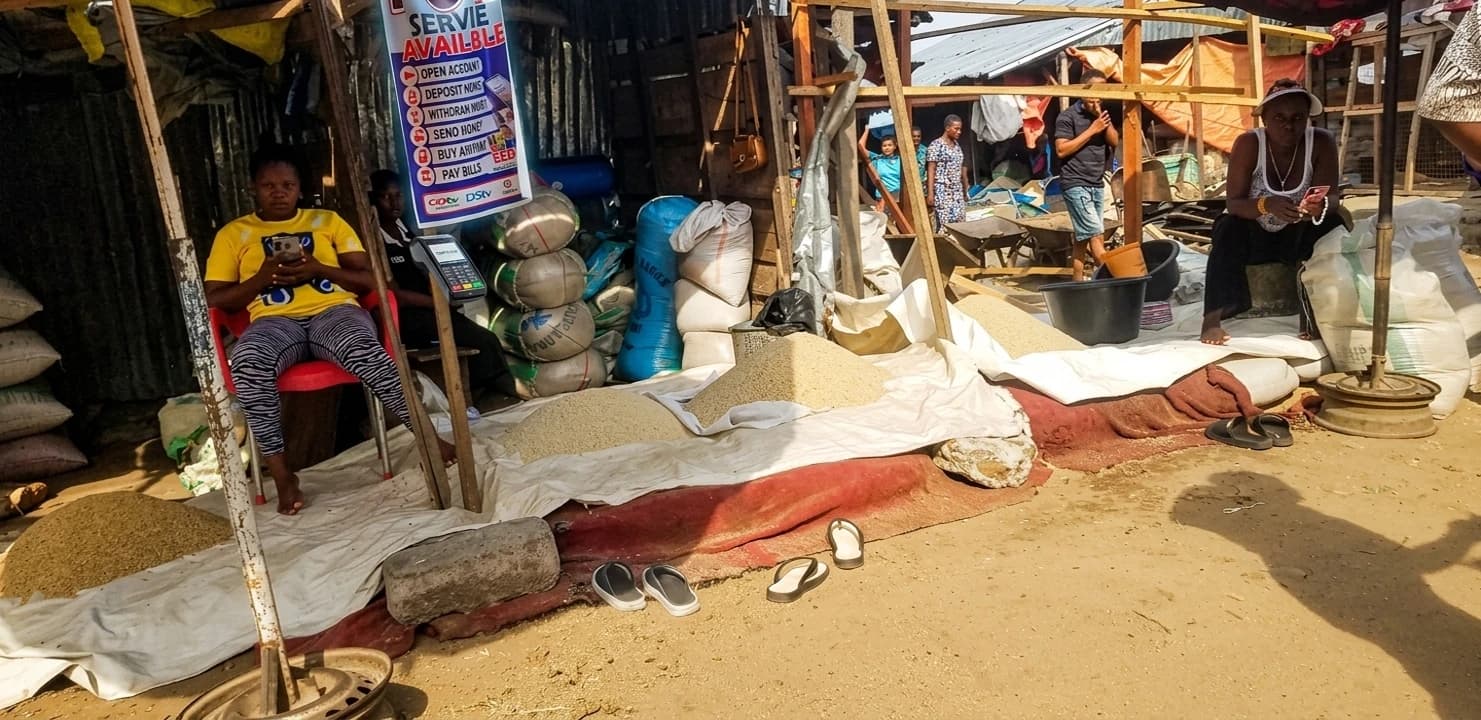
Household debt in Morocco climbed to a record in 2025, a sign that consumer borrowing is still doing a lot of the work supporting demand even as households face tighter credit conditions and a softer global backdrop.
Morocco Household Debt Hits Record, Pressuring Consumers
That matters because rising indebtedness can help sustain retail sales, housing demand and bank lending in the short run, but it also increases the economy’s sensitivity to higher rates, slower wage growth and any deterioration in employment. For investors, the key question is whether Morocco’s household balance sheets can absorb the extra leverage without a rise in delinquencies, or whether the credit cycle is nearing a point where banks have to tighten standards.
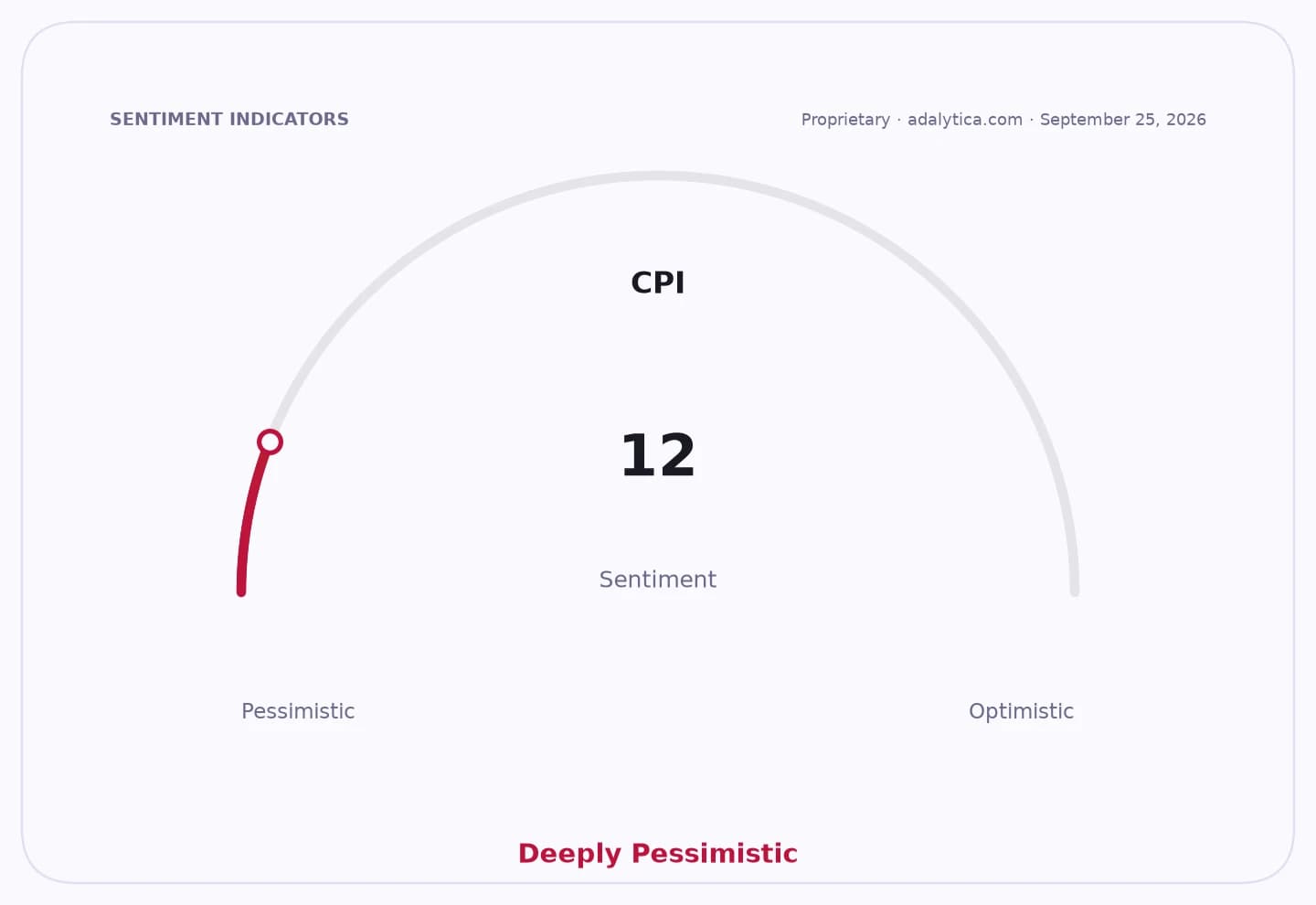
The macro backdrop is not especially forgiving. The U.S. 10-year Treasury yield was around 4.7%, while core inflation in advanced economies remains elevated and unemployment is low by historical standards, conditions that keep funding costs relatively firm and limit the room for central banks to ease quickly. In Morocco, that combination implies households are borrowing into an environment where debt service costs can stay high for longer, particularly if domestic lenders reprice loans or if disposable incomes are squeezed.
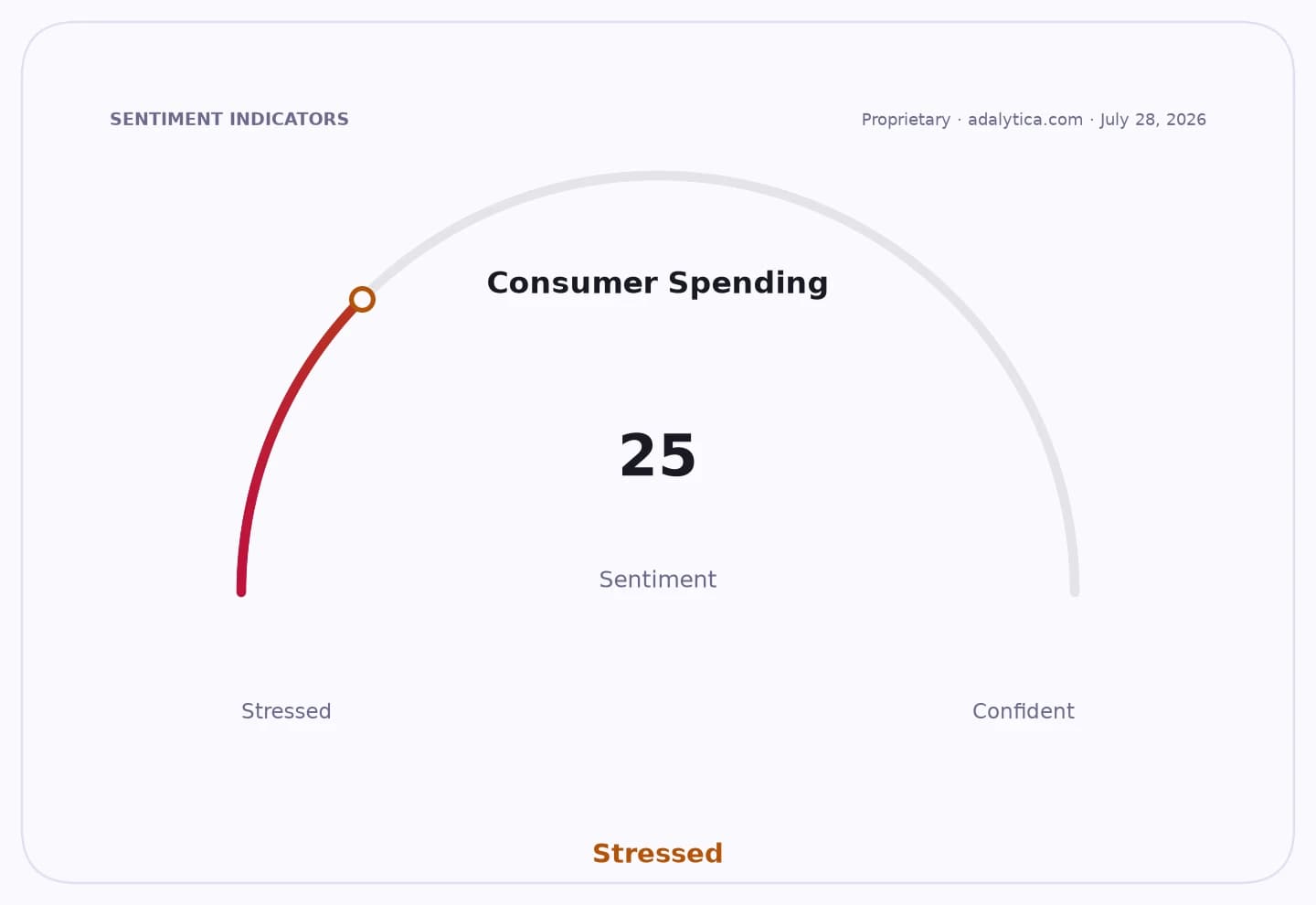
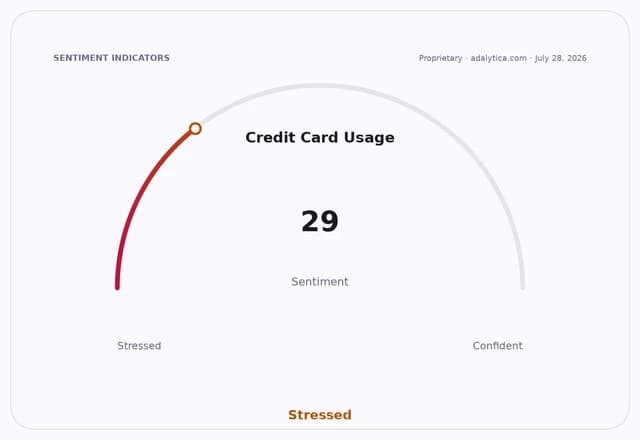
The pressure point is visible in consumer behavior. Adalytica’s consumer spending sentiment gauge has fallen to 25, in “Fear,” with awareness at 11 and described as “Extreme Fear,” while credit card usage sentiment sits at 29, also in “Fear.” That suggests households are becoming more cautious even as borrowing has continued to rise, a mix that often precedes slower discretionary spending and weaker sales growth for retailers, lenders and consumer-facing businesses.
For banks, the record debt load is a double-edged development. On one hand, it supports loan growth and interest income, especially for lenders with strong retail franchises. On the other, it raises the risk that a future slowdown shows up first in unsecured consumer credit, revolving balances and lower-income borrowers. Investors will be watching delinquency trends, loan-loss provisioning and management commentary on underwriting standards for signs that the cycle is turning from expansion to stress.
There is also a broader policy angle. Morocco’s rising household debt points to the challenge facing policymakers trying to balance growth with financial stability. Too much tightening could curb consumption and housing activity; too little could leave households more vulnerable if inflation, rates or unemployment move unfavorably. The market implication is straightforward: the debt record is not just a household story, but a read-through on domestic demand, bank asset quality and the durability of growth.
For investors, the next catalysts are data on household credit growth, arrears and central bank policy guidance. If borrowing continues to climb while sentiment and spending weaken, the risk is that Morocco’s consumer-led support for the economy fades faster than banks and lenders have priced in.
| Entity | Gains | Losses |
|---|---|---|
| Moroccan banks | ▲Loan growth | ▼Higher credit risk |
| Consumers with access to credit | ▲Near-term spending power | ▼Heavier debt service |
| Retailers and consumer lenders | ▲Short-term demand support | ▼Slower demand if delinquencies rise |
| Regulators and policymakers | ▲Clearer stability signal | ▼More pressure to tighten oversight |