A financial crimes watchdog’s discovery of coordinated mortgage fraud is set to reverberate through the U.S. housing finance market, threatening lenders’ margins, raising repurchase risk and adding another layer of pressure to an already strained mortgage sector.
Mortgage Fraud Watchdog Probe Hits U.S. Lenders
The significance is less about a single criminal ring than about what it exposes: mortgage fraud is not just an isolated underwriting failure, but potentially a systemic control problem that can move quickly from originators to secondary-market investors, insurers and housing agencies. In a market where 30-year mortgage rates are still running at 6.67% to 6.69% and home prices remain near record highs, any rise in fraud-related losses can tighten credit further and make lenders more selective just as affordability is already stretched.
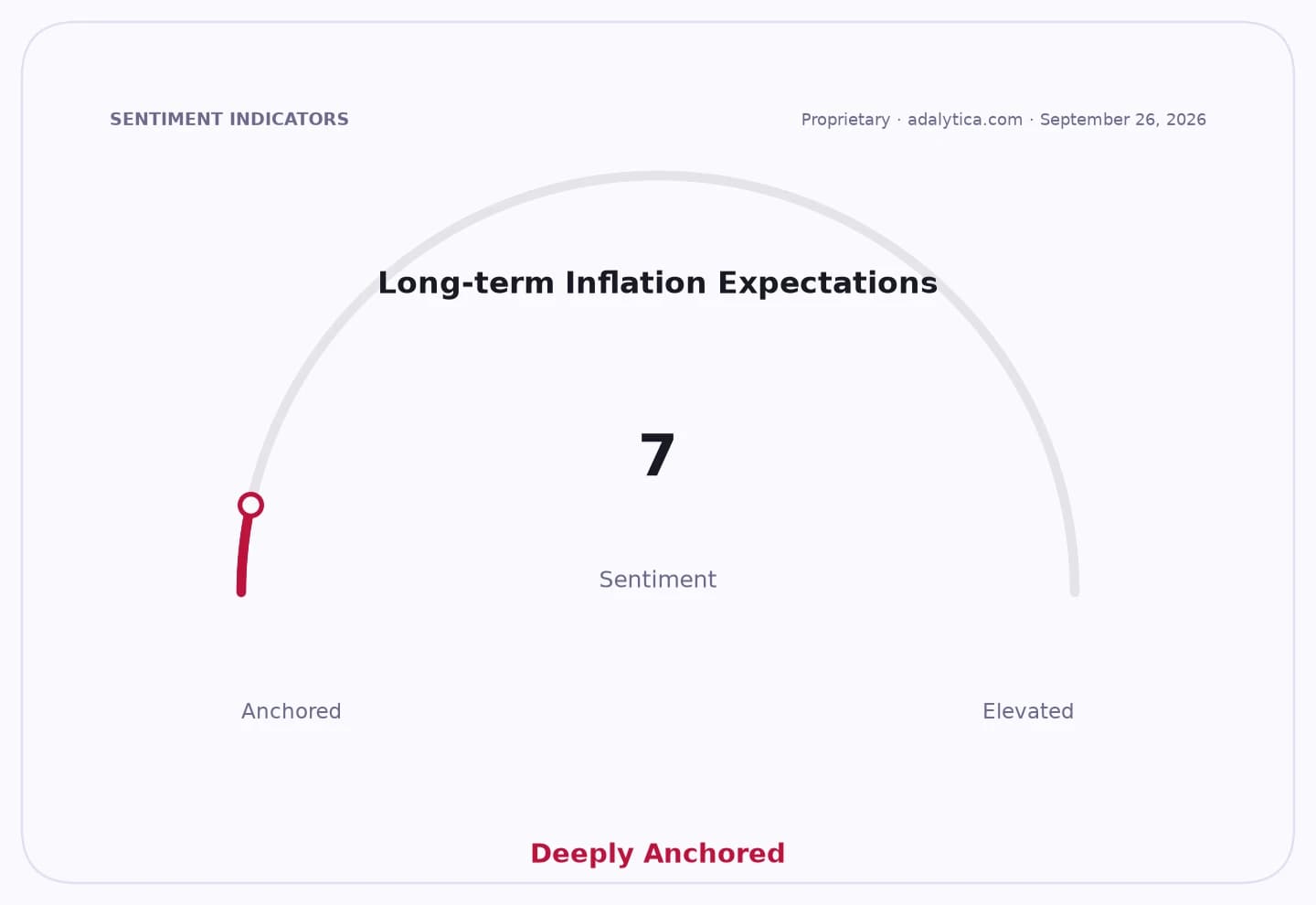
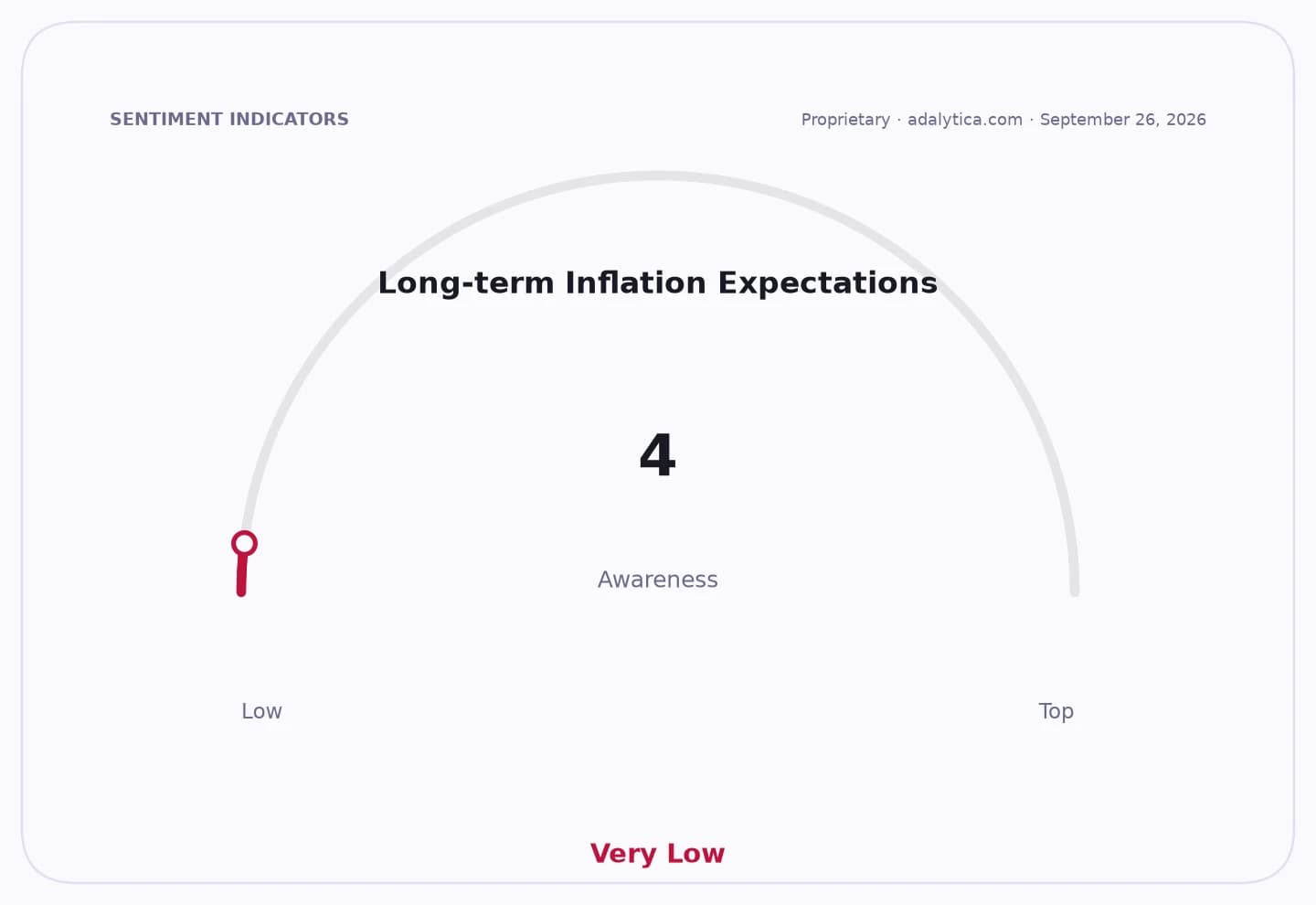
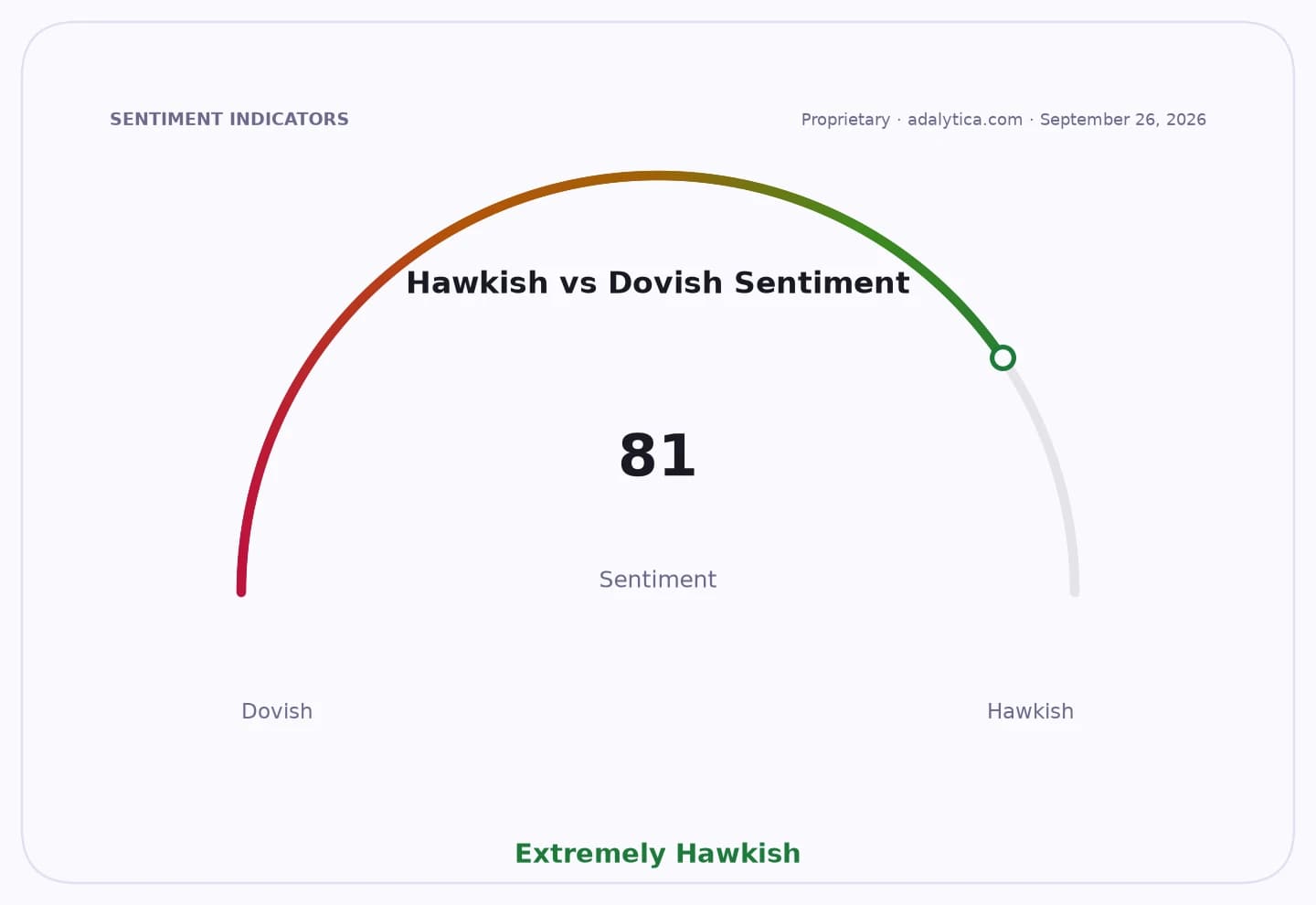
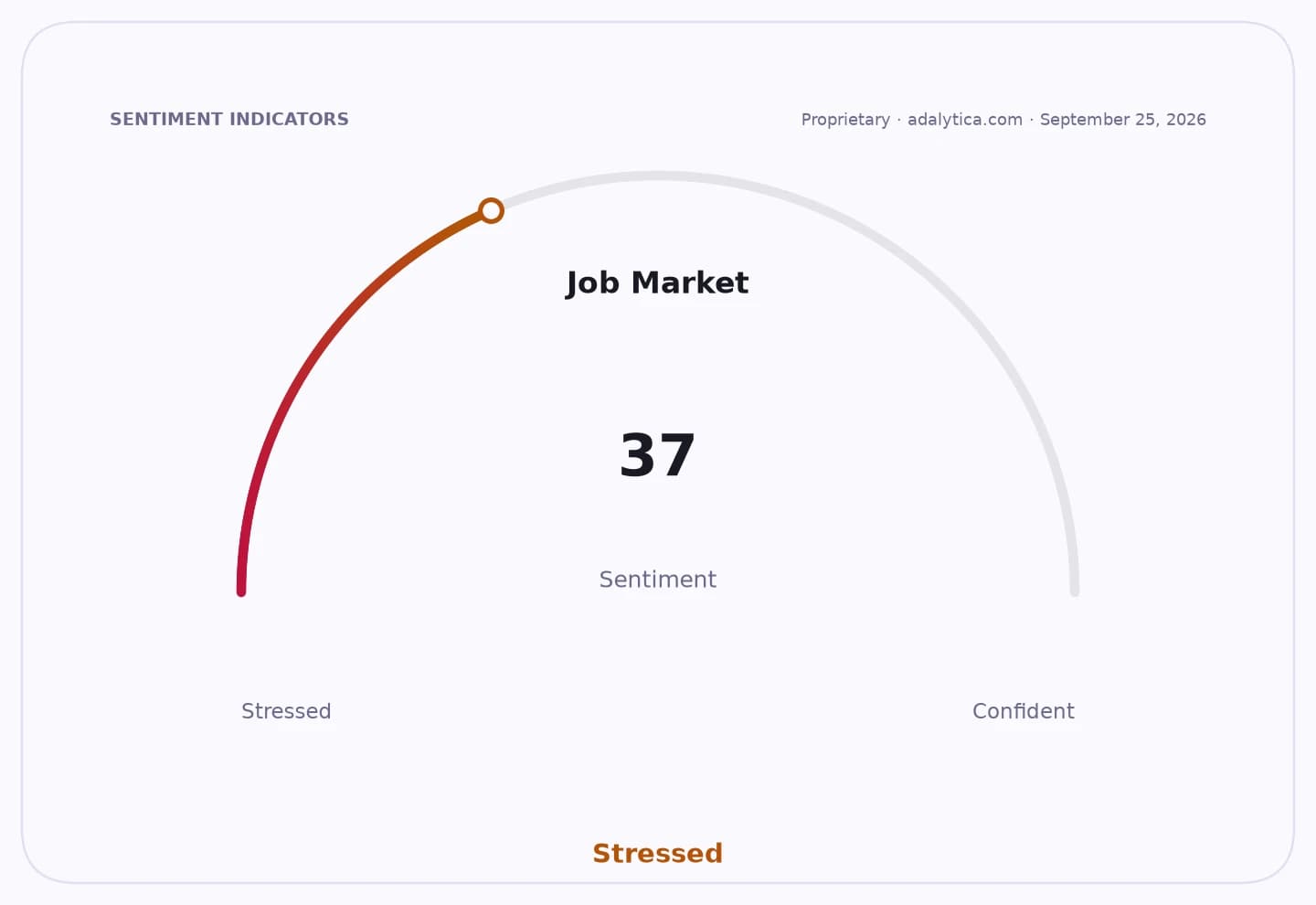
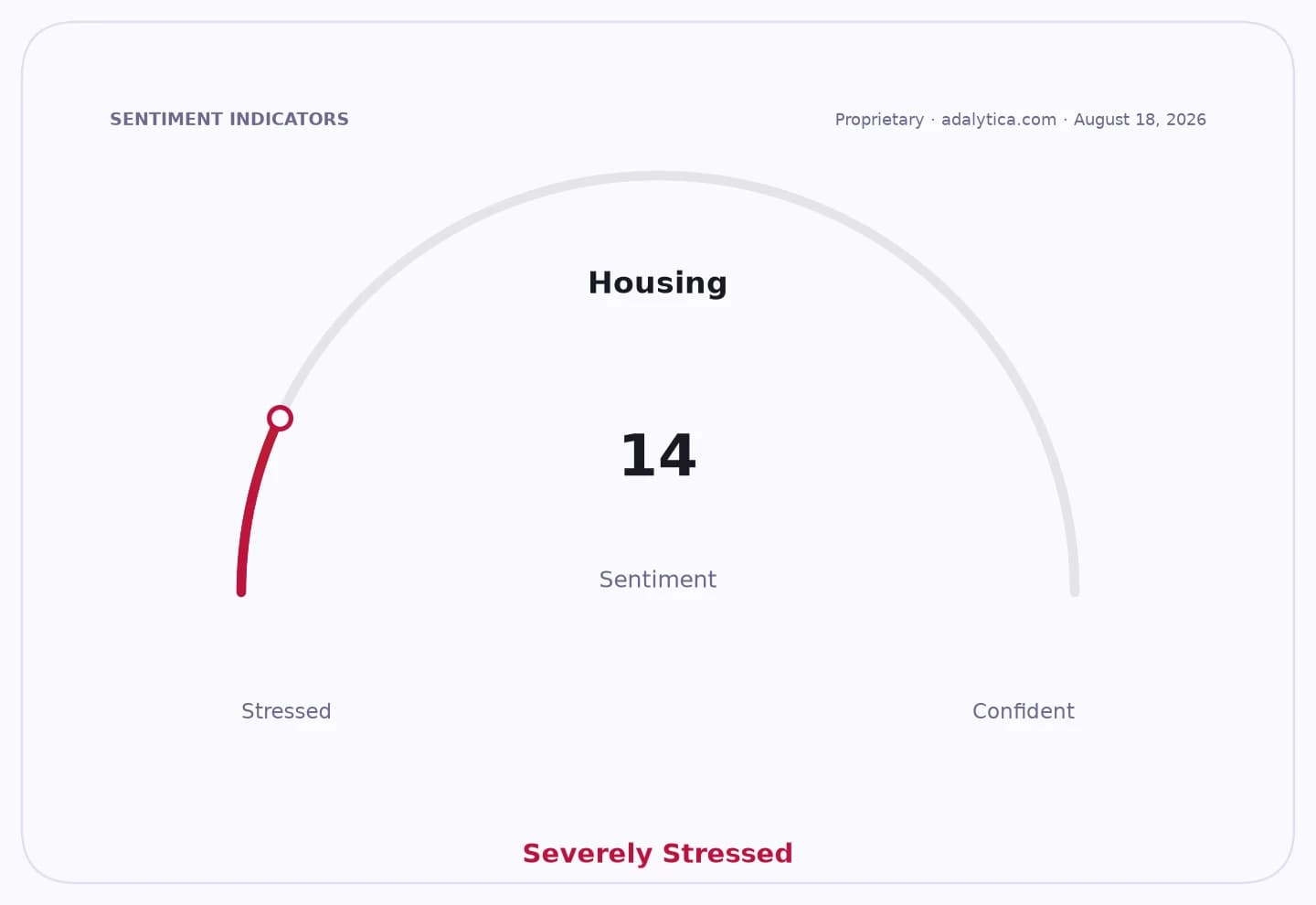
Sentiment IndicatorsⓘProprietary · adalytica.com · August 18, 2026
This is a snapshot — live sentiment, awareness and momentum for 130+ markets update continuously in the dashboard.Open AlphaPulse
That matters because mortgage companies earn fees on volume, but they absorb the costs of compliance failures, buybacks and reputational damage when loans do not hold up under review. Public filings from several large originators underscore that risk: both UWM Holdings and loanDepot have warned of repurchase and indemnification obligations if loans breach sale agreements, while Rocket Companies has highlighted loan defaults and charge-offs as part of its risk profile. In other words, fraud does not end at origination — it can boomerang through the whole mortgage ecosystem.
The data backdrop suggests a market that is already fragile. U.S. housing starts were forecast at 1,184.9 in August, down 4.37% from the prior reading, while existing-home prices have climbed from 204.167 in 2019 to 335.104 in May 2026, keeping affordability under pressure. Higher rates and still-elevated prices have squeezed borrowers, leaving lenders fighting for thinner pools of qualified applicants. In that environment, fraudulent applications, straw buyers or coordinated document manipulation can be especially damaging because they distort credit standards precisely when loan performance is most vulnerable.
For investors, the immediate impact is likely to be a modest negative for mortgage originators, title insurers, and any firms exposed to repurchase claims or enhanced due-diligence costs. Rocket Mortgage owner Rocket Companies and nonbank peers such as UWM and loanDepot could face higher compliance spending and more cautious underwriting if watchdog findings lead to broader probes. On the other side, fraud-screening vendors and compliance providers may benefit as lenders harden controls and regulators demand more verification.
There is also a policy angle. Regulators have been leaning harder on consumer-finance misconduct, and a coordinated mortgage fraud case gives them fresh justification to expand examinations, data-sharing and enforcement. That could slow loan approvals and widen spreads for riskier borrowers, but it may also help clean up a market that has become more dependent on secondary-market confidence.
The key question now is whether the watchdog’s findings point to a one-off network or a broader pattern that could trigger industrywide reviews. If it is the latter, mortgage originators could be forced to accept lower volumes, higher costs and tighter margins for longer than the current rate cycle alone would suggest.
| Entity | Gains | Losses |
|---|---|---|
| Regulators/watchdog | ▲stronger enforcement case | ▼heavier oversight burden |
| Fraud-screening providers | ▲higher demand for controls | ▼none |
| Mortgage originators | ▲cleaner market long term | ▼buybacks, compliance costs |
| Borrowers | ▲better loan integrity | ▼tighter credit access |