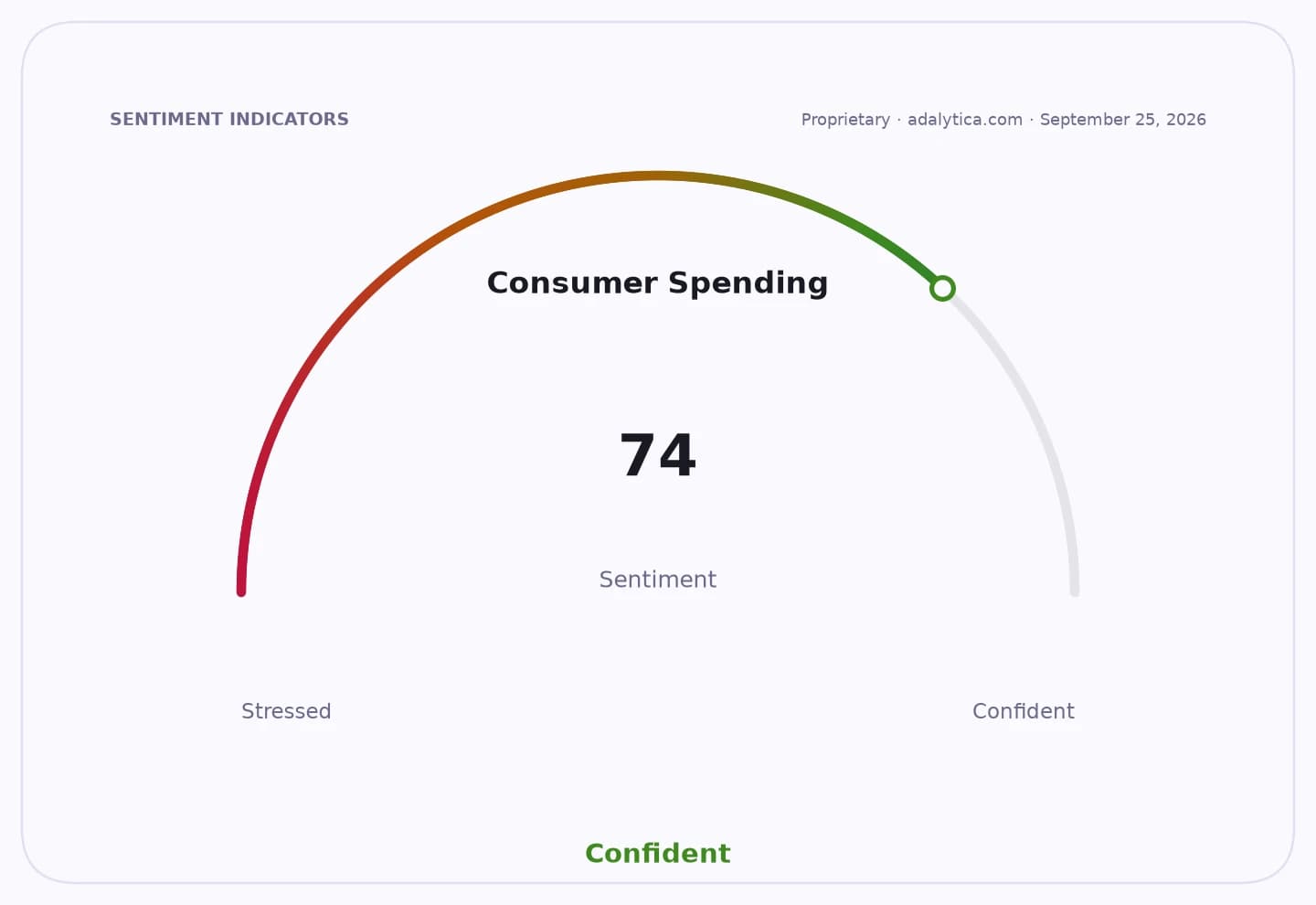
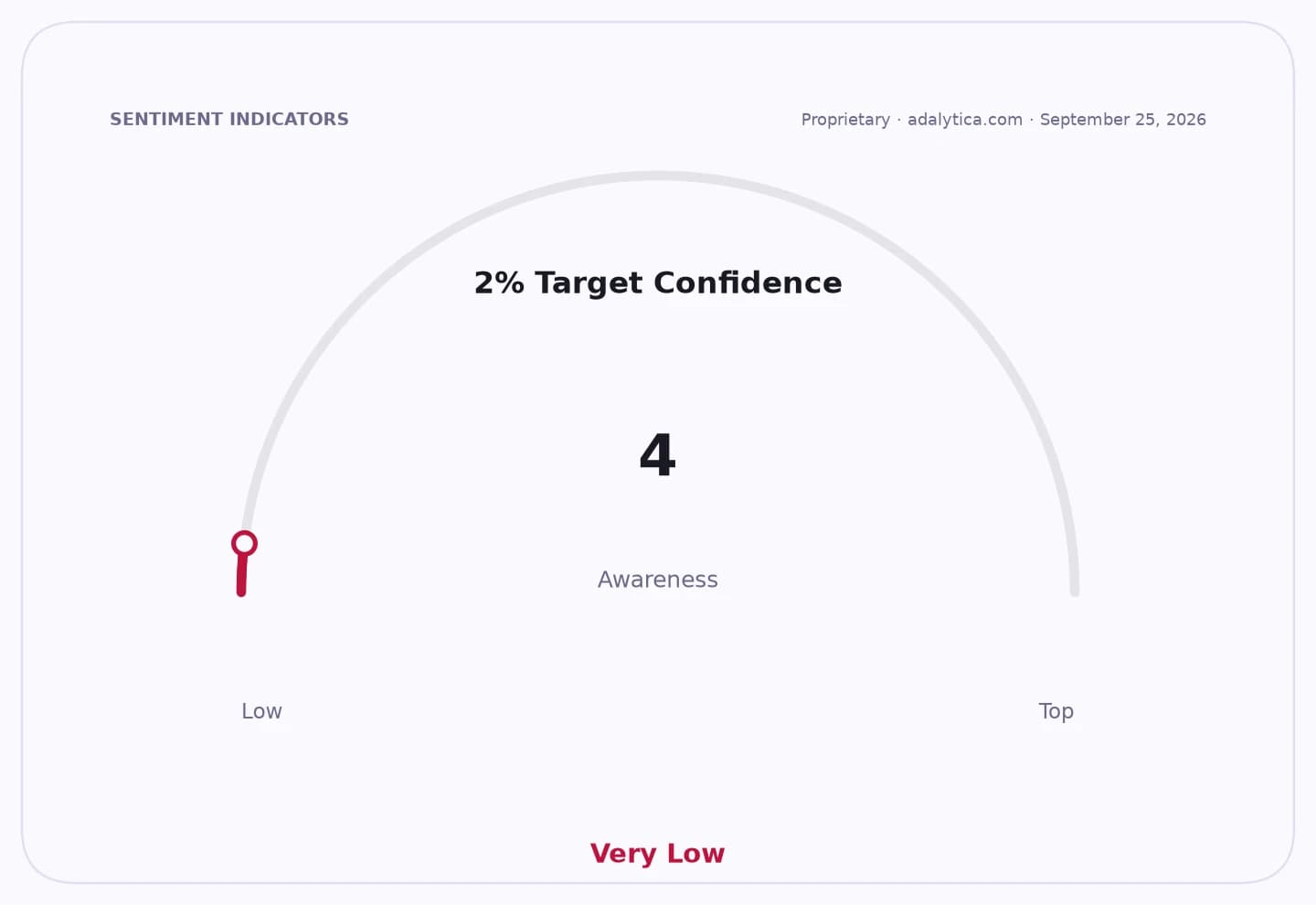
Mortgage rates may have steadied, but they are still sitting above July’s average, and that matters because housing affordability is already stretched and the market is showing signs of slowing under the weight of higher borrowing costs.
Mortgage Rates Hold Above July Average Near 4.6%

The 10-year Treasury yield, a key benchmark for long-term lending, is holding around 4.6% after a sharp run-up from 4.63% to 4.7% earlier in the week, leaving little relief for mortgage shoppers. That matters economically because mortgage pricing tends to follow the direction of the 10-year yield, and even small moves can add hundreds of dollars a month to the cost of financing a home.
For homebuilders and buyers, the message is simple: rates are no longer easing the way many had hoped. July brought a burst in home sales, but housing starts have been choppy and the pipeline of listings looks tighter, suggesting the market is vulnerable if borrowing costs stay elevated. The latest reading on home prices also shows how far affordability has already been squeezed, with the S&P CoreLogic Case-Shiller index still near record levels after years of appreciation.
Investors should care because housing is a powerful transmission mechanism for the economy. When mortgage rates stay high, turnover slows, refinancings dry up, and demand for new homes can cool even if the labor market remains resilient. That can pressure builders such as Lennar and D.R. Horton, while also affecting suppliers, brokers and lenders tied to housing activity.
Toll Brothers and the broader homebuilding group have already shown how quickly sentiment can swing with rate expectations. Toll’s shares, after surging and then retreating, reflect a market still trying to decide whether premium housing demand can hold up if financing costs remain sticky. Lennar and D.R. Horton have been more volatile, underscoring how rate-sensitive the sector remains.
The broader takeaway for long-term investors is that housing is unlikely to get an easy tailwind from rates anytime soon. If mortgage costs stay above July levels, the market may have to lean more on wage growth, household formation and inventory shortages than on cheaper financing. That argues for patience, selectivity and a focus on companies with real pricing power and strong balance sheets.
For now, the key question is not whether mortgage rates have flattened for a day or two, but whether they can break lower in a way that meaningfully restores affordability. Until then, housing stocks and homebuyers alike are likely to keep feeling the pressure. Worth watching, but not a market to chase blindly.
| Entity | Gains | Losses |
|---|---|---|
| Lenders | ▲Wider interest income | ▼Fewer refinance volumes |
| Homebuilders | ▲Resilient demand for premium homes | ▼Rate-sensitive buyers |
| Current homeowners | ▲Higher home values support equity | ▼Less affordable moves and refinances |
| First-time buyers | ▲— | ▼Higher monthly payments |