Mortgage rates have slipped back into negative territory after nearly two years of increases, a turn that matters because it tightens an already fragile housing market just as higher Treasury yields and geopolitical shocks keep borrowing costs elevated.
Falling mortgage rates pressure housing lenders
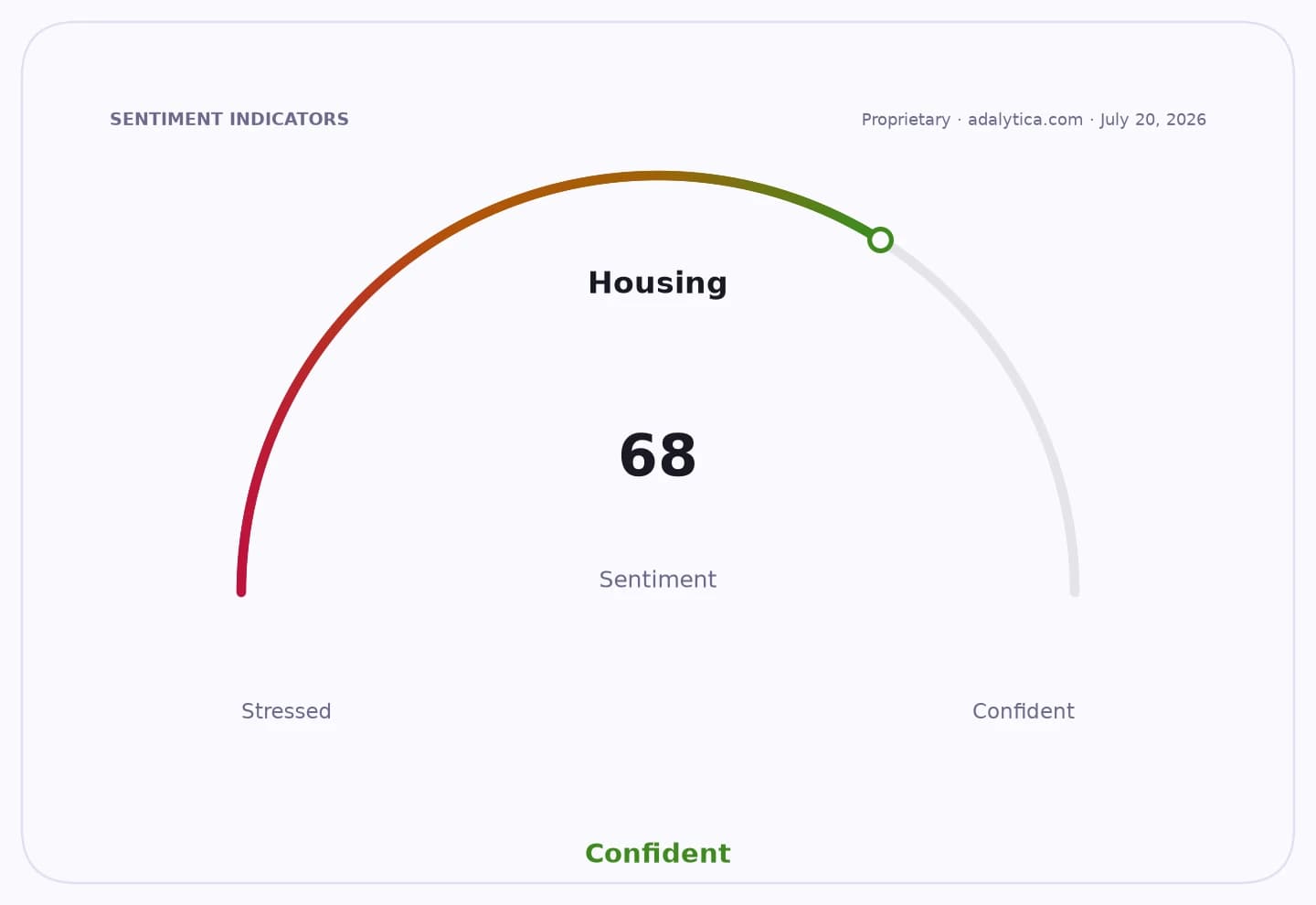
The move is economically significant because housing is one of the most interest-rate-sensitive parts of the U.S. economy. When mortgage rates rise, affordability deteriorates quickly, existing-home turnover slows and lenders see fewer originations. That chain reaction feeds into consumer spending, homebuilder activity and the balance sheets of mortgage lenders and real-estate platforms. The latest data show the 10-year Treasury yield holding around 4.56%, underscoring how little room mortgage pricing has to ease while bond markets remain under pressure.
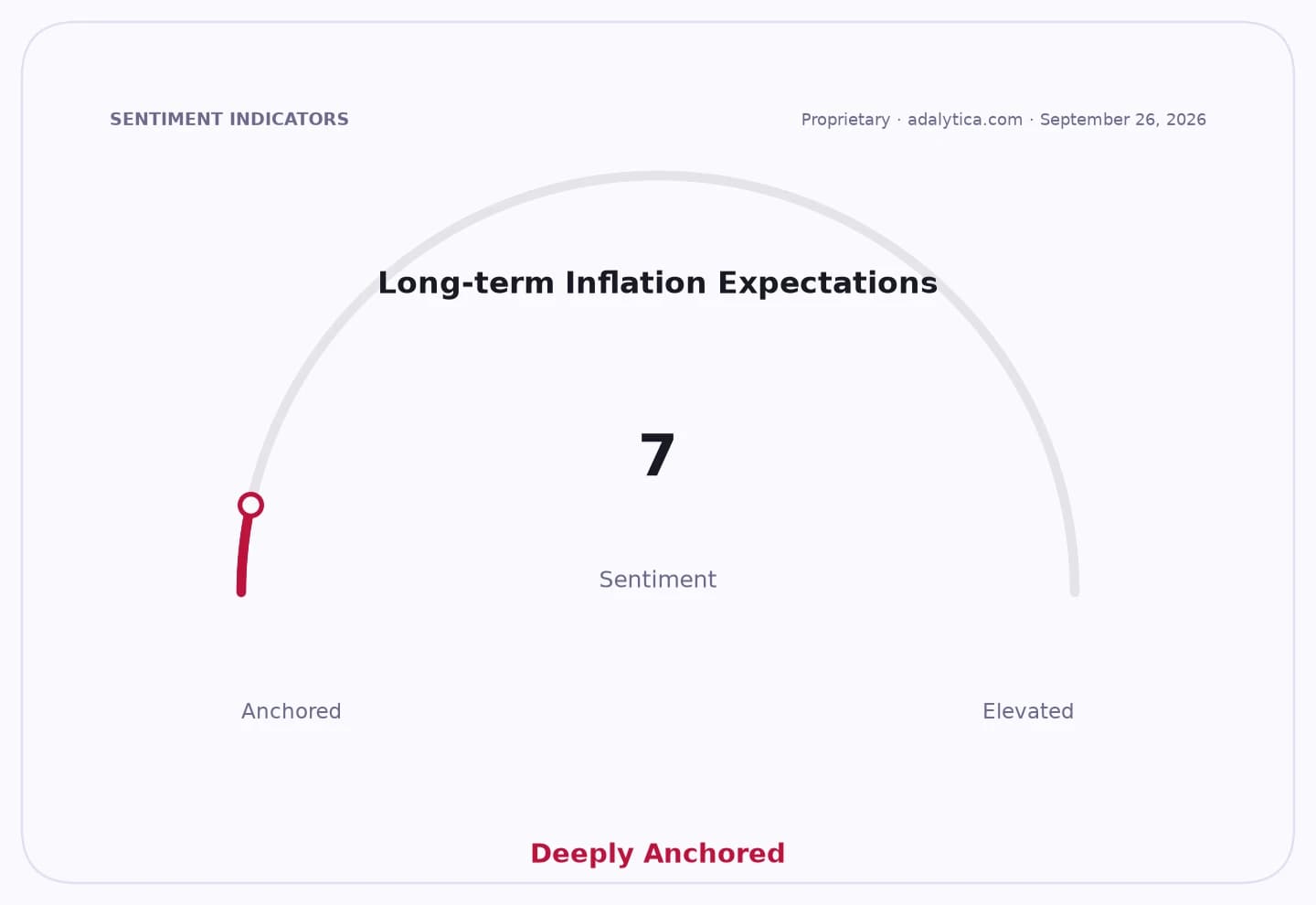
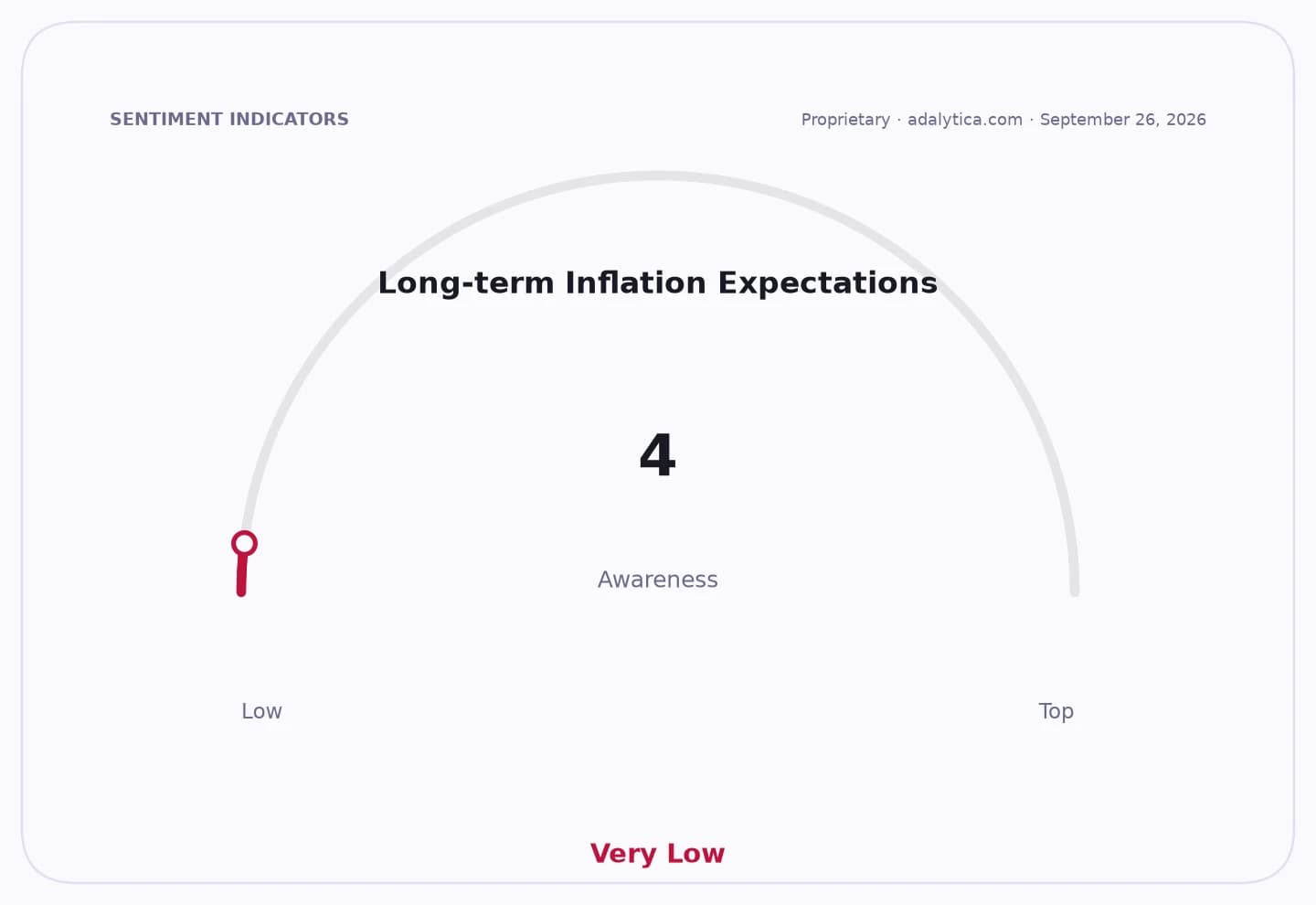
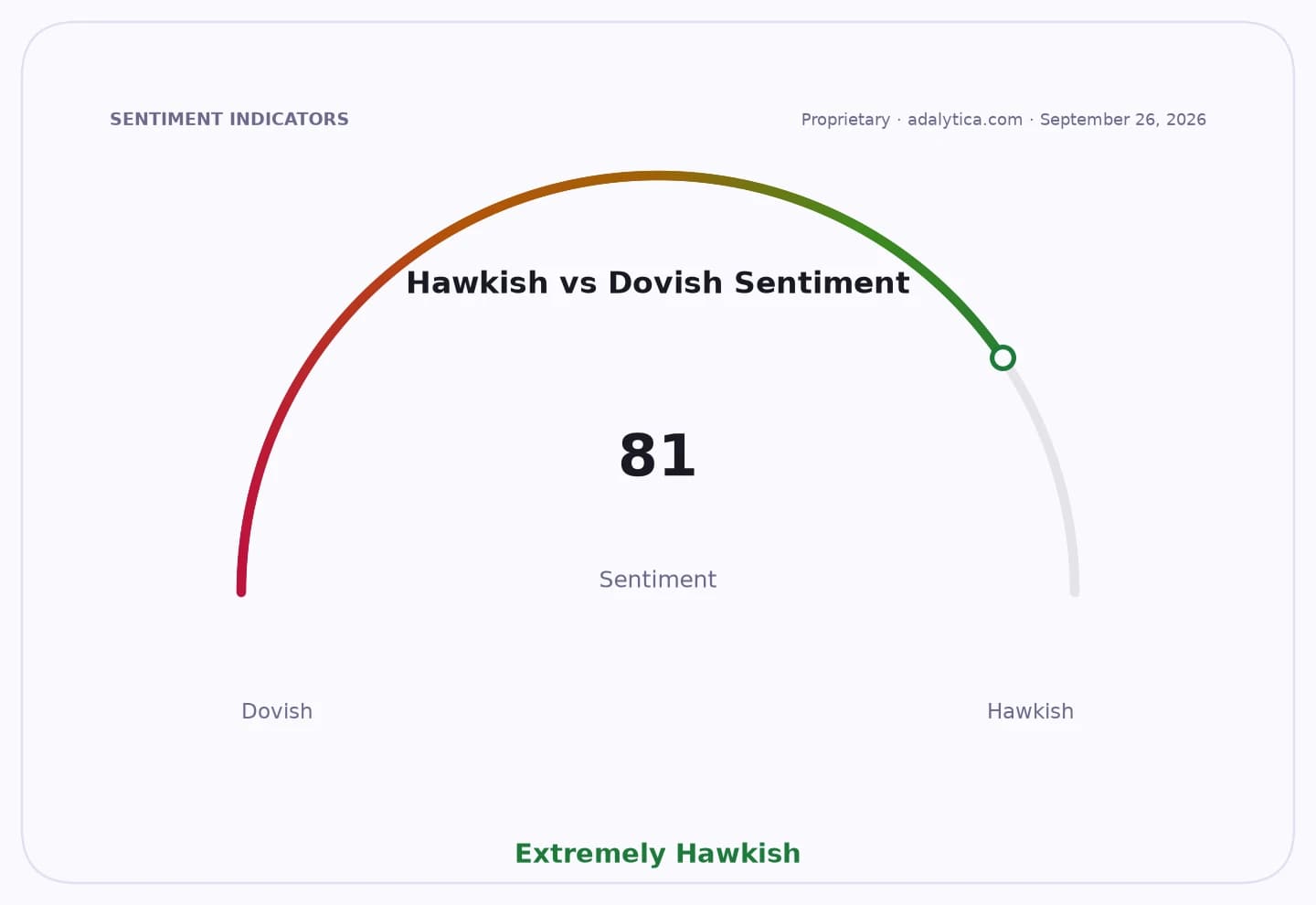
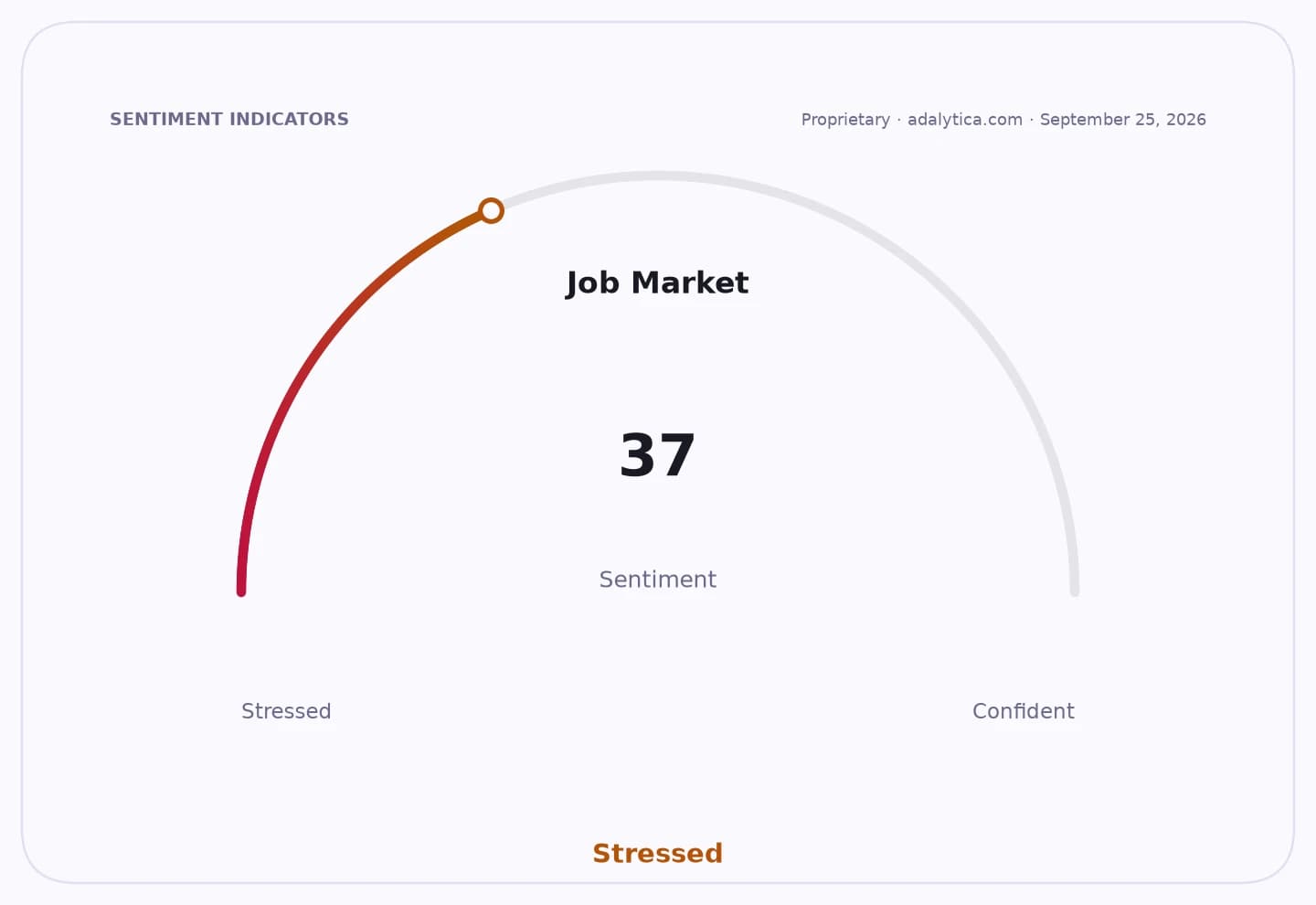
Sentiment IndicatorsⓘProprietary · adalytica.com · July 20, 2026
This is a snapshot — live sentiment, awareness and momentum for 130+ markets update continuously in the dashboard.Open AlphaPulse
The squeeze is already visible in the sector. Zillow’s filings say persistently high mortgage rates have reduced the number of transactions completed through its products, even as the company has tried to offset the slowdown with purchase-loan growth. Rocket Companies, the largest U.S. mortgage lender by retail originations, has seen its shares whipsaw this year as traders oscillate between hopes of a refinancing rebound and fears that elevated rates will keep volumes subdued. Rocket stock was last at $14.54, well below its 200-day moving average of $16.72, a sign the market still doubts a durable recovery in lending activity.
The broader housing backdrop is mixed. The Case-Shiller national home-price index continues to hover near record levels at 332.678 in April, which tells investors that prices have remained sticky even as financing costs have climbed. That combination is the worst of both worlds for buyers: homes remain expensive, and monthly payments are still strained by high rates. It also helps explain why Adalytica’s Housing and Rent Inflation Sentiment gauge has risen recently, even if sentiment remains only neutral overall, suggesting market participants are still alert to renewed pressure in shelter costs.
DGS10 vs MORTGAGE30US — macro contextadalytica.com
Explore this data interactively — full history, time series and cross-market comparisons.Open AlphaPulse
For mortgage lenders, there are two competing narratives. The bull case is that any sustained decline in rates would unlock pent-up demand from borrowers who have stayed on the sidelines, especially if labor markets remain firm and household balance sheets continue to absorb higher payments. The bear case is that Treasury yields stay elevated, credit availability stays tight and banks, already close to annual household-loan limits in some cases, continue to ration mortgages rather than chase volume.
Investors should watch whether the recent easing in mortgage pricing proves temporary or marks the start of a broader shift. If rates stay near current levels, housing activity is likely to remain subdued and lender earnings under pressure. If bond yields retreat, mortgage originators, homebuilders and housing-adjacent platforms could get a relief rally — but only if affordability improves enough to bring buyers back into the market.
| Entity | Gains | Losses |
|---|---|---|
| Homebuyers | ▲Slight relief if rates ease | ▼Affordability still strained |
| Mortgage lenders | ▲Volume rebound if demand returns | ▼Fewer originations now |
| Home sellers | ▲Better buyer traffic if financing improves | ▼Slower turnover |
| Treasury bond bulls | ▲Support from flight-to-quality flows | ▼Higher mortgage costs if yields stay high |