Mortgage demand is now running below year-ago levels as refinancing activity falls off a cliff, a clear sign that still-elevated borrowing costs are choking off the quick wins lenders and investors were hoping for.
Mortgage refi volume falls as rates stay high
That matters because the U.S. housing-finance complex is no longer getting much help from rate-driven refinance volume. When rates stay high, borrowers sit on existing mortgages, origination pipelines thin out, and lenders lose the fee-rich business that can offset a weak purchase market. For the broader economy, that means housing remains a drag rather than a catalyst, with fewer homeowners able to lower monthly payments and free up spending power.
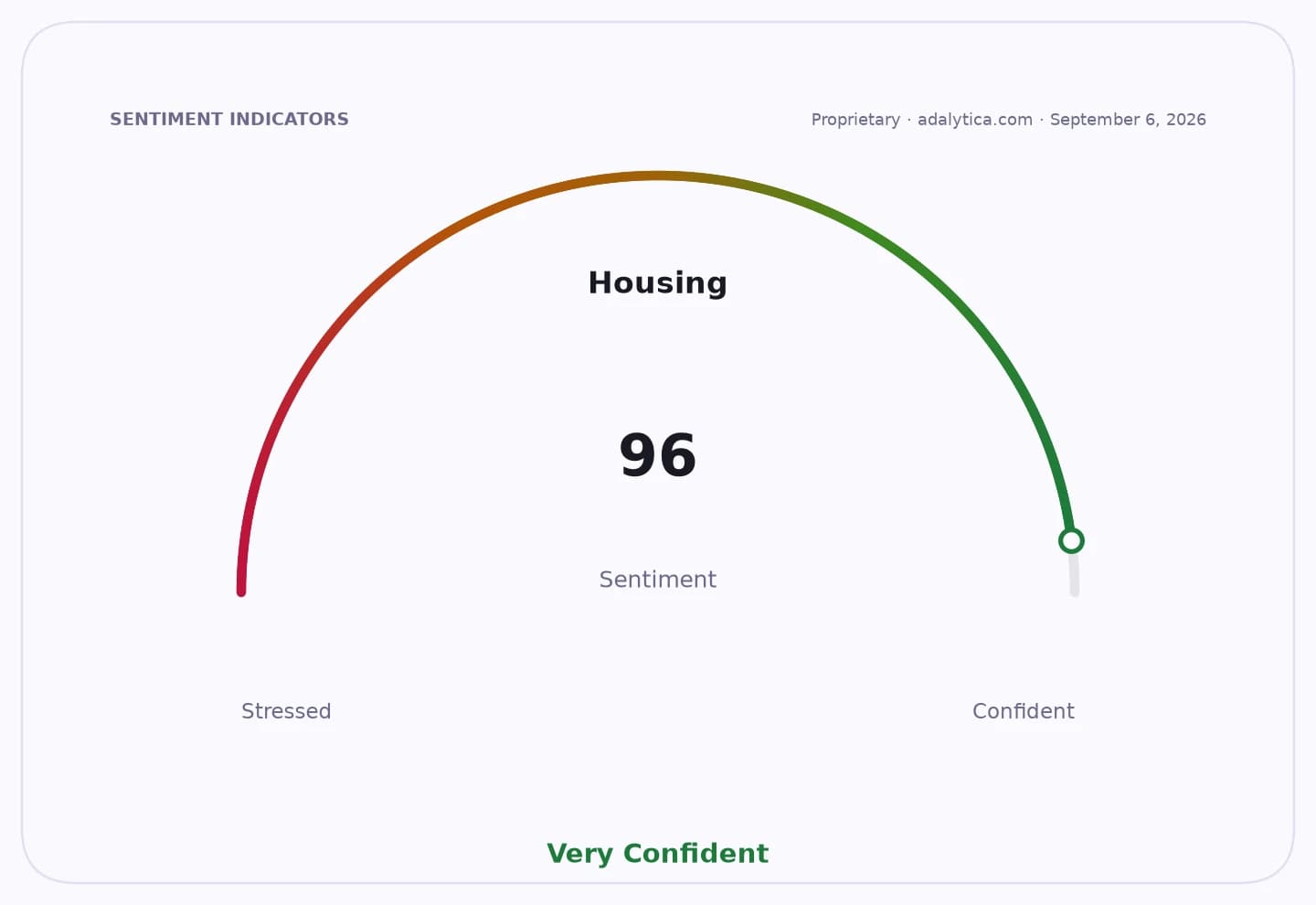
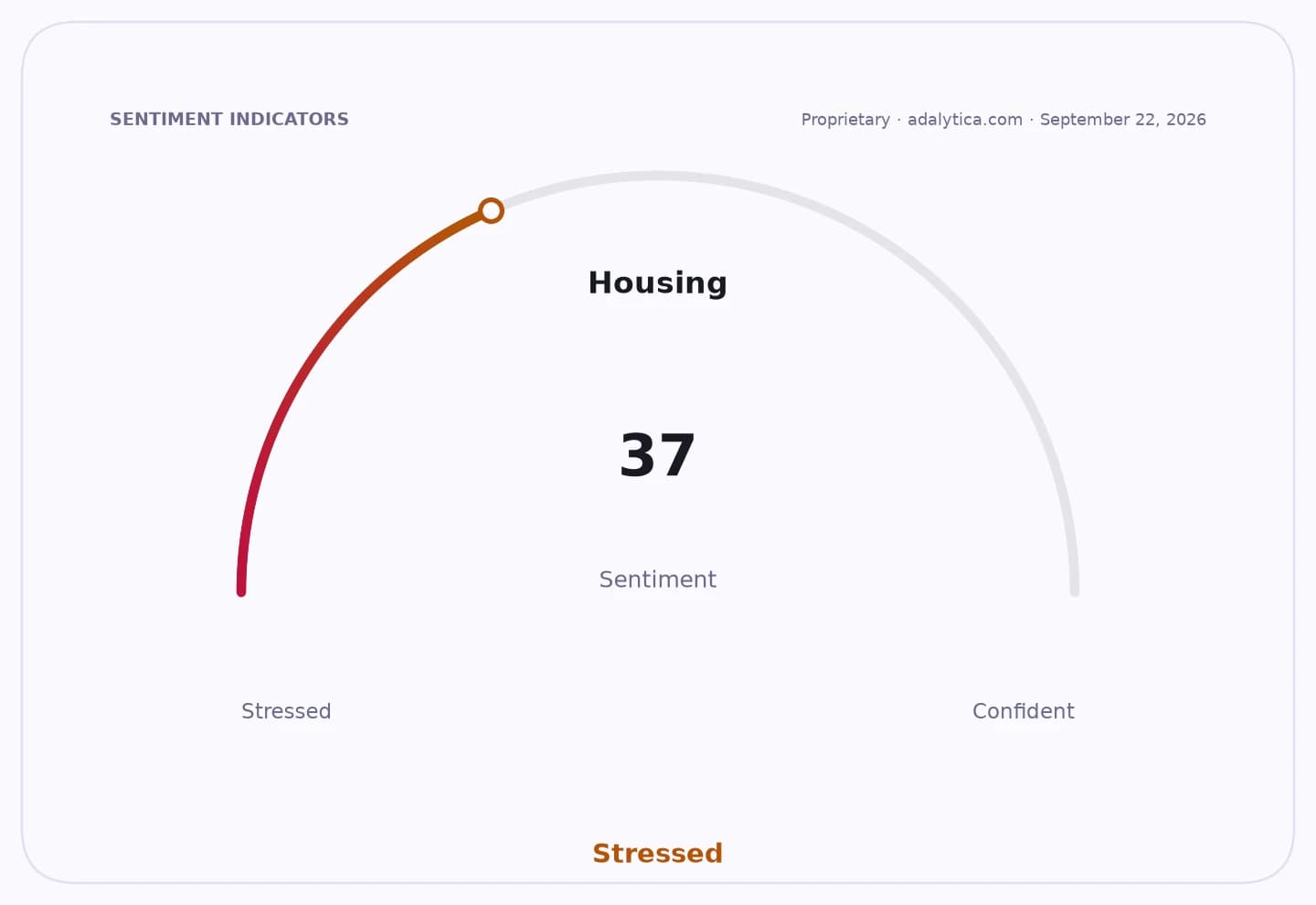
Sentiment IndicatorsⓘProprietary · adalytica.com · September 9, 2026
This is a snapshot — live sentiment, awareness and momentum for 130+ markets update continuously in the dashboard.Open AlphaPulse
Optimal Blue’s August data showed total rate-lock volume slipped 8% month over month and 5% from a year earlier, while purchase locks fell 1% year over year and were 11% below July. The real shock was refinancing: rate-and-term refis dropped 25% from July and were down 17% from a year earlier, leaving refis at just 19% of total production. Cash-out activity was the only refinance pocket holding up, rising 3% month over month and 13% year over year.
The backdrop explains the strain. The 30-year mortgage rate was still around 6.71%, near levels that keep many homeowners locked into older, cheaper loans even as the 10-year Treasury hovered around 4.37%. That spread matters for lenders because the market is still paying up for a mortgage asset that isn’t generating enough turnover to justify aggressive growth assumptions. Optimal Blue said purchase activity remains ahead of last year, but not enough to offset the collapse in rate-and-term refis.
DGS2 — macro contextadalytica.com
Explore this data interactively — full history, time series and cross-market comparisons.Open AlphaPulse
Investors should read this as a business model story as much as a housing story. Mortgage originators, servicers and brokers live and die by refinance cycles, and the current mix is unfavorable. Rocket Companies, United Wholesale Mortgage and PennyMac Financial may still benefit from pockets of execution, better hedging or servicing value, but the volume backdrop is not supportive of easy earnings upside. The one structural winner in this setup is mortgage servicing rights, which tend to gain value when prepayments slow because the loans live longer.
That is exactly why the market should keep focusing on the second-order effects, not just the headline rate level. Lower prepayment speeds can help MSR-heavy players, but they also confirm that consumers are stuck. With rate-and-term refis fading and purchase demand only drifting, the industry is entering a slower, more selective phase where operating leverage is harder to come by.
For investors, the trade is to favor lenders and platforms with strong servicing exposure, disciplined execution and the ability to survive a prolonged low-turnover market. Until mortgage rates break materially lower, refinancing will remain the missing engine — and that keeps the housing finance rebound out of reach.
| Entity | Gains | Losses |
|---|---|---|
| MSR-heavy lenders | ▲Longer asset lives | ▼Slower prepayments |
| Mortgage borrowers | ▲Fewer refinancing choices | ▼Higher monthly payments |
| Rocket, UWMC, PFSI | ▲Selective market share gains | ▼Weak refi volume |
| Home sellers | ▲Stable financing backdrop | ▼Less transaction churn |