Ordinary borrowers are buckling under the cost of debt just as lenders are grappling with a more complicated rate environment that is still keeping financing expensive.
Consumer debt restructurings rise as rates stay high
The clearest sign is the surge in debt restructuring, with about 100,000 people having their obligations reworked in the first half of the year. That points to a widening strain in consumer credit, where households that took out loans when borrowing was cheaper are now facing a tougher repayment burden after a prolonged period of elevated interest rates.
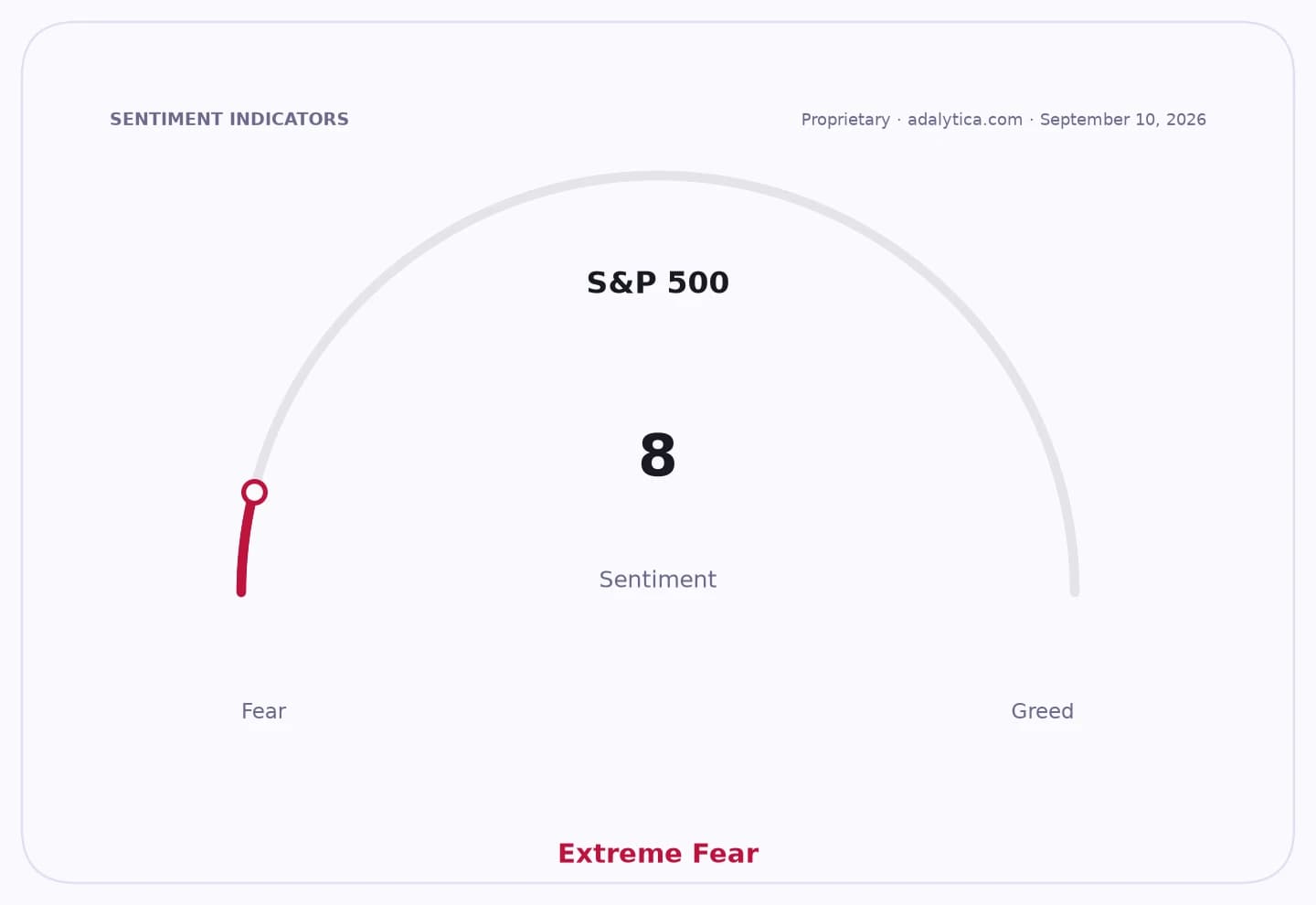
Sentiment IndicatorsⓘProprietary · adalytica.com · August 30, 2026
This is a snapshot — live sentiment, awareness and momentum for 130+ markets update continuously in the dashboard.Open AlphaPulse
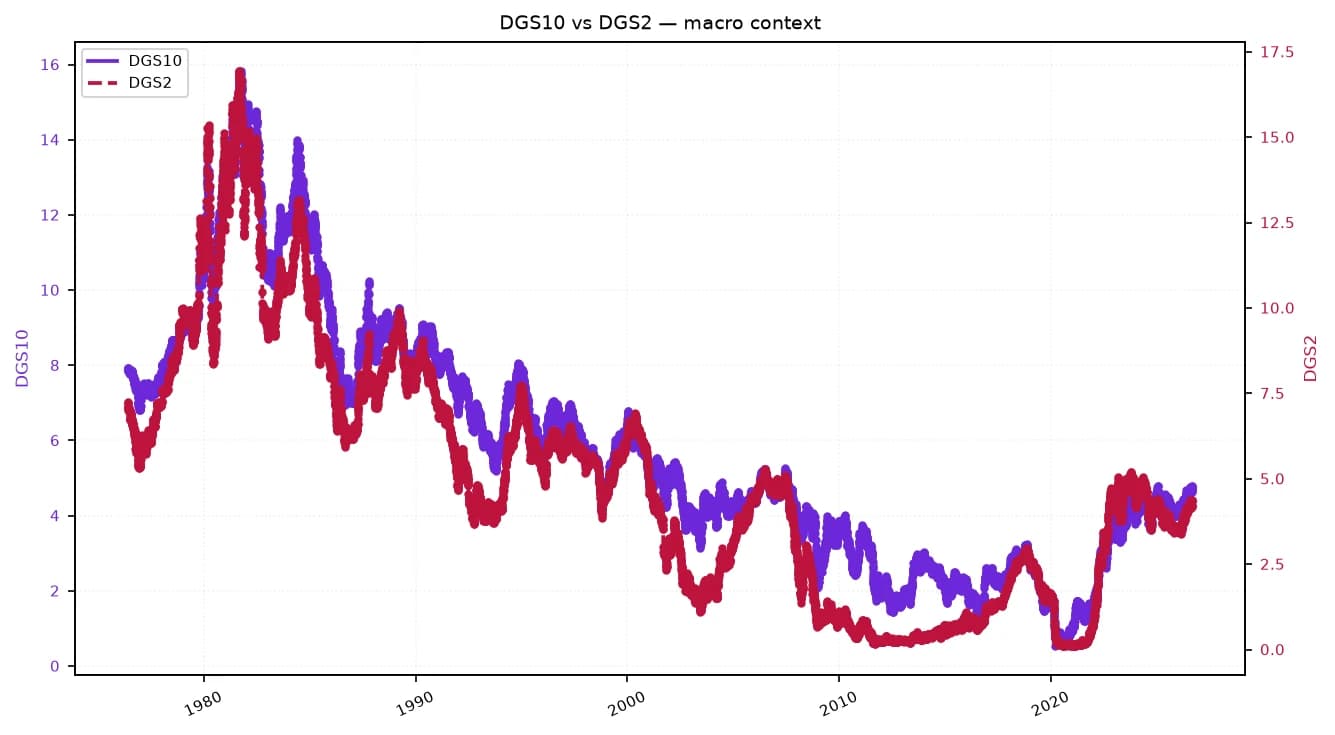
The pressure matters because debt service is not just a household problem; it feeds directly into credit losses, funding costs and lending standards. The backdrop remains restrictive, with the federal funds rate around 3.63% and the 10-year Treasury yield near 4.63%, levels that keep consumer loan pricing high even as inflation and unemployment have eased from their peaks. The labor market is still relatively solid, with the unemployment rate projected around 4.1%, but that has not been enough to fully offset the squeeze from higher borrowing costs.
For lenders, the issue is especially acute in mid-interest loans, a segment that sits between low-rate prime lending and high-cost riskier credit. Rising funding costs make those products harder to price profitably, while weak borrowers increasingly need restructuring rather than fresh credit. That combination can compress margins and raise the risk that banks and finance companies either tighten underwriting or retreat from the segment entirely.
The market backdrop shows investors are already watching the stress points. Shares of credit-card and consumer finance lenders such as Capital One, Ally Financial and Synchrony have remained active as traders weigh the trade-off between still-resilient revenue and the possibility of rising delinquencies. Capital One’s stock has been trading above both its 50-day and 200-day moving averages, while Ally and Synchrony have also held above their longer-term trend lines, suggesting investors have not yet priced in a full-blown deterioration. But technical strength can fade quickly if restructuring volumes keep climbing or if loss provisions rise faster than expected.
The bull case for lenders is that higher benchmark rates can continue to support yield on existing loan books and that a stable job market will prevent a sharper credit event. The bear case is that restructurings are an early warning signal of delayed stress: once borrowers begin rolling into modification programs, losses can follow with a lag, especially if refinancing options stay limited. That would force lenders to preserve capital, slow originations and rely more on higher spreads rather than volume growth.
The bigger narrative is that consumer credit is moving from a period of post-pandemic normalization into one of selective strain, where the cost of money remains high enough to expose weaker borrowers but not so high that the economy has cracked outright. Investors should watch whether restructuring volumes keep rising into the second half of the year, whether delinquencies follow, and whether lenders respond by tightening access to mid-tier consumer loans.
| Entity | Gains | Losses |
|---|---|---|
| Borrowers in restructuring | ▲Lower monthly payments | ▼Less access to new credit |
| Lenders and finance firms | ▲Higher yield on existing loans | ▼Higher credit losses |
| Prime borrowers | ▲Continued credit access | ▼Tighter underwriting for others |
| Mid-income households | ▲Temporary debt relief | ▼Strain from elevated rates |