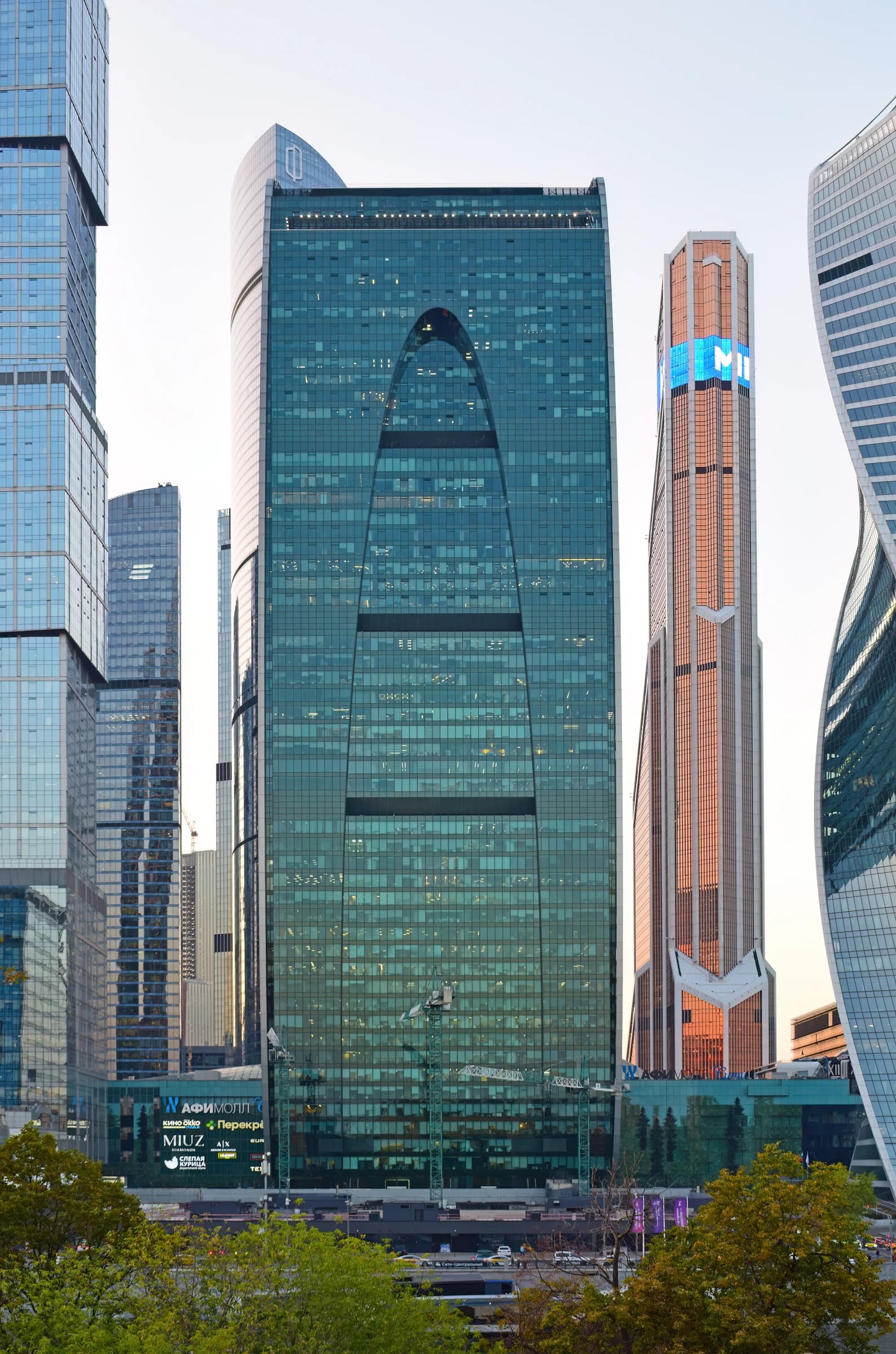
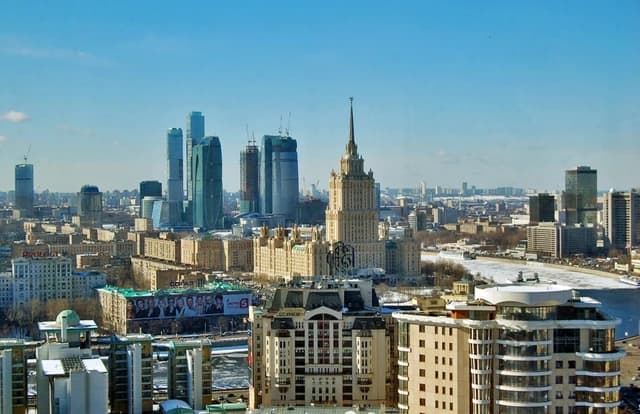
An illegal crypto exchanger operating in Moscow City processed as much as $2 million in transactions a day, underscoring how large and persistent Russia’s shadow digital-asset market has become even as authorities step up enforcement.
Moscow City Crypto Exchanger Processed $2 Million a Day
The scale matters because it points to a parallel payments channel moving meaningful volumes outside the regulated banking system, with implications for capital controls, sanctions enforcement and money flows tied to Russia’s broader war economy. For investors, it is another sign that bitcoin and stablecoin activity in the region is being driven not just by trading demand, but by the need for offshore settlement and dollar access.
Sentiment IndicatorsⓘProprietary · adalytica.com · August 7, 2026
This is a snapshot — live sentiment, awareness and momentum for 130+ markets update continuously in the dashboard.Open AlphaPulse
Bitcoin was last trading around $64,784, far below its recent highs and still beneath its 200-day moving average near $70,369, even as the 50-day average sat at $63,276. The token’s RSI reading of 54 suggests the market is no longer deeply oversold, but Adalytica’s Bitcoin Fear & Greed Index shows “Extreme Fear,” highlighting a sharp disconnect between price stabilization and investor psychology.
That backdrop is important for crypto firms and holders because illicit or semi-offshore exchange activity can increase regulatory pressure globally. U.S. dollar trade signals remain elevated, and that usually supports demand for dollar-linked settlement in crypto markets, but it also keeps scrutiny high on venues that facilitate cross-border transfers outside traditional compliance channels.
For Moscow, the revelation reinforces a larger story: the city remains a hub for hard-currency demand, sanctions workarounds and crypto-fueled payments even as enforcement tightens. For markets, the risk is that continued clampdowns could squeeze liquidity and push more activity into less transparent channels, with ripple effects for exchange volumes, stablecoin flows and regional crypto pricing.
The next catalyst is likely to come from Russian law enforcement, banking regulators or further sanctions-related actions, any of which could disrupt informal exchange networks and reprice risk across crypto markets tied to the region.
| Entity | Gains | Losses |
|---|---|---|
| Illegal Moscow City exchanger | ▲Fee income, high turnover | ▼Raids, seizures |
| Russian shadow economy users | ▲Fast dollar access, settlement | ▼Compliance risk, exposure |
| Regulated exchanges | ▲More scrutiny on rivals | ▼Tighter enforcement burden |
| Bitcoin/stablecoin traders | ▲Liquidity demand, volume | ▼Volatility, regulatory pressure |