U.S. efforts to break China’s grip on critical minerals for weapons are moving from policy slogan to capital deployment, and that is creating a real investable theme in mining, processing and materials infrastructure.
MP Materials, Albemarle Gain on U.S. Critical Minerals Buildout

The most important development is not just that Washington wants supply chains diversified. It is that U.S. companies are now putting serious money behind the shift, with Mariana Minerals recently raising $310 million to expand domestic projects tied to strategic materials. That matters because critical minerals are not optional inputs: they are the feedstock for magnets, guidance systems, batteries, electronics and other components that sit inside the weapons systems the Pentagon needs to restock and modernize.
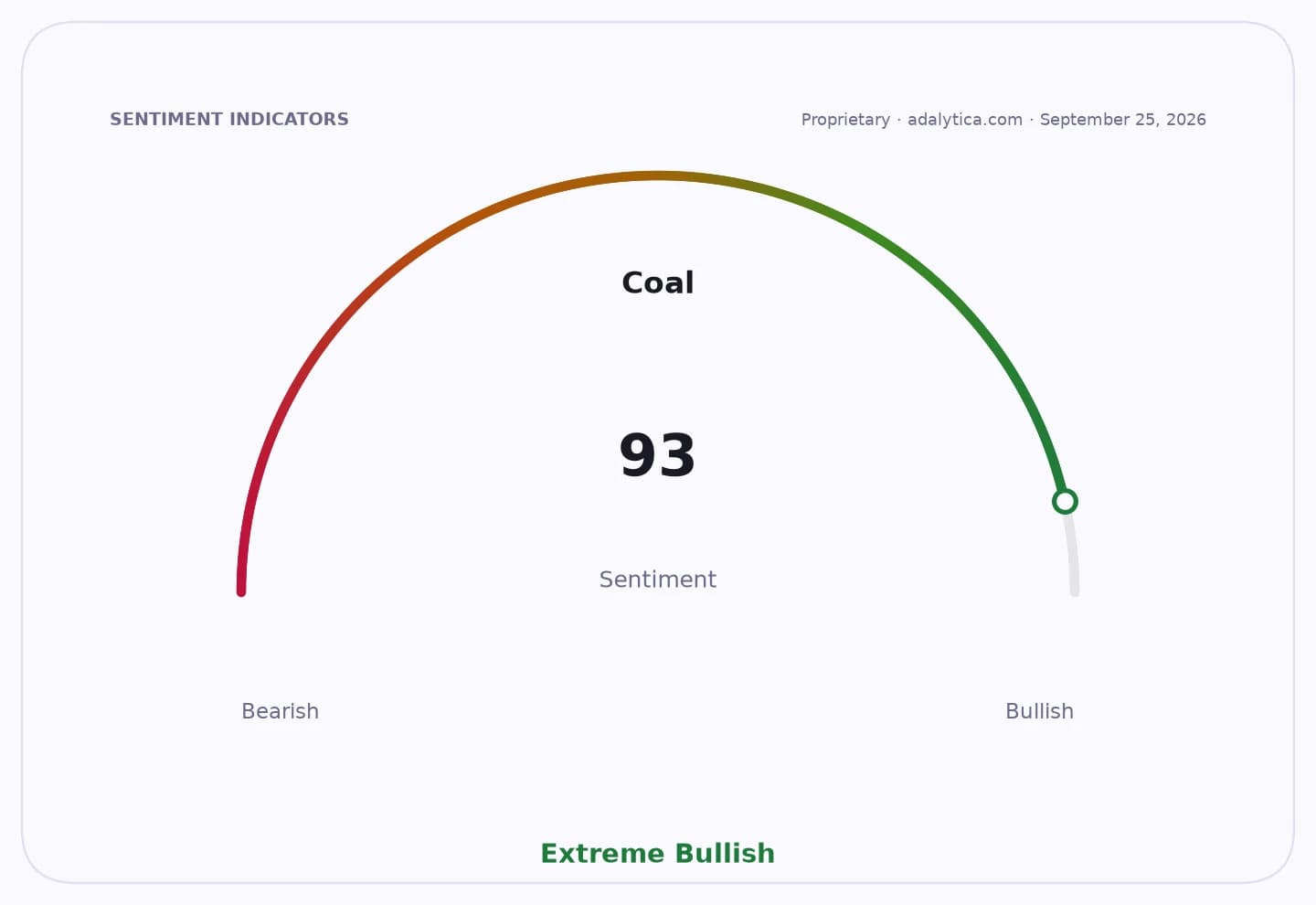
Sentiment IndicatorsⓘProprietary · adalytica.com · August 3, 2026
This is a snapshot — live sentiment, awareness and momentum for 130+ markets update continuously in the dashboard.Open AlphaPulse

The economic significance is bigger than a single fundraising round. The United States has spent decades outsourcing the processing of rare earths and other strategic minerals, leaving China with enormous leverage over the bottlenecks that matter most. Rebuilding that capacity means new mines, new separation plants, new refining lines and, just as importantly, a new layer of industrial capex that should support domestic producers for years. In a world where geopolitics is now shaping procurement, that is a structural tailwind for companies that can supply material at scale inside the U.S. or allied jurisdictions.
For investors, the opportunity is in the picks-and-shovels of reindustrialization. MP Materials has already become the most obvious pure play on non-China rare earth supply, and while the stock has been volatile, the long-term setup is intact if U.S. defense and industrial buyers keep prioritizing secure sourcing over the cheapest global feedstock. Albemarle remains another key name, given its role in lithium and broader specialty materials that sit in the battery and defense supply chain. Freeport-McMoRan is less of a direct rare-earth story, but it still benefits from the broader Western push to secure strategic metals and from the rising premium attached to reliable, large-scale U.S.-linked production.
The market is still underestimating how durable this demand can become. Defense procurement is slow, but once a supplier is qualified, it tends to stay embedded in the system. That creates a moat that commodity traders often miss: the customer is not just buying a ton of material, it is buying supply assurance in a geopolitical shock scenario. With U.S.-China relations sentiment deteriorating sharply and geopolitical risk still elevated, that insurance premium is likely to keep rising.
The timing also matters. Industrial production in the U.S. is hovering just above 102, showing no explosive macro boom, which means the next leg for this trade is not about broad cyclical demand. It is about targeted, policy-backed capital spending into strategically important supply chains. That makes the theme more durable than a typical commodity rally and less dependent on a single quarter’s demand data or oil prices.
Oil’s latest swings only reinforce the point. When energy is volatile and geopolitical risk is high, governments care more about controlling upstream inputs, not less. Critical minerals fit squarely into that logic. The companies that can refine, process and deliver these materials inside friendlier jurisdictions will capture a widening strategic spread as buyers pay for resilience.
My view is simple: this is still early. The winners are not just the miners, but the processors, magnet makers, specialty chemical suppliers and infrastructure providers that can turn strategic intent into actual capacity. If you want exposure, focus on the names closest to the bottlenecks, because that is where pricing power and policy support should compound. This is a multi-year supply-chain reset, and the market is only beginning to price it in.
| Entity | Gains | Losses |
|---|---|---|
| MP Materials | ▲U.S. rare-earth demand | ▼China processing dominance |
| Albemarle | ▲Strategic mineral capex | ▼Low-cost foreign supply |
| Freeport-McMoRan | ▲Domestic supply-chain premium | ▼Commodity-only pricing |
| China | ▲— | ▼U.S. sourcing shift |