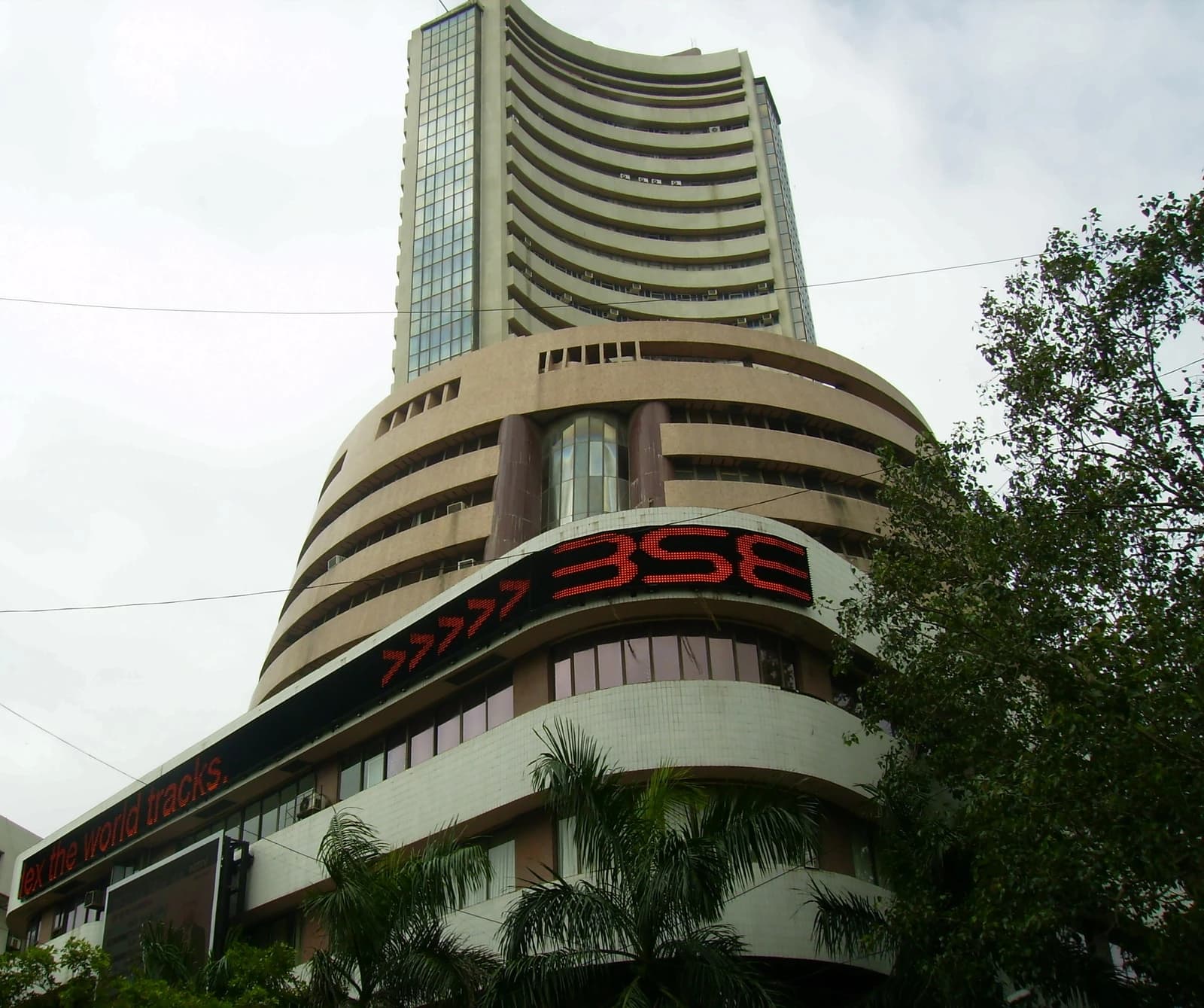
Mumbai’s housing market is still drawing buyers this Diwali, but the time it takes to close a deal is stretching out as geopolitical uncertainty and higher prices make households more cautious about committing.
Mumbai housing buyers take longer to close Diwali deals
That matters because Mumbai is India’s most expensive and liquidity-sensitive residential market, so slower decision-making there is often an early sign that affordability is biting even when footfall remains healthy. Builders can count on festive demand to bring shoppers through the door, but walk-ins alone do not translate into bookings when buyers are weighing job security, financing costs and the risk that prices have run ahead of incomes.
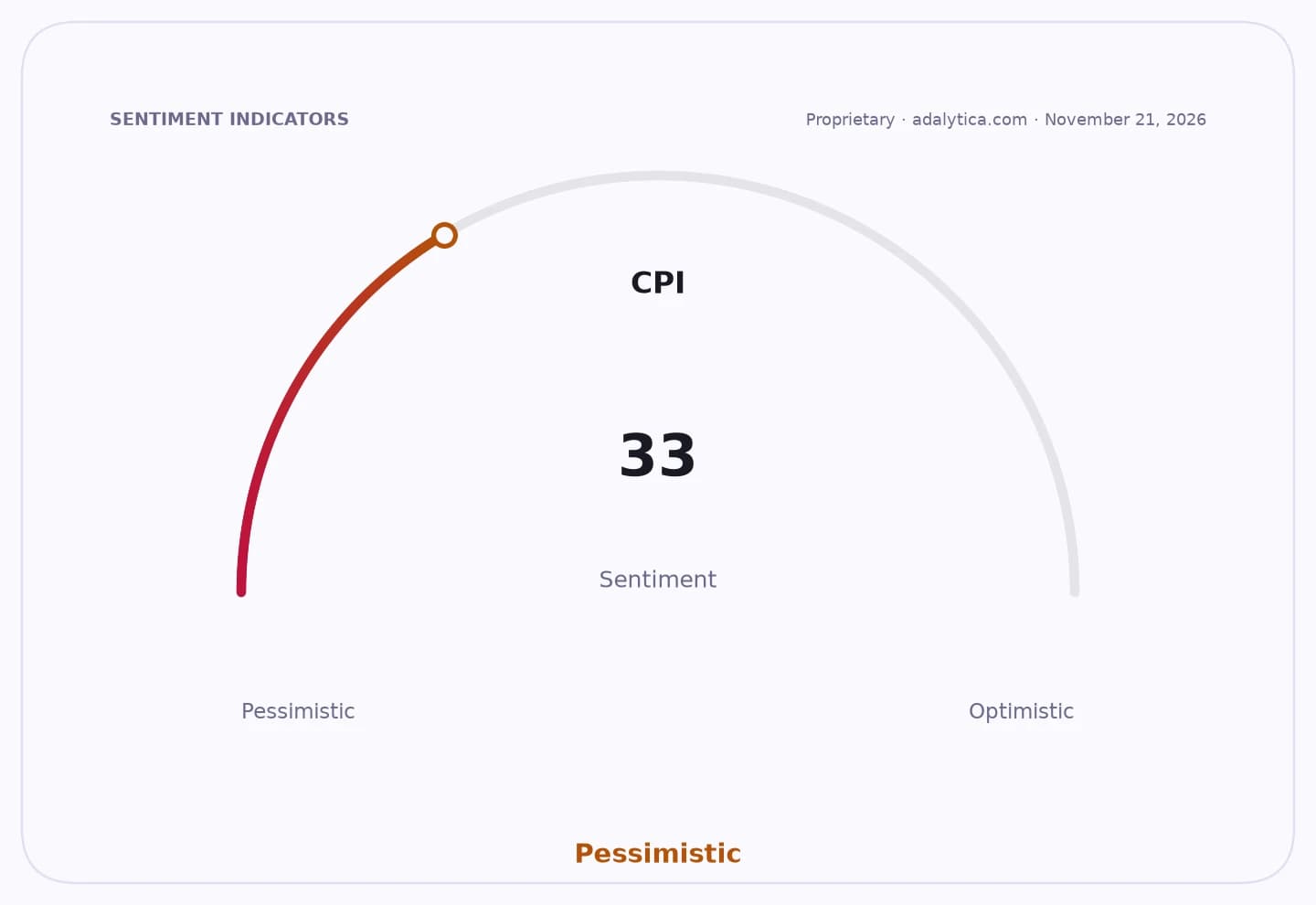
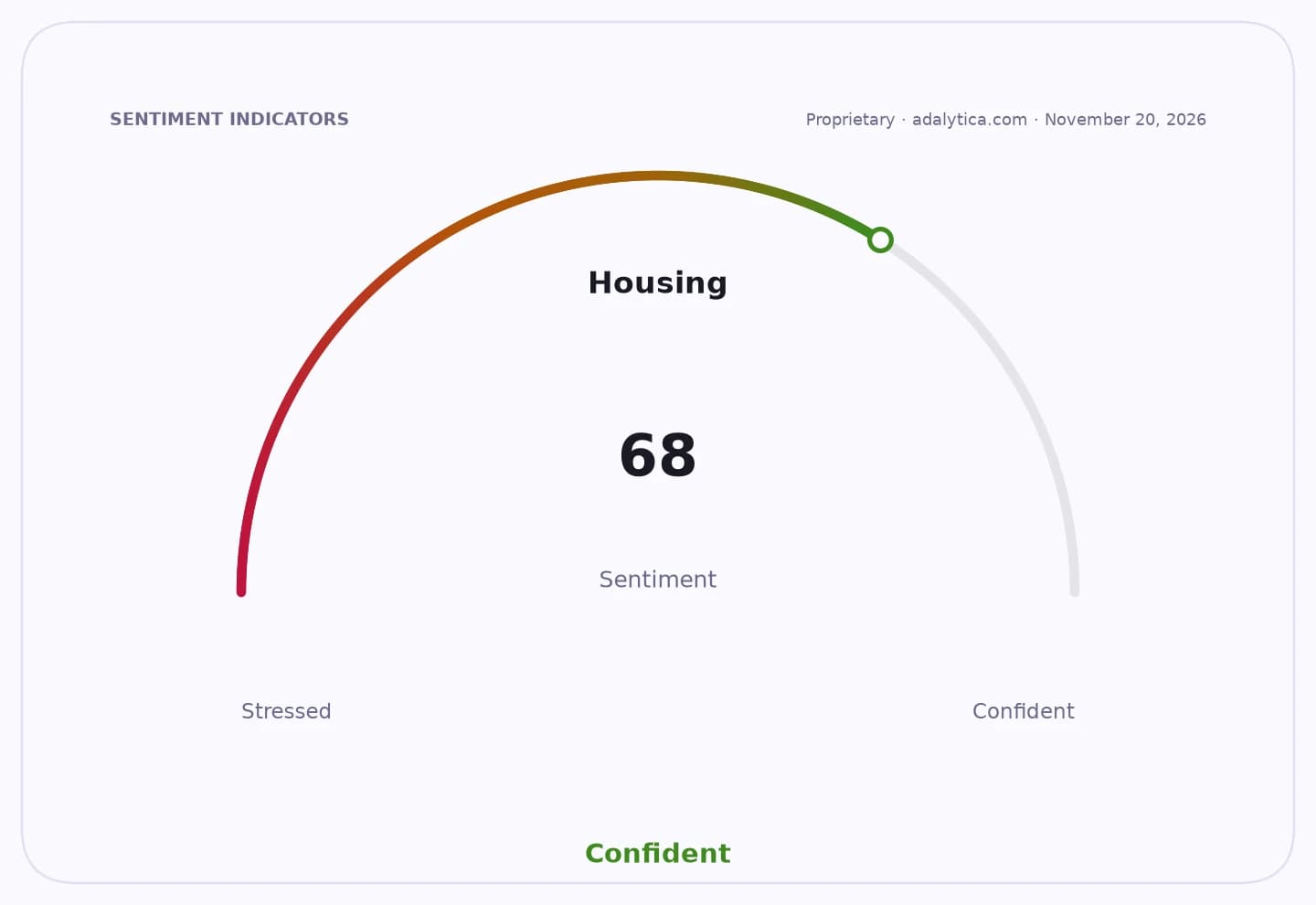
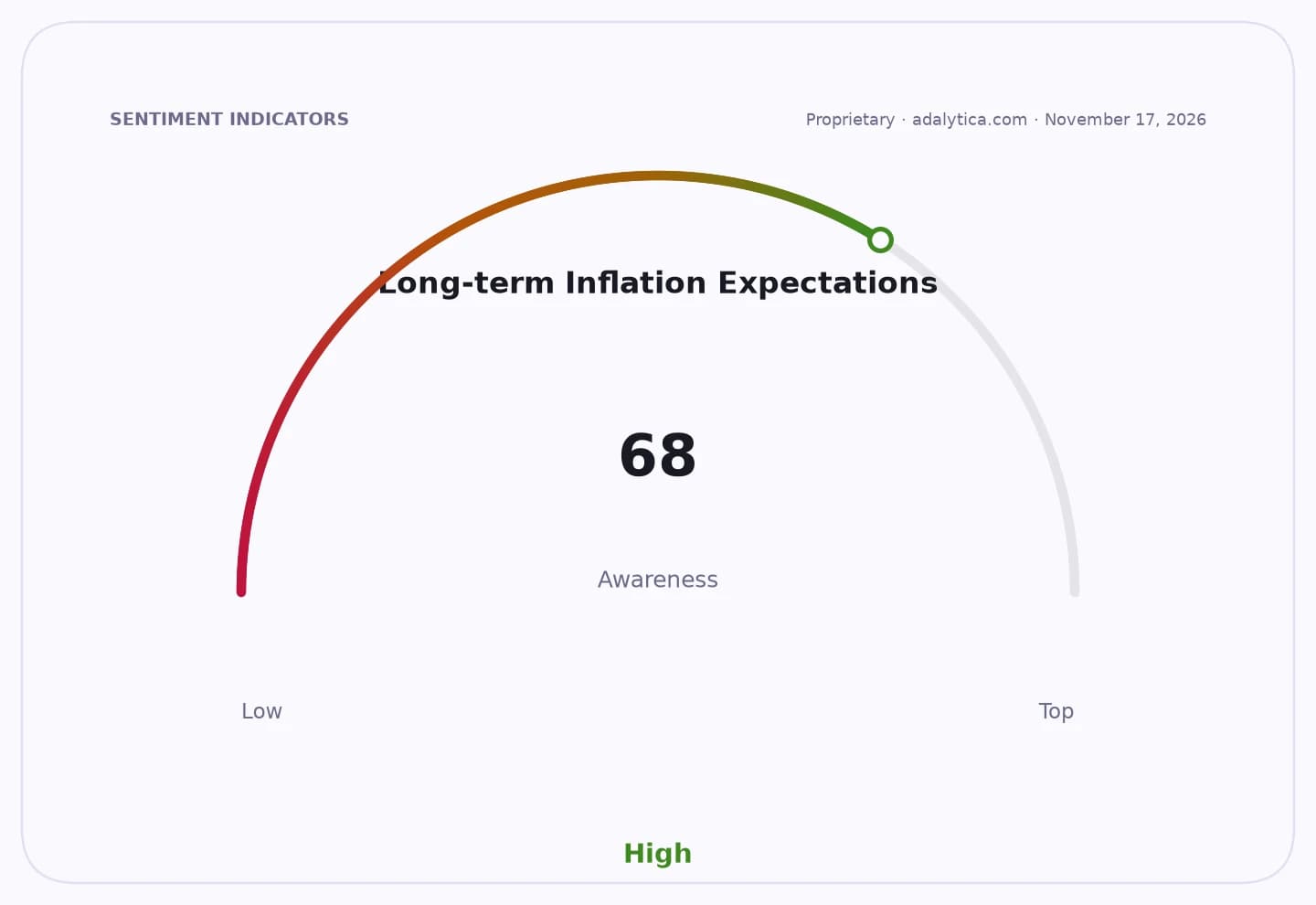
Sentiment Indicators
The latest read-through from brokers and developers is that interest has not vanished; it has simply become more deliberate. In a market where premium apartments have led pricing higher, buyers are taking longer to compare projects, negotiate discounts and wait for clearer visibility on the broader economy. That caution is reinforced by geopolitical tensions, which can unsettle currency, credit and sentiment even if the domestic economy remains on track.
For developers, the implication is straightforward: volume may hold up better than conversion rates. That is a warning sign for margins if companies are forced to lean harder on incentives, staggered payment plans or other sweeteners to close sales before the festival window fades. It also strengthens the case for large, financially disciplined builders with land banks, strong balance sheets and execution leverage over smaller peers that depend on faster inventory turnover.
The macro backdrop makes the hesitation more important, not less. A pricier housing market can stay hot for a while, but when buyers start taking longer to book, the first thing that changes is not necessarily demand — it is pricing power. Investors should watch for whether this Diwali season becomes another example of resilient traffic but slower monetisation, which would favor the best-capitalized developers and leave overleveraged names exposed.
| Entity | Gains | Losses |
|---|---|---|
| Large developers | ▲Better bargaining power over smaller rivals | ▼ |
| Homebuyers | ▲More time to negotiate | ▼Faster price escalation |
| Smaller builders | ▲ | ▼Slower bookings |
| Housing market | ▲ | ▼Lower conversion rates |