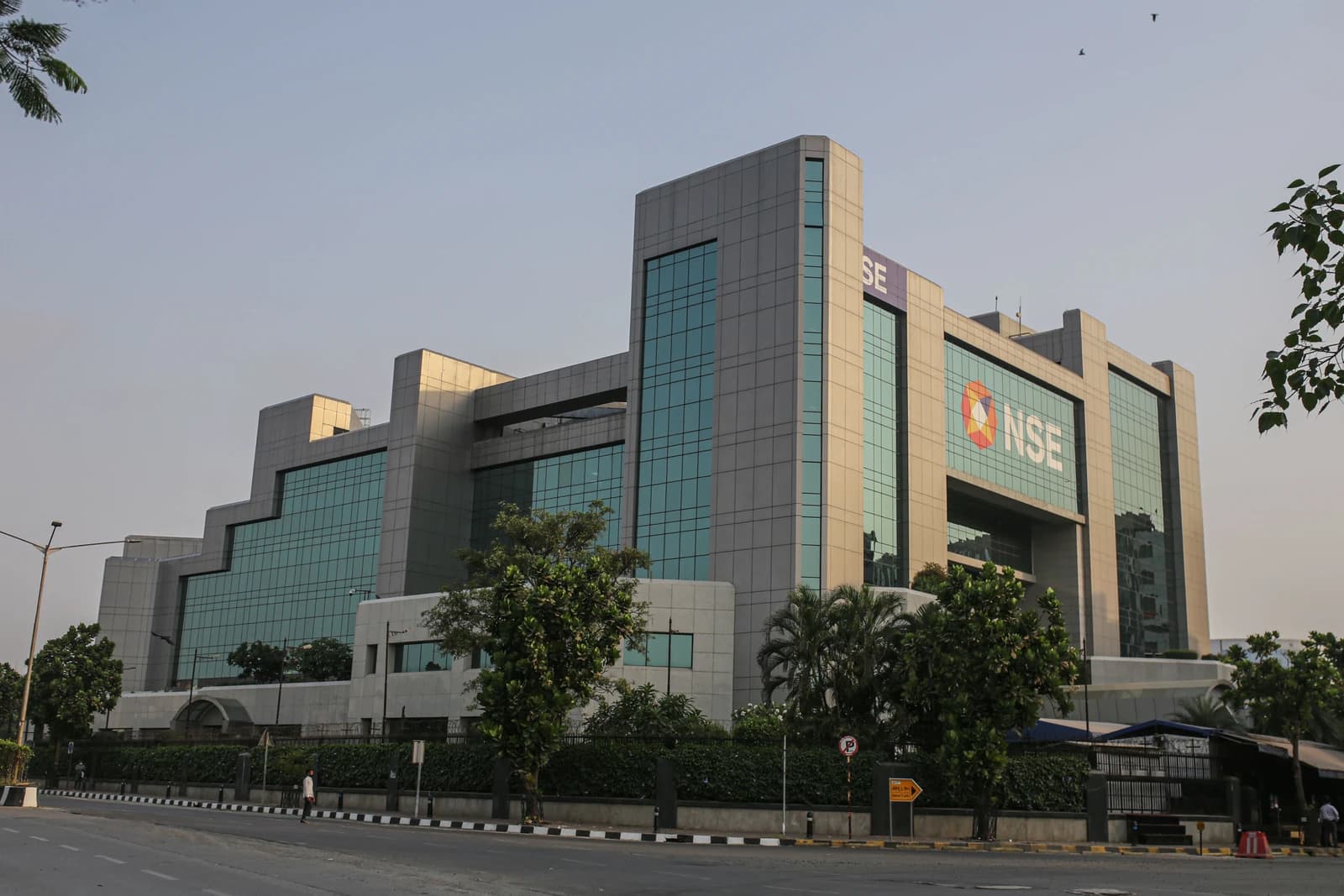
Mumbai’s housing market has pulled ahead of the National Capital Region, and that shift matters because it shows where India’s premium property demand is still strong even as the broader market cools.
Mumbai housing sales beat NCR in H1 2026
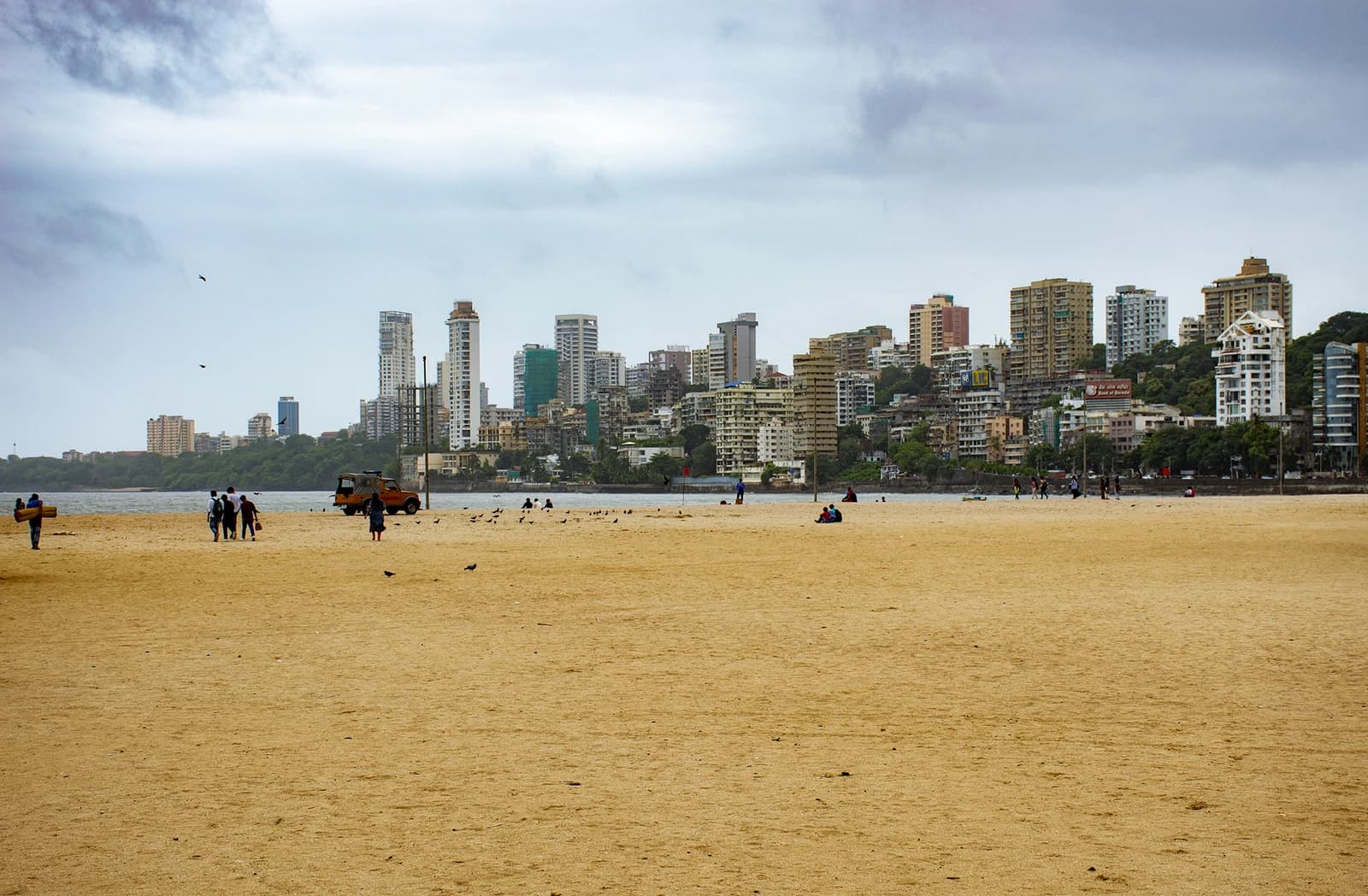
In the first half of 2026, the Mumbai Metropolitan Region accounted for 26% of primary housing sales value across India’s Tier-1 cities, versus 19% for NCR, according to the India Housing Report by NAR and CRE Matrix. MMR generated about ₹93,800 crore in sales, up 8% from a year earlier, with volumes rising 9%. That makes Mumbai not just the largest housing market, but the clearest bellwether for where capital is still flowing in Indian real estate.
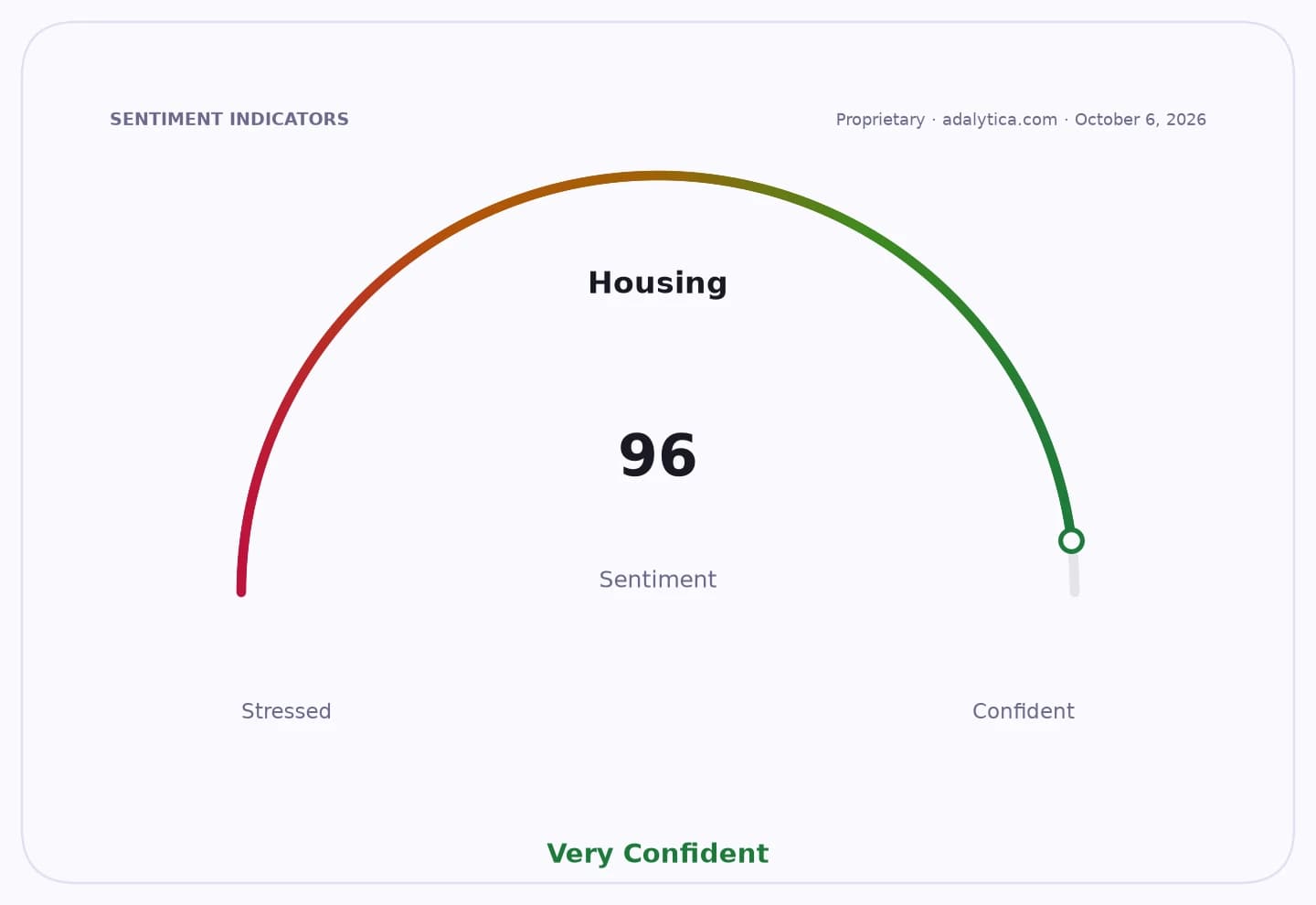
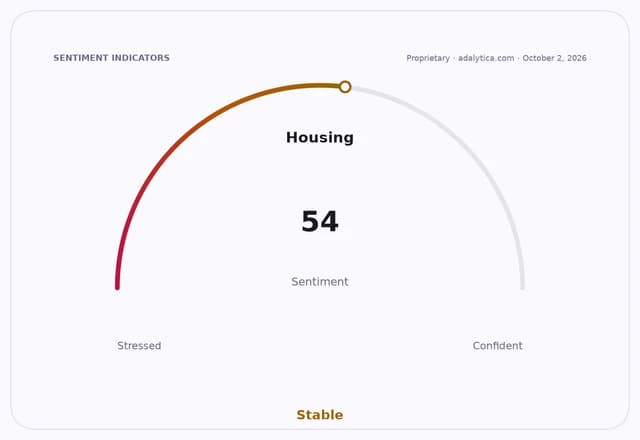
Sentiment IndicatorsⓘProprietary · adalytica.com · October 2, 2026
This is a snapshot — live sentiment, awareness and momentum for 130+ markets update continuously in the dashboard.Open AlphaPulse
The key economic takeaway is that India’s housing cycle is losing momentum at the national level even as quality metros continue to absorb supply. Across Tier-1 cities, primary sales were broadly flat at ₹3.63 lakh crore in H1 2026, while volumes slipped 2% to about 2.58 lakh units. Developers, meanwhile, launched 7% more homes, lifting supply to about 2.98 lakh units. That widening gap between launches and absorption suggests the easy phase of price-led growth is fading, and the next leg will depend more on actual end-user demand than on a simple rise in ticket sizes.
Mumbai is winning because demand remains deep at the top end. Within the city, primary sales value rose 4% to ₹58,362 crore even though volumes were roughly flat at 24,500 units. The average ticket size climbed 4% to a record ₹2.38 crore, and homes priced at ₹5 crore and above made up 40% of value, up from 38% a year earlier. That is a sign of enduring wealth demand, tighter urban supply, and a market that can still pass through pricing even as the broader cycle slows.
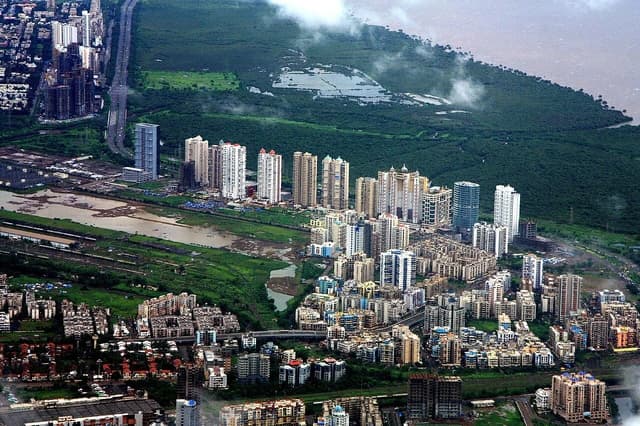
The bigger surprise is the strength outside core Mumbai. Navi Mumbai and Raigad posted a 29% jump in sales value to ₹12,292 crore, with volumes up 20% and launches up 29%. That tells investors the Mumbai housing story is no longer just about South Mumbai luxury or central business district scarcity. It is increasingly a regional growth trade, with infrastructure-linked satellite markets becoming the real engine of expansion.
NCR, by contrast, is showing the strain of a market that may have run too far too fast in the premium segment. Primary sales value fell 24% to ₹68,217 crore, while volumes dropped 9% to 24,600 units. The average ticket size fell 16% to ₹2.77 crore. Gurugram, which had been the standout luxury market, saw sales value slump 33% to ₹37,726 crore even as volumes held up, and the share of homes priced above ₹5 crore fell to 52% from 66% a year earlier. That is a classic sign of normalization after an overheated run-up.
For investors, the implication is straightforward: the market is separating winners from laggards by geography, product mix and pricing power. Developers with exposure to the Mumbai region, particularly those tied to higher-income buyers and infra-led growth corridors, remain better positioned than peers dependent on NCR’s luxury cycle. In listed names, that keeps companies such as Oberoi Realty, DLF and Lodha in focus, but the message is less about chasing momentum and more about owning the areas where absorption is still outrunning fear. Adalytica’s Housing Fear & Greed Index is sitting in extreme fear territory, which reinforces the idea that sentiment is weak even as select markets continue to transact.
The next catalyst will be whether Mumbai can maintain volume growth while NCR stabilizes. If that happens, India’s housing story could shift from a broad price expansion trade to a narrower, better-quality demand cycle centered on the country’s most supply-constrained, wealth-heavy urban markets. For now, the trade is clear: favor Mumbai-linked housing exposure and be selective elsewhere.
| Entity | Gains | Losses |
|---|---|---|
| MMR developers | ▲Stronger pricing and sales | ▼ |
| NCR developers | ▲ | ▼Falling premium demand |
| Mumbai-linked listed realtors | ▲Relative earnings support | ▼ |
| Homebuyers in prime Mumbai | ▲More product depth | ▼Higher ticket sizes |