The naira weakened again at the official foreign-exchange market, underscoring how persistent dollar demand and thin liquidity continue to erode confidence in Nigeria’s currency.
Naira slips to 1,364.20 as dollar demand stays high

The USD/NGN rate closed at 1,364.20 on Aug. 1, slipping from 1,363.74 a day earlier and extending a broader pattern of instability. While the latest move was small, it adds to the larger economic concern: repeated depreciation raises import costs, feeds inflation pressure and complicates policy efforts to restore price stability.
The currency has been volatile for months, with the pair trading as low as 1,339.50 in February and as high as 1,518.73 in late August before settling back into the mid-1,300s more recently. That range highlights how exposed the naira remains to shifts in foreign inflows, import demand and central bank intervention.
Technical indicators also point to a fragile tone. The RSI reading of 28.0 suggests the currency is near oversold territory, while the price remains below both the 50-day and 200-day moving averages, a sign the broader trend still leans weaker. Conventional Bollinger Band levels show the rate sitting close to the lower end of its recent range.

For investors, the currency’s direction matters well beyond the FX market. A weaker naira can support exporters and companies earning foreign revenue, but it hurts import-dependent businesses, raises hedging costs and can weigh on banks, consumer stocks and government debt sentiment if depreciation expectations become entrenched.
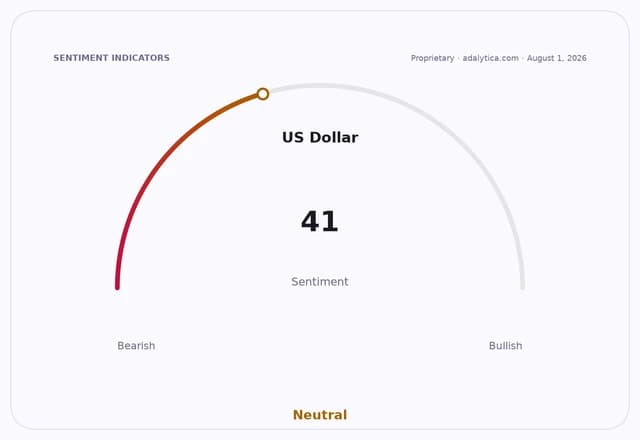
Adalytica’s US dollar trade signals were neutral at 41, while FX volatility signals stayed elevated at 61, suggesting traders still expect sharp moves even if dollar sentiment has cooled. The next key test for the naira will be whether dollar supply improves enough to slow depreciation and whether policymakers can stabilize the official market without allowing a fresh gap to open with other FX channels.
| Entity | Gains | Losses |
|---|---|---|
| Dollar holders | ▲Preserve value | ▼Naira weakness fades |
| Importers | ▲— | ▼Higher costs, thinner margins |
| Exporters | ▲Better naira receipts | ▼— |
| Nigerian consumers | ▲— | ▼More inflation pressure |