Europe’s failure to deter Russia’s hybrid attacks is forcing NATO capitals to confront a more costly and ambiguous security problem: how to respond when Moscow stays below the level that would trigger a conventional military reply.
NATO Faces Russia Hybrid Attacks and Security Spending

Officials speaking to the Financial Times said Russia has refined a “below the threshold” playbook that combines deniable sabotage, cyberattacks, disinformation, arson and attacks on infrastructure such as undersea cables. The concern is not just that these operations are multiplying, but that they are exposing a gap in NATO’s deterrence model, which was built to stop tanks and missiles, not persistent gray-zone pressure designed to avoid Article 5 tripwires.

That matters economically because hybrid attacks can disrupt logistics, raise insurance costs, pressure critical infrastructure spending and force governments to divert budget from growth-supporting priorities into security, surveillance and resilience. For Europe, the timing is awkward: officials warned the next wave of activity could coincide with elections in France, Italy and Poland, increasing the chance that political interference and street-level sabotage feed broader instability. The risk is less of immediate war than of a slow erosion of confidence in Europe’s infrastructure, institutions and border security.
The reported Leipzig airport incident has become a focal point. Officials described it as a “turning point” that showed existing deterrence was not enough and underscored how cheaply Russia can impose costs. One Western defense official told the FT it was “completely clear” that Europe was not doing enough to deter provocations below the Article 5 threshold, even if current deterrence remains sufficient to prevent a conventional or nuclear escalation.
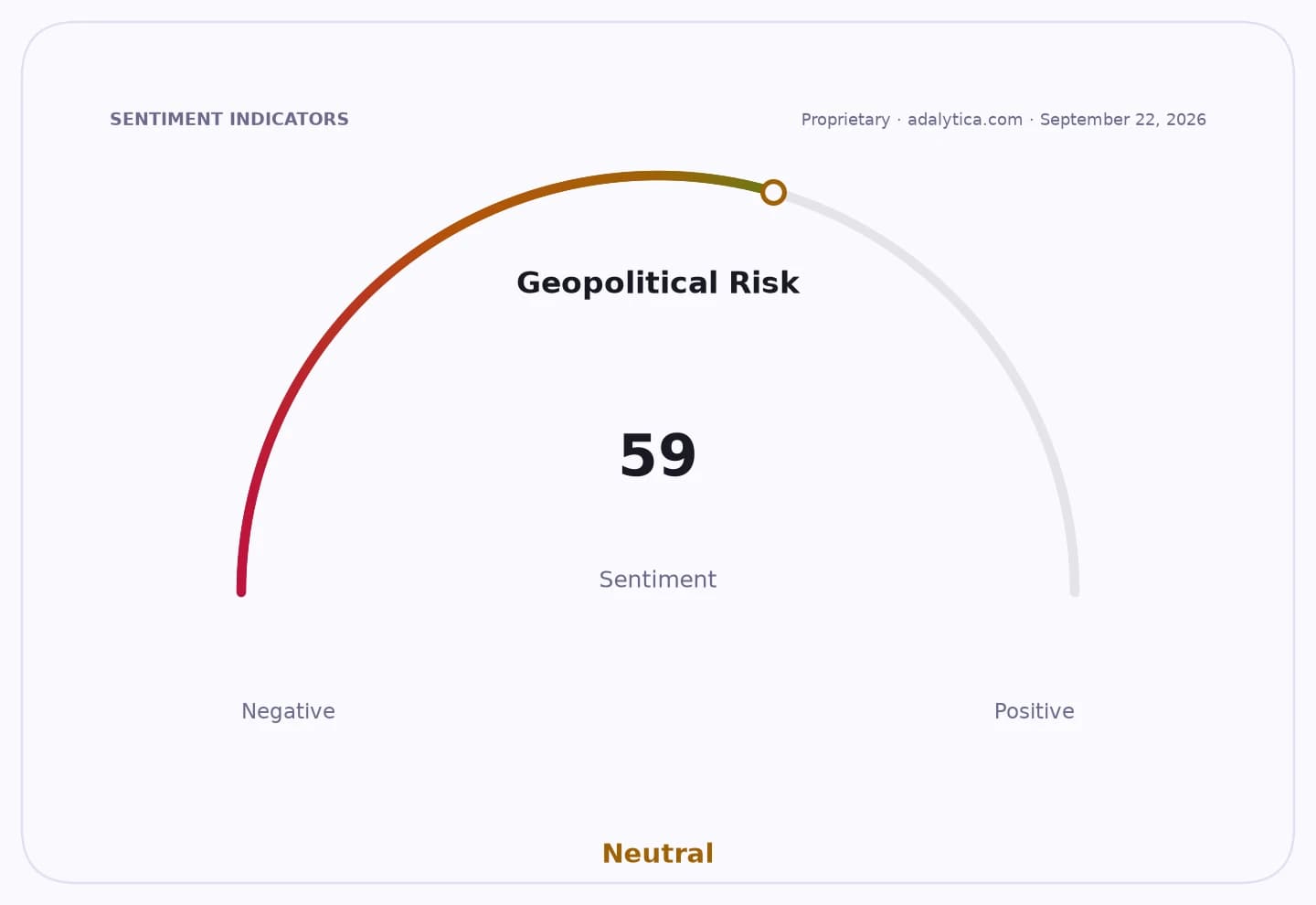
Geopolitical Risk vs LMTadalytica.com
Explore this data interactively — full history, time series and cross-market comparisons.Open AlphaPulse
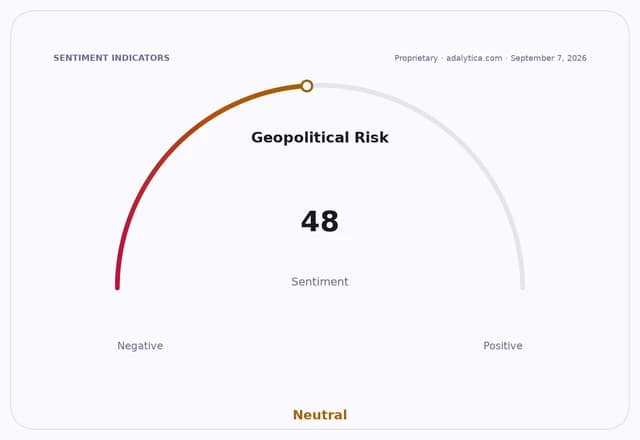
That distinction helps explain why investors are watching defense contractors, cybersecurity firms and infrastructure security providers. The market has already rewarded names tied to higher geopolitical risk, but the latest headlines reinforce a structural bull case for sustained European spending on air defense, surveillance, intelligence, cyber resilience and base protection. The corollary is that any retreat in U.S. political commitment to NATO would likely accelerate the burden shift onto Europe, creating a longer procurement runway for contractors exposed to allied rearmament.
Shares in major U.S. defense groups have remained underpinned by that theme, even as broader market moves have been choppy. Lockheed Martin, Northrop Grumman and RTX all sit well above longer-term technical support levels in the recent trading data, though momentum has cooled from earlier highs. RTX and Northrop have both fallen back from overbought conditions, with recent relative strength index readings near 22, while Lockheed has also slipped back toward its 50- and 200-day moving averages. That suggests investors still like the sector’s strategic setup, but are becoming more selective on valuation and execution.
The policy complication is Washington. Trump has played down the danger that Putin will attack NATO territory, a view that weakens the signal from allied governments trying to build a harder response to deniable operations. At the same time, European intelligence agencies are said to be preparing for more nuisance-style attacks that are harder to attribute and easier for Moscow to dismiss. That leaves NATO facing a central strategic question: whether to tolerate repeated gray-zone incursions or redefine what counts as an intolerable act.
For investors, the key takeaway is that hybrid warfare is no longer a backdrop to Europe’s security debate; it is becoming the front line. The stronger the case for persistent Russian sub-threshold pressure, the firmer the outlook for defense modernization, cyber hardening and border-security spending. The main risk is that without a clearer allied response, Russia learns that the cheapest way to weaken NATO is not to attack it openly, but to keep punishing it just enough to stay below the line.
| Entity | Gains | Losses |
|---|---|---|
| NATO defense contractors | ▲Higher procurement demand | ▼Price/valuation volatility |
| European governments | ▲Urgency for security spending | ▼Budget flexibility |
| Russia | ▲Deniable disruption | ▼Sanctions and blowback |
| Civil infrastructure operators | ▲Resilience investment | ▼Higher security costs |