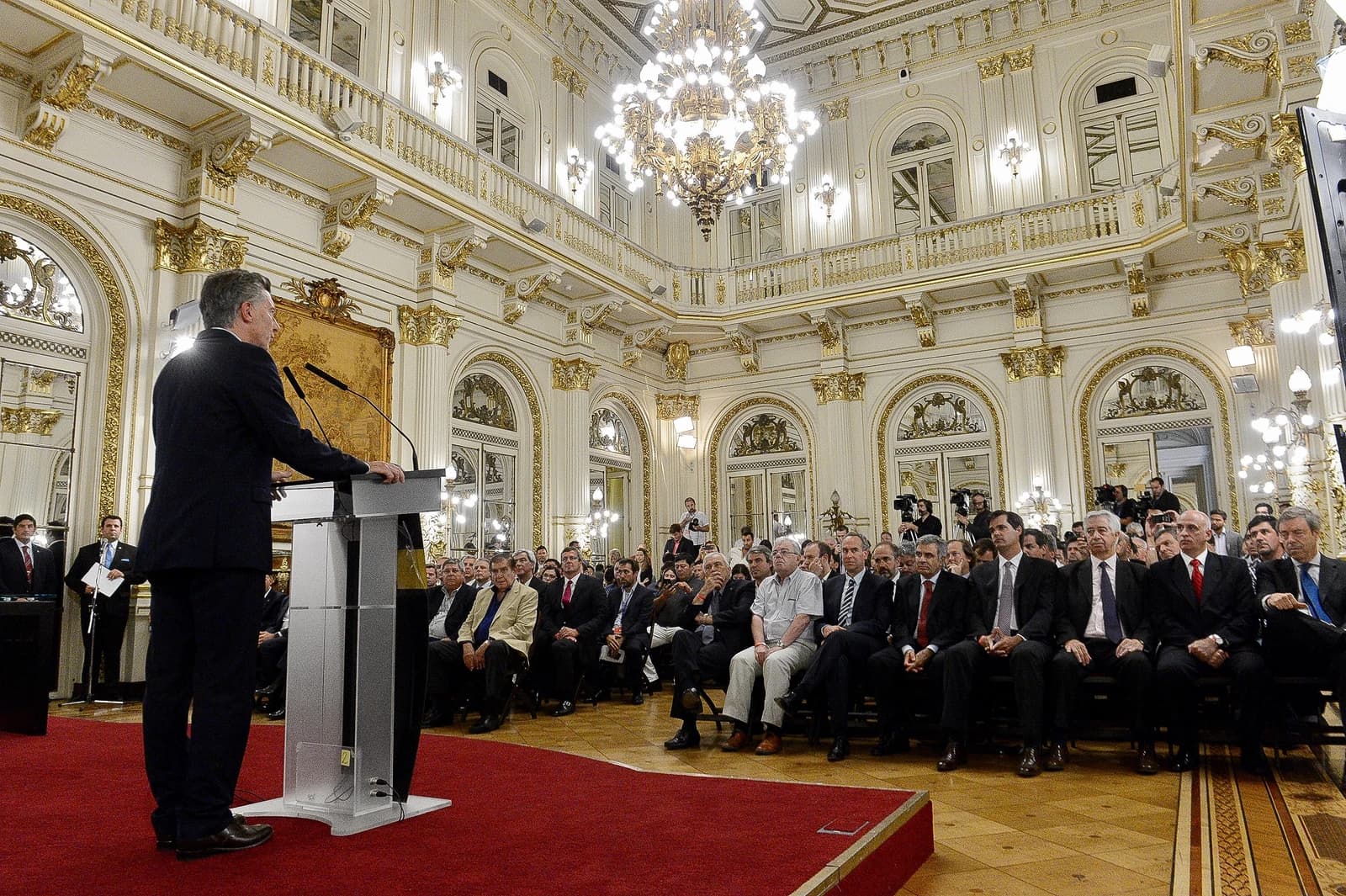
The Russian Foreign Ministry’s rejection of NATO statements casting Russia as the alliance’s main long-term threat has turned a familiar diplomatic clash into a sharper warning for Europe’s economy: the continent’s security standoff is becoming a structural cost, not a temporary crisis.
NATO-Russia Tension Raises Europe Risk Premium

Moscow accused NATO of using the “Russian threat” as a pretext to prepare for armed conflict and to justify deeper support for Kyiv, after the alliance reaffirmed Russia as its central strategic challenge. The ministry’s response matters because it signals that neither side is merely managing rhetoric around the Ukraine war. Both are hardening assumptions that will shape defense budgets, sanctions policy, energy security and investor risk pricing for years.
Sentiment Indicators
For governments, the economic implications are immediate. A NATO strategy built around a persistent Russian threat means higher military spending, more procurement of air defense and ammunition, and larger fiscal trade-offs at a time when European states are already balancing weak growth, costly debt service and pressure to protect households from inflation. For Russia, the counter-narrative reinforces a wartime economic posture in which security priorities dominate public spending and relations with Western markets remain largely severed.
The dispute also raises the geopolitical risk premium embedded in European assets. Adalytica.com’s proprietary Global Stability Sentiment gauge is at 4, a level it labels “Extreme Fear,” down 48 points over seven days and 66 points over 30 days. Awareness is neutral, suggesting the market conversation has not yet reached panic levels, but the direction of the signal points to a rapid deterioration in perceived stability.
Global Stability Sentiment — 30-day sentimentadalytica.com
Explore this data interactively — full history, time series and cross-market comparisons.
Investors tend to treat such confrontations through several channels: defense equities, energy prices, currencies and sovereign debt. Defense contractors and cybersecurity firms are likely to remain supported if NATO members accelerate rearmament. Energy markets are more exposed to escalation risk, especially if military posturing threatens infrastructure, shipping routes or remaining channels of Russian supply. European currencies and bonds may face pressure if the security burden adds to fiscal deficits or drags business confidence lower.
NATO’s position reflects the alliance’s strategic recalibration since Russia’s invasion of Ukraine, with Western officials including Mark Rutte and U.S. Secretary of State Antony Blinken backing continued support for Kyiv and a tougher posture toward Moscow. Russia’s Foreign Ministry framed that policy as escalation, saying the alliance is seeking to weaken Russia while hiding behind allegations of a Russian threat. It also alleged NATO intends to covertly address terrorist activity linked to Kyiv, a claim that further widens the gulf between the two sides’ accounts of the conflict.
The economic danger is not only a sudden military rupture, but normalization of confrontation. If NATO and Russia each define the other as a long-term adversary, businesses must plan around disrupted trade, export controls, higher insurance costs and political scrutiny of cross-border exposure. That is especially important for European manufacturers, utilities, banks and logistics companies whose supply chains and financing costs are sensitive to geopolitical shocks.
The market winners and losers are already becoming clearer. Higher defense outlays support arms makers and suppliers of dual-use technology. Import-dependent industries, consumers and governments carry more of the cost through higher taxes, dearer energy security and potentially weaker investment. Russia faces continued isolation from Western capital and technology, but also uses the confrontation to justify deeper state direction of its economy.
The next phase will hinge on whether the rhetoric remains a controlled signal or becomes policy momentum: more troops near borders, more sanctions, more arms deliveries and more fiscal commitments. For investors, the key question is no longer whether NATO-Russia tension fades with the next diplomatic exchange, but how much of Europe’s economic future must be priced around a prolonged security confrontation.
| Entity | Gains | Losses |
|---|---|---|
| NATO defense contractors | ▲Larger procurement pipelines | ▼Supply-chain strain |
| European governments | ▲Stronger deterrence posture | ▼Higher fiscal pressure |
| Russia | ▲Domestic security narrative | ▼Deeper economic isolation |
| Energy importers | ▲Diversification incentive | ▼Higher risk premium |