Natural gas prices are climbing again, and the move is starting to feed through to power costs, LPG prices and trading sentiment across the energy complex.
Natural Gas Prices Rise, Boosting UNG and BOIL

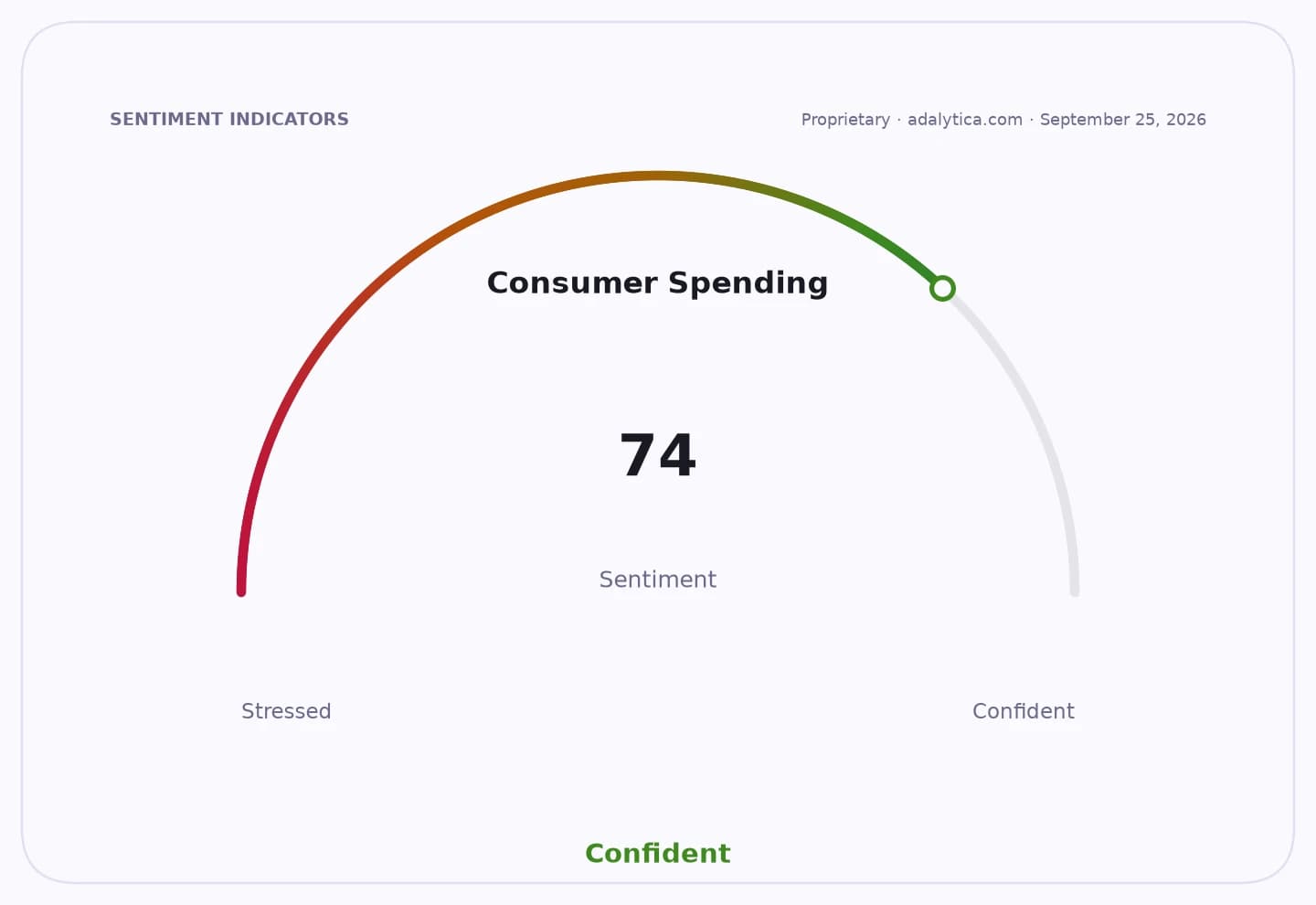
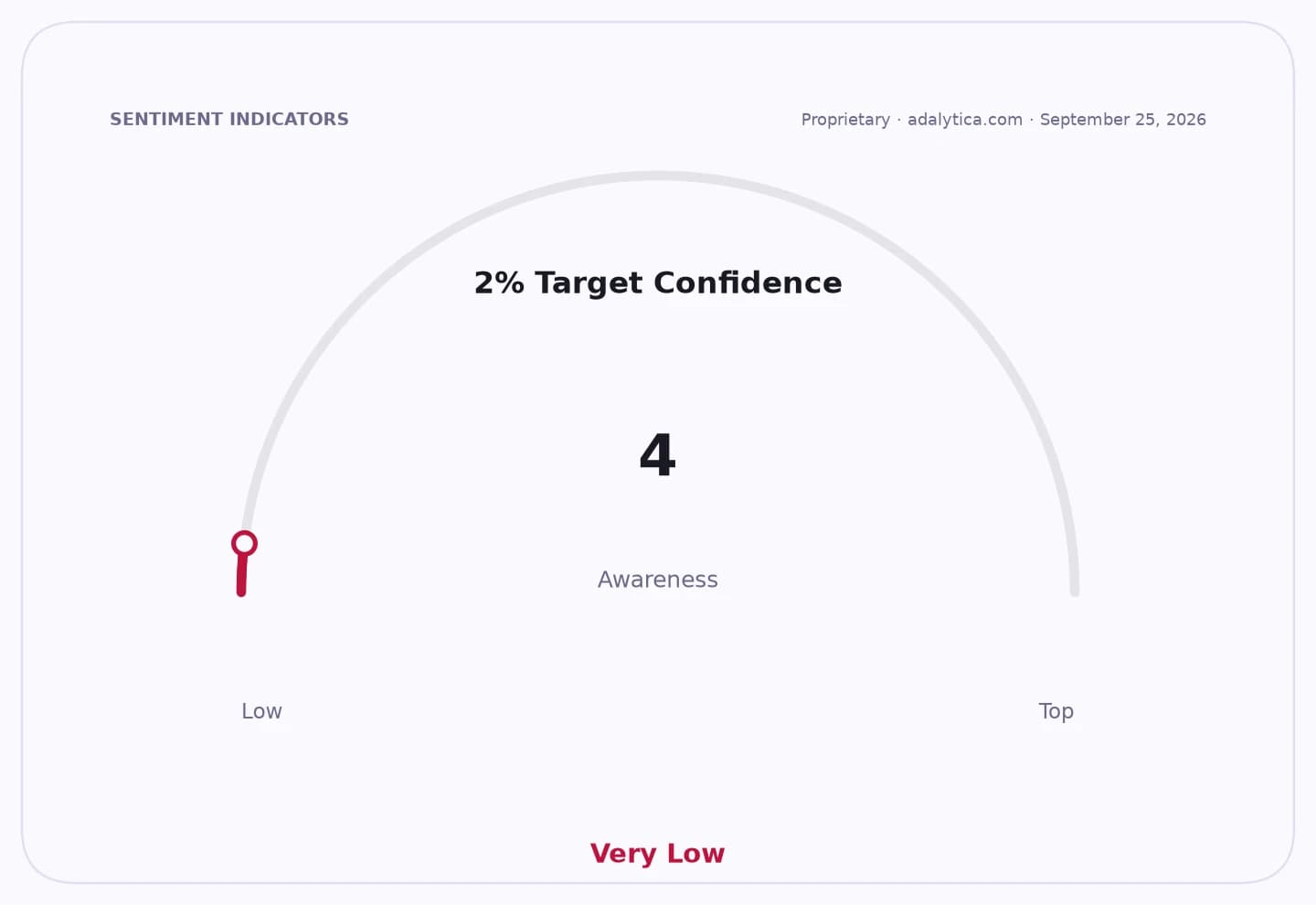
The clearest market signal is in U.S. natural gas-linked products, where the sector has turned sharply firmer over the past few days. The Bloomberg-style benchmark implied by the data points to gas rising to about 87.05 on Aug. 12, while the UNG exchange-traded fund has recovered to $9.98 after trading as low as $9.83 on Aug. 17, and the leveraged BOIL fund is still elevated at $19.26. Adalytica’s natural gas trade signals show sentiment at 84, or “Greed,” with a 22% gain over seven days and 50% over 30 days, underscoring how quickly the market has shifted toward a bullish posture.
Sentiment IndicatorsⓘProprietary · adalytica.com · August 18, 2026
This is a snapshot — live sentiment, awareness and momentum for 130+ markets update continuously in the dashboard.Open AlphaPulse

That matters because gas is not just a fuel-price story, it is a broad inflation and margins story. Higher gas prices flow straight into household heating, industrial feedstock costs and electricity generation, especially for utilities with heavy exposure to fuel pass-through. Recent SEC filings from U.S. producers and utilities point to the same dynamic: companies including EQT, ConocoPhillips, Exxon Mobil, Duke Energy and CenterPoint all flag commodity-price volatility as a material risk, while utilities note higher fuel costs when gas rises. For consumers, the effect is visible in local retail markets. In the news context, AZiD stations are selling fuel below purchase cost even as spot gas surged to 17,186 lira, while Aygaz kitchen-cylinder prices in Bursa have risen by 305 lira since the start of the year and are nearing 1,500 lira.
The latest price moves also highlight a familiar split between winners and losers. Upstream producers and gas-linked traders gain from firmer pricing, while retailers, utilities and end users absorb the squeeze. The fact that BOIL is still trading far above UNG shows how leveraged products can magnify the upside — and the downside — when gas starts moving. By contrast, KOLD, the bearish inverse fund, has fallen back to $30.55 after touching $31.50 on Aug. 17, suggesting short positioning is being pressured as the market firms.
The broader macro backdrop is not especially supportive for a sustained supply shock narrative, which is why investors are likely to focus on weather, storage and policy as the next catalysts. CPI and core CPI sentiment in the Adalytica gauge are both running hot, reinforcing the market’s sensitivity to energy-driven inflation. If gas prices keep rising, the implications would extend beyond commodity traders to rate expectations, utility earnings and consumer purchasing power. If the move fades, leveraged longs are likely to unwind quickly.
| Entity | Gains | Losses |
|---|---|---|
| Gas producers | ▲Higher realized prices | ▼Exposure hedges may cap upside |
| Utilities and retailers | ▲Pass-through recovery, if allowed | ▼Fuel and procurement costs |
| Consumers and industrial buyers | ▲Lower input costs if prices retreat | ▼Higher heating and feedstock bills |
| UNG/BOIL longs | ▲Momentum from firmer gas | ▼Volatility if rally reverses |