Rubber prices are climbing because the market is running into a classic squeeze: demand is improving just as inventories fall and supply risks rise. TSR20, a key benchmark for natural rubber, gained 2.7% to $2,470 a ton, its highest level in a week, and the move matters because rubber sits at the heart of tire manufacturing, transport costs and industrial production across Asia.
Natural Rubber Prices Rise on Tight Supply

For investors, the bigger story is not just a one-day price pop. It is the growing risk that natural rubber could stay firm for longer if the supply gap widens. That would be supportive for growers and exporters, but it raises costs for tire makers and other downstream users that are already operating on thin margins. In markets where input costs can move quickly through supply chains, a tighter rubber market can change profit expectations fast.
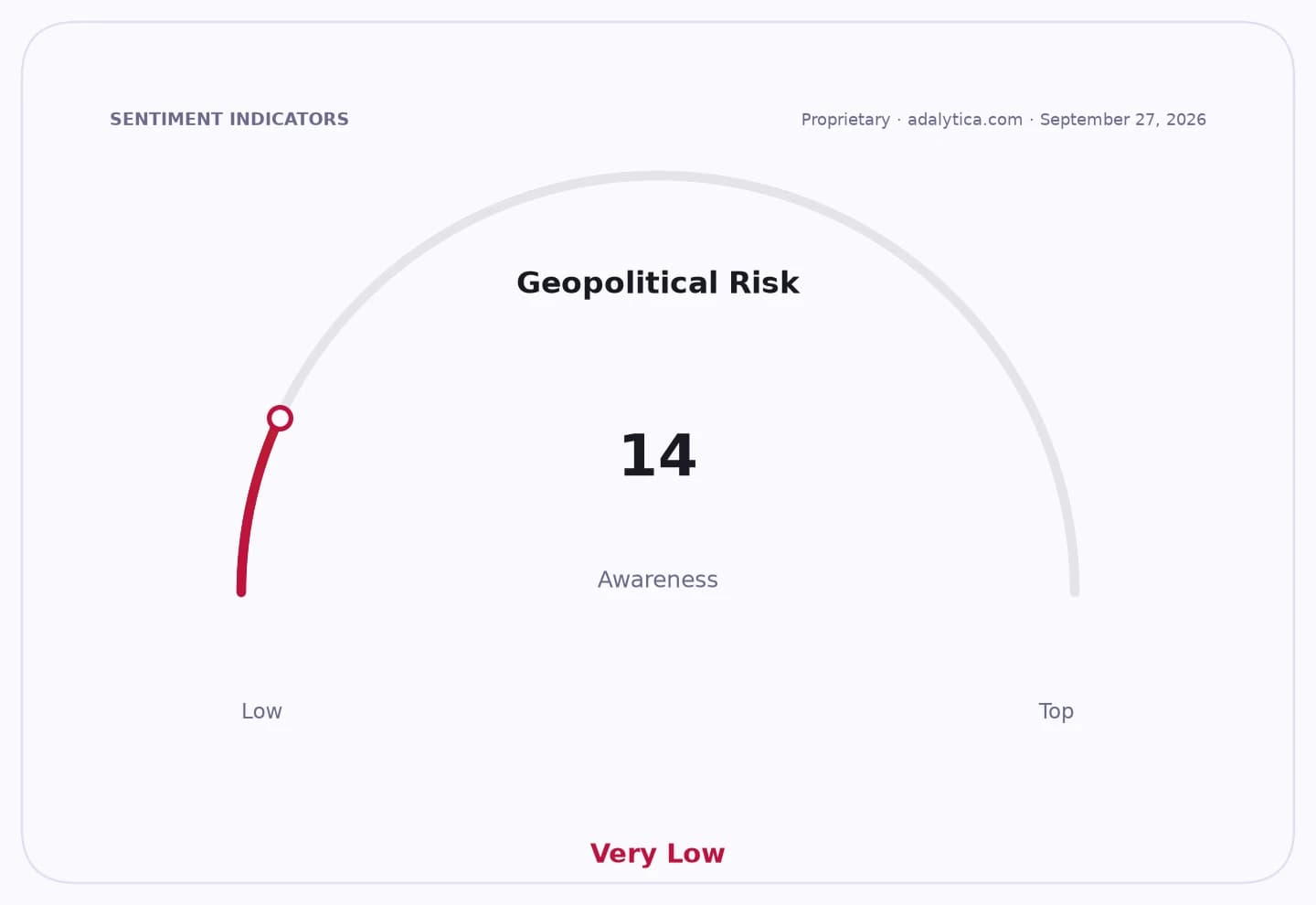
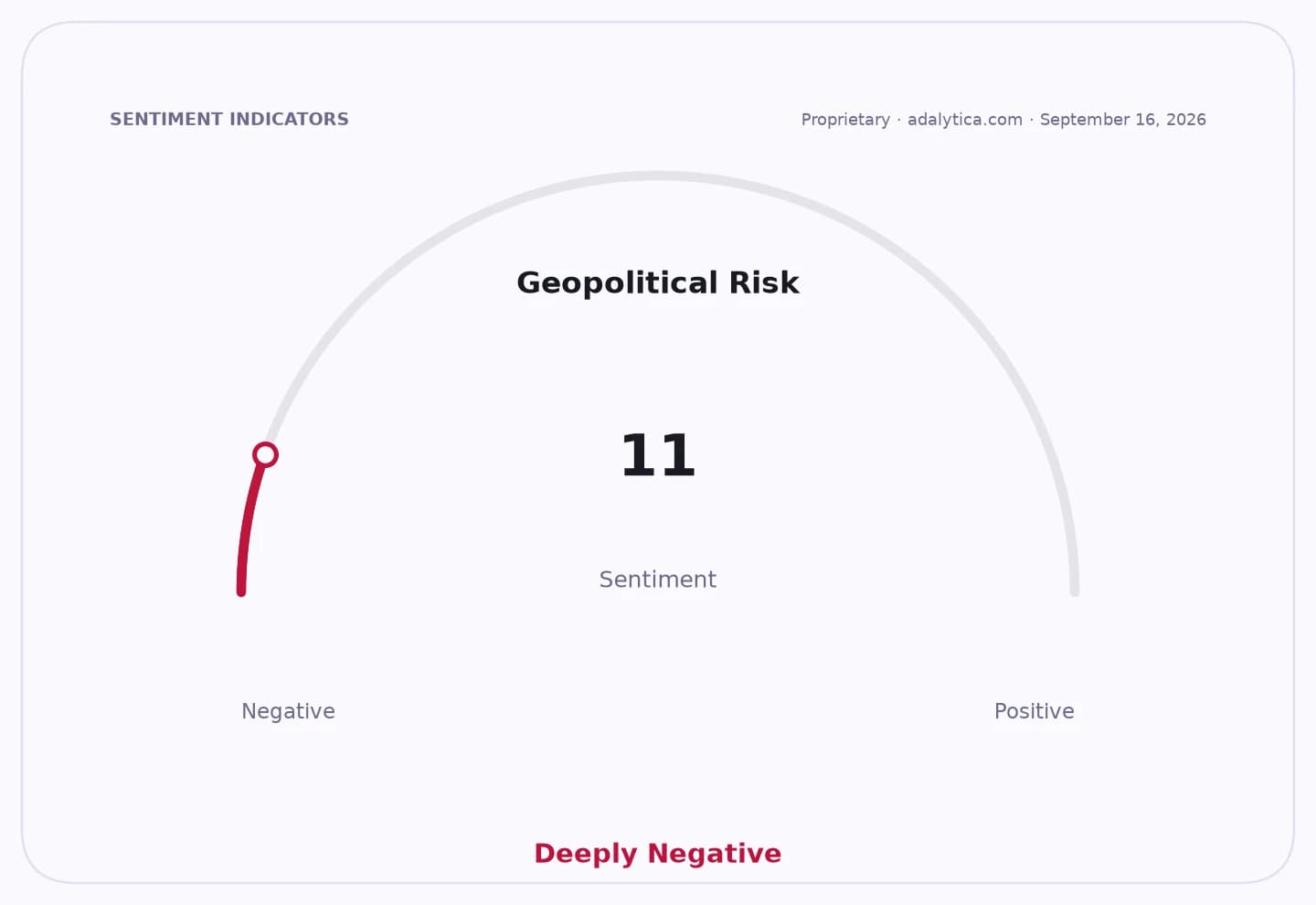
Sentiment IndicatorsⓘProprietary · adalytica.com · September 29, 2026
This is a snapshot — live sentiment, awareness and momentum for 130+ markets update continuously in the dashboard.Open AlphaPulse
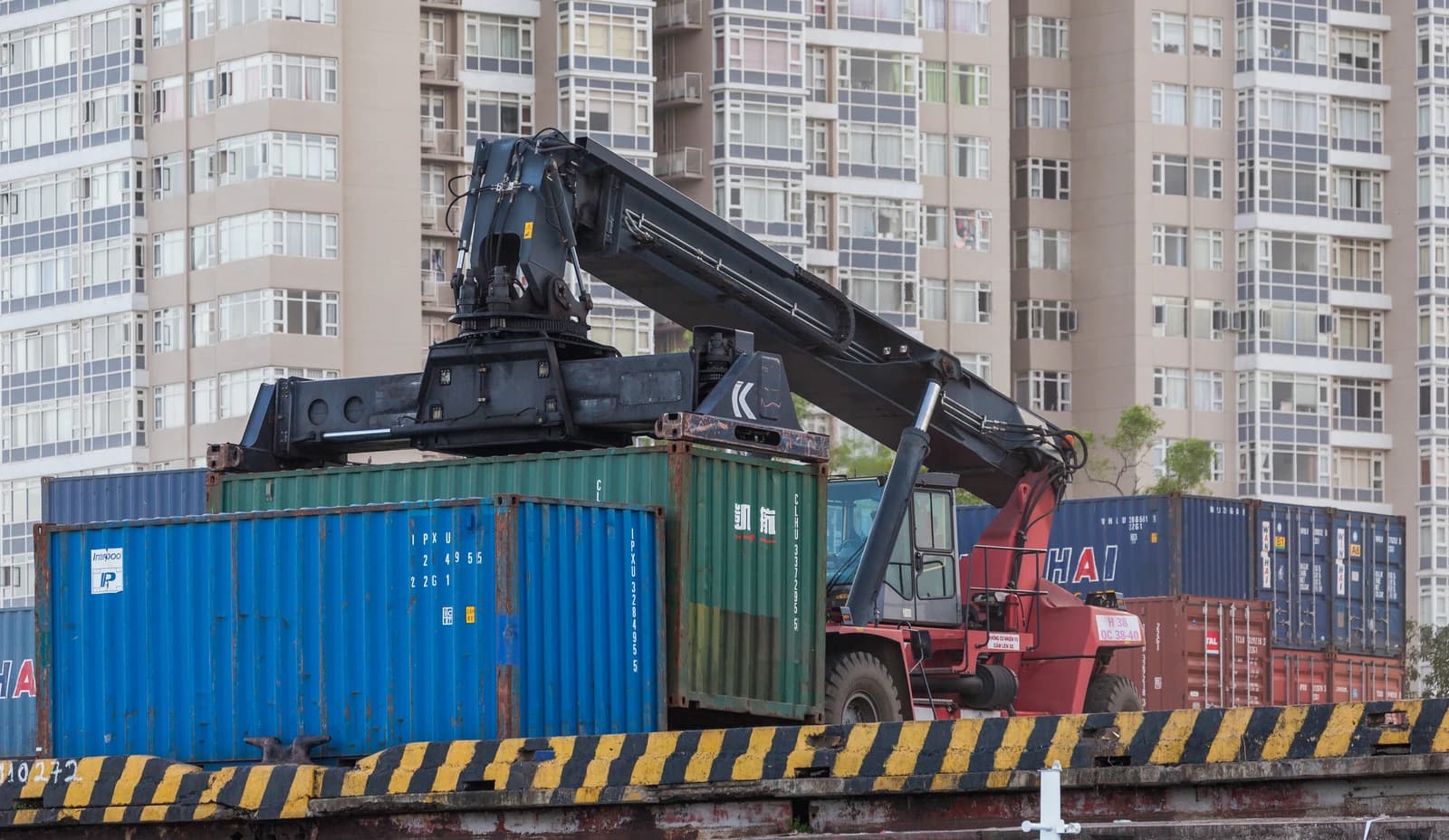
China is doing much of the heavy lifting on the demand side. Tire factories there have been buying ahead of the National Day and Mid-Autumn holidays in early October, a seasonal restocking pattern that can give prices a short-term lift even when operating rates remain subdued. The fact that the industry is still running with weak margins shows how sensitive the market is: even modest buying can move prices when supplies are already tight.
Inventories are reinforcing the rally. Natural rubber stocks in Qingdao, one of the key trading hubs, fell to 585,400 tons as of Sept. 20, down 17,800 tons, or 2.96%, from the prior period. Lower visible stocks tend to matter because they limit the buffer traders and factories can rely on if shipments slow or buying accelerates again.
The supply side looks even more important over a longer horizon. Unusual weather in Southeast Asia, including heavy rain in some months and drought in others linked to El Nino, has cut into tapping and raw material output. At the same time, aging trees are reducing production capacity. MXV estimates that exports from Thailand, Indonesia and Vietnam fell by nearly 15% in the first seven months of the year, underscoring how broad the strain has become.
The market is also getting support from the energy complex. Higher oil prices, driven in part by geopolitical tension, are raising petrochemical costs and pressuring butadiene supplies, a key ingredient for synthetic rubber. That can push downstream users toward natural rubber instead, increasing demand for TSR20 and tightening the market further. In other words, what starts as an oil story can quickly become a rubber story.
The forward view is still constructive for producers. The Association of Natural Rubber Producing Countries sees global output at 15.32 million tons in 2026 versus consumption of 15.6 million tons, implying a shortage of 280,000 tons. That kind of imbalance does not guarantee a straight-line rally, but it does suggest the market has room to stay firm if Chinese buying holds up and weather keeps biting.
There are some near-term wrinkles. Japan’s OSE market was shut for the Silver Week holiday, so SHFE and SGX prices have been the main reference points in Asia. When OSE reopens, currency moves in the yen and the still-strong U.S. dollar could influence cross-market pricing. Even so, the underlying message is clear: rubber is no longer trading like an abundant commodity.
For long-term investors, the takeaway is simple. Tighter rubber supplies tend to favor producers and exporters, while tire makers and other buyers face higher input costs. That makes natural rubber worth watching as both a commodity trend and a margin story, especially if supply disruptions persist into 2026.
| Entity | Gains | Losses |
|---|---|---|
| Rubber producers | ▲Higher selling prices | ▼More volatility |
| Tire makers | ▲Possible inventory hedging gains | ▼Higher raw material costs |
| Exporters in Thailand, Indonesia, Vietnam | ▲Stronger pricing power | ▼Lower export volumes |
| Natural rubber buyers | ▲Supply security if stocked early | ▼Margin pressure |